
Why Construction Projects Need Specialized Insurance Protection
Builders insurance companies provide essential coverage that protects construction projects from financial disaster. With half of construction ventures failing and inadequate insurance coverage often being the final blow to property owners and developers, choosing the right protection is critical for any building project.
When selecting from the many builders insurance companies, it’s crucial to look for providers with deep industry experience and a proven track record. The best companies offer comprehensive, customizable coverage that can be custom to the specific risks of your project, whether it’s a large-scale commercial build or a detailed residential renovation. They understand the nuances of construction, from protecting materials in transit to covering the soft costs associated with project delays.
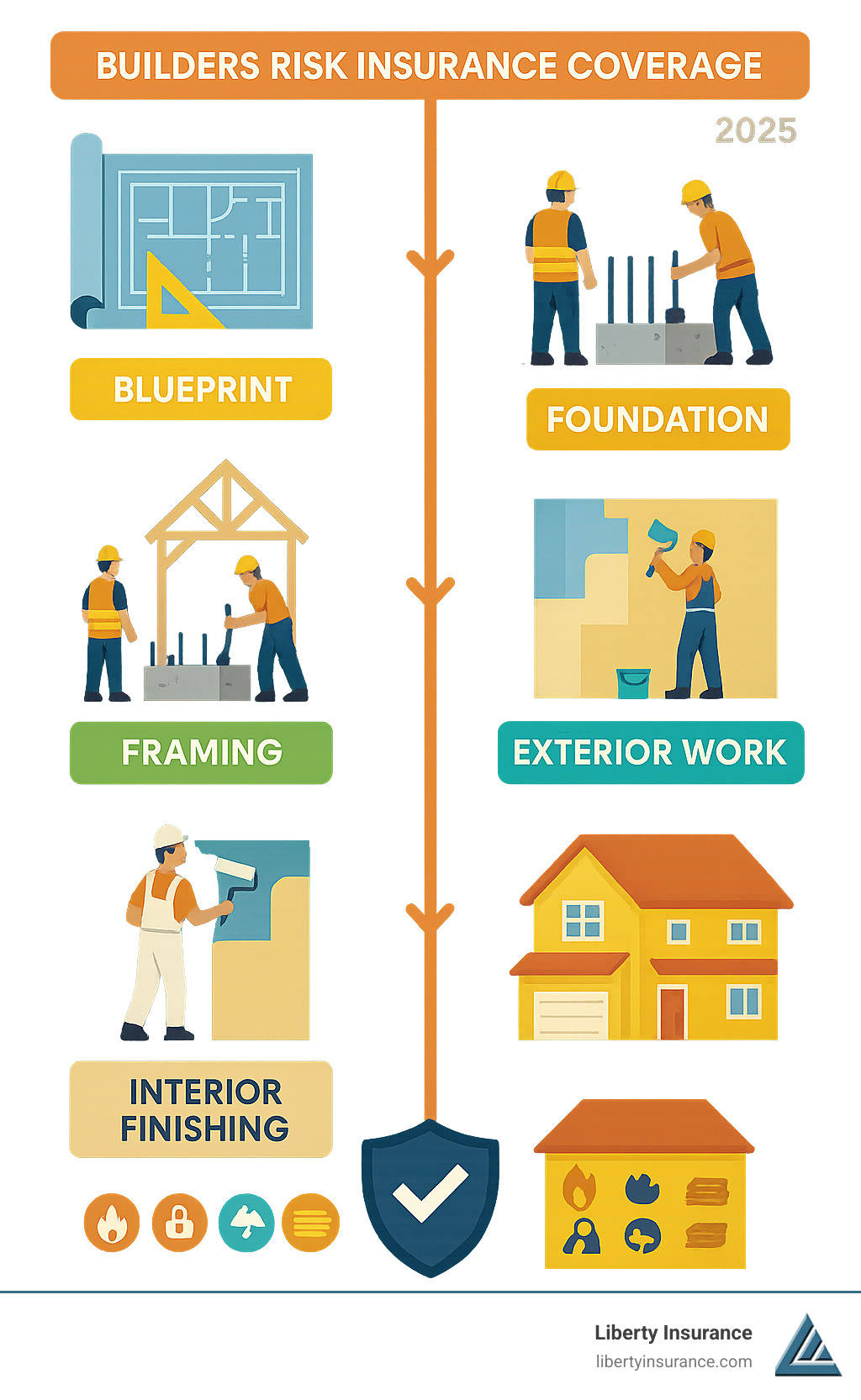
Builders risk insurance, also known as course of construction insurance, covers your project from blueprint to completion. This specialized property insurance protects against fire, theft, vandalism, and weather damage during the construction phase. Unlike standard business insurance, it’s designed specifically for the unique risks that construction projects face.
Policy costs typically range from 1% to 5% of total project value, making it an affordable safeguard for your investment. Whether you’re a general contractor, property owner, or developer, this coverage prevents unexpected incidents from derailing your project timeline and budget.
I’m Andrew Harris, a Certified Insurance Counselor (CIC) with over 15 years of experience helping construction professionals steer builders insurance companies and find the right coverage for their projects. Through my work with Liberty Insurance and involvement with industry organizations, I’ve guided countless builders through the process of selecting comprehensive protection that matches their specific needs.
What is Builders Risk Insurance and Why is it Essential?
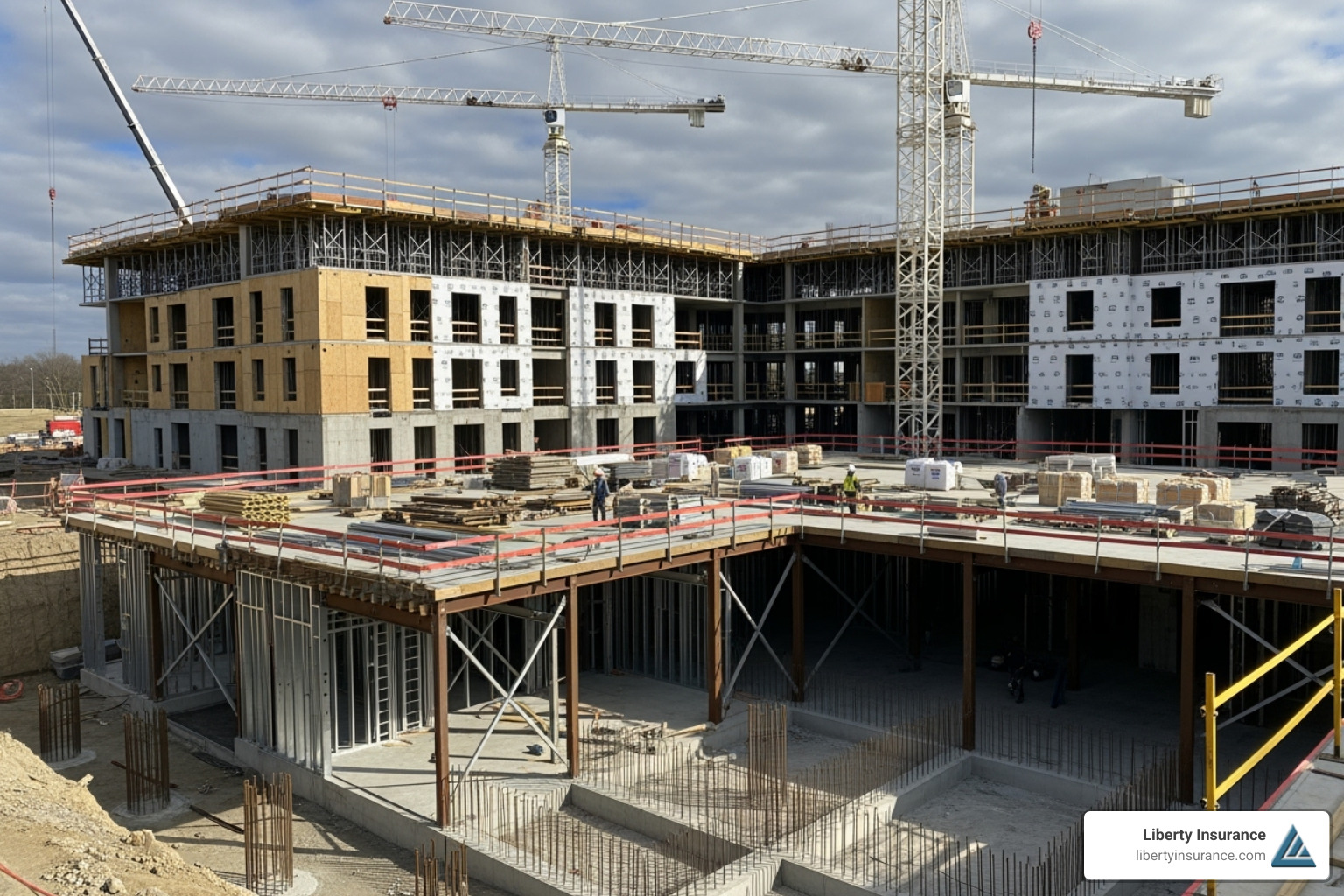
When you’re watching a building rise from the ground up, there’s something both exciting and nerve-wracking about the process. Every day brings new progress, but also new risks. That’s where builders risk insurance steps in as your financial guardian angel.
Builders risk insurance is specialized property coverage that protects your construction project from the moment you break ground until you hand over the keys. Think of it as a comprehensive safety net that catches you when the unexpected happens – and in construction, the unexpected will happen.
This isn’t your typical property insurance. It’s designed specifically for the unique challenges of construction sites, covering not just the structure itself, but also the materials sitting on-site, the equipment you’re using, and even temporary structures like scaffolding. When builders insurance companies design these policies, they understand that construction projects face risks that completed buildings simply don’t encounter.
The financial protection this coverage provides is absolutely critical. Without it, a single storm, fire, or theft could wipe out months of work and investment. I’ve seen contractors lose everything because they thought they could skip this coverage – it’s a gamble that’s simply not worth taking.
Who needs this protection? Anyone with skin in the game. General contractors rely on it to protect their reputation and bottom line. Property owners need it to safeguard their investment, whether they’re building their dream home or developing a commercial property. Lenders often require it before they’ll release construction funds – they’re not about to finance a project without proper protection. Developers working on multiple properties understand that builders risk isn’t optional; it’s essential business protection.
If you’re working on projects in New Jersey, understanding your coverage options is crucial. Our team at Liberty Insurance specializes in Construction Insurance New Jersey and can help you steer the complexities of protecting your specific project.
Types of Projects Covered
The beauty of builders risk insurance is its versatility. Whether you’re building a cozy single-family home or a massive commercial complex, this coverage adapts to your project’s needs.
New construction projects are the bread and butter of builders risk policies. From the moment you start digging the foundation until the final inspection is complete, your ground-up project is protected. This includes everything from custom homes to office buildings to retail spaces.
But it’s not just about building from scratch. Remodeling and renovations create their own unique risks. When you’re tearing down walls, updating electrical systems, or adding additions, you’re exposing your property to dangers that weren’t there before. A standard homeowners policy won’t cut it during major renovation work.
Residential projects get custom coverage whether you’re building one home or an entire neighborhood. Single-family homes need protection just as much as large developments do. The scale might be different, but the risks are real regardless of size.
Commercial buildings face their own challenges during construction. These projects typically involve higher values, longer construction periods, and more complex systems. The coverage needs to match the complexity and scale of the investment.
Even installation projects like HVAC systems, solar panels, or major infrastructure work can benefit from builders risk coverage. These specialized installations often involve expensive equipment and materials that need protection while they’re being installed.
How It Protects Your Bottom Line
Here’s where builders risk insurance really shines – it’s not just about covering damage; it’s about keeping your entire project financially viable.
The most obvious protection comes from covering financial losses when disaster strikes. Fire, theft, vandalism, and weather damage can devastate a construction site overnight. Without insurance, these losses come straight out of your pocket, often exceeding your entire profit margin for the project.
But the real value goes deeper. Preventing project delays from becoming financial disasters is perhaps even more important than covering direct damage. When something goes wrong on a construction site, the clock keeps ticking. Labor costs continue, equipment rentals pile up, and deadline penalties loom. Builders risk insurance helps you recover quickly instead of watching your project budget hemorrhage money.
The coverage protects against unexpected incidents that are simply part of construction reality. No matter how careful you are, accidents happen. Materials get damaged, weather doesn’t cooperate, and sometimes things just go wrong. Having that financial buffer means you can handle these setbacks without jeopardizing the entire project.
Most importantly, it ensures project completion by providing the resources you need to bounce back from problems. This peace of mind extends to everyone involved – contractors can focus on building instead of worrying about financial ruin, property owners can sleep better knowing their investment is protected, and lenders have confidence that their loans are secure.
When you’re working with Liberty Insurance, you’re getting more than just a policy – you’re getting partners who understand that protecting your physical assets and inventory during construction isn’t just about insurance; it’s about keeping your dreams and business goals on track.
Deconstructing Your Coverage: What a Policy Includes (and Excludes)
Understanding what your builders risk policy actually covers—and what it doesn’t—can mean the difference between a minor setback and a project-ending financial disaster. Think of your policy as a detailed blueprint for protection, with specific rooms (coverages) and clear boundaries (exclusions) that you need to know inside and out.
At its core, a standard builders risk policy is designed to protect your building structure as it takes shape—from the foundation you pour to the framing that goes up. It’s not just about the walls and roof, though. Your policy also covers on-site materials that are destined for your project, whether they’re already installed or sitting in neat stacks waiting for tomorrow’s work crew.
Here’s where it gets interesting: the coverage extends to labor costs needed to repair or replace damaged work. If a storm damages your freshly installed siding, you’re not just covered for new materials—you’re also protected for the cost of having workers redo that installation. Temporary structures like scaffolding and falsework are included too, which is crucial since these expensive support systems are often overlooked until something goes wrong.
The policy springs into action when perils like fire, certain types of flooding, theft, or vandalism strike your project. It’s your financial shield against those “I never saw that coming” moments that can derail even the most carefully planned construction timeline.
Key Coverage Options and Extensions
While your standard policy provides solid protection, the real magic happens when you customize it with extensions that address your project’s specific vulnerabilities. This is where builders insurance companies really show their expertise in understanding construction risks.
Soft costs coverage might sound like a minor add-on, but it’s often the difference between surviving a setback and facing financial ruin. When a covered loss delays your project, the indirect expenses start piling up fast—additional loan interest, ongoing real estate taxes, extended equipment rentals, and extra architectural fees. These “soft” costs can quickly become harder on your budget than the original damage.
Debris removal coverage ensures you won’t be stuck with cleanup bills after disaster strikes. Property in transit protection means your materials are covered even while they’re traveling from the supplier to your job site—because theft and accidents don’t wait for delivery confirmation.
For projects with off-site storage needs, stored materials coverage protects inventory in warehouses or temporary facilities. Fire department service charges might seem minor until you get that bill for emergency response services. Pollution cleanup coverage becomes essential if a covered incident leads to environmental contamination that needs professional remediation.
Delay in completion coverage is particularly valuable for projects with tight deadlines or penalty clauses. It protects against lost income and additional expenses when covered perils push back your completion date. With growing focus on sustainable building, many policies now offer endorsements for green building materials and renewable energy installations, covering the higher replacement costs of these specialized components.
Just as we provide comprehensive Commercial Property Insurance custom to each business’s unique assets, we ensure your builders risk policy addresses every aspect of your construction project’s specific needs.
Common Risks and Policy Exclusions
Every insurance policy has boundaries, and builders risk policies are no different. Understanding these limitations upfront prevents unpleasant surprises when you need coverage most.
Poor workmanship and faulty design are typically excluded because the policy protects against unforeseen external events, not errors in planning or execution. If your contractor cuts corners or your architect miscalculates load requirements, that’s a professional liability issue, not a builders risk claim.
Employee theft presents a unique challenge—while theft by outsiders is covered, sticky-fingered workers usually aren’t. This often requires separate fidelity bonding. Mechanical breakdown of equipment falls outside typical coverage since it’s considered a maintenance rather than an accident issue.
Earthquakes and floods frequently require separate coverage due to their catastrophic potential. While some policies include limited flood protection, comprehensive coverage usually needs special endorsements. According to FEMA’s flood insurance information, standard property policies typically don’t cover flood damage, making additional protection crucial for construction sites in flood-prone areas. Normal wear and tear is excluded because insurance covers sudden losses, not gradual deterioration.
The biggest surprise for many contractors is water damage from non-weather events. While storm-driven rain might be covered, water damage from burst pipes, faulty plumbing, or other internal sources often isn’t. This is particularly significant since water damage accounts for more than 30% of builders risk claims.
However, innovative programs are changing this landscape. Some forward-thinking insurers now offer water damage warranties that extend coverage to include non-weather water damage—the most common cause of construction losses. These programs often include technological solutions like smart leak detection systems and may offer financial incentives for implementing water damage prevention measures.
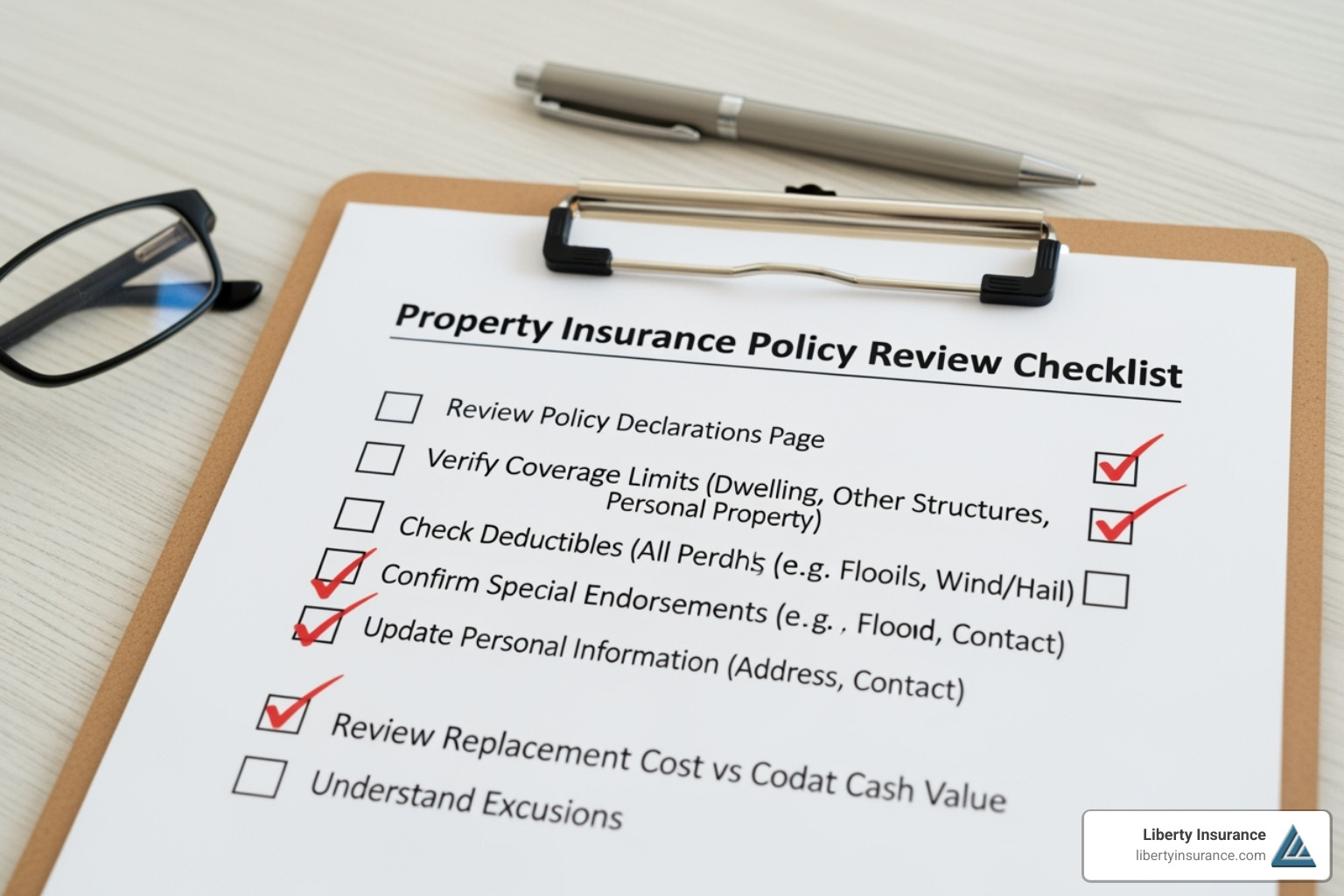
The key is working with experienced agents who understand these nuances and can help identify potential coverage gaps before they become expensive problems. We review every policy thoroughly to ensure you understand exactly what’s covered and explore options for extending protection where your project needs it most.
How to Choose from the Best Builders Insurance Companies
Finding the right builders insurance company isn’t like picking a new hammer from the hardware store. This decision can make or break your project’s financial security, and honestly, it’s one that keeps many contractors up at night. You’re not just shopping for the cheapest premium – you’re looking for a reliable partner who truly gets the construction business and will have your back when disaster strikes.

Think about it this way: when something goes wrong on your job site, you need an insurer who understands that time is money in construction. A company that knows the difference between falsework and framework. One that won’t leave you hanging when you file a claim for stolen copper or storm damage.
When we help our clients evaluate builders insurance companies, we always start with the fundamentals. Financial stability tops the list because an insurer who can’t pay claims is worse than no insurance at all. You want a company with deep pockets and a solid track record of honoring their commitments.
Customer service might sound basic, but it’s absolutely critical. Picture this: it’s Friday afternoon, a storm just damaged your project, and you need answers fast. The last thing you want is to sit on hold for hours or get shuffled between departments. Responsive, knowledgeable customer service can be the difference between a minor setback and a major headache.
The claims process deserves special attention too. Some insurers make filing a claim feel like solving a puzzle blindfolded. Others have streamlined systems that get you back to building quickly. Ask potential insurers about their average claim processing times and what documentation they require.
Industry expertise separates the wheat from the chaff. Does the insurer really understand construction risks? Do they know why a general contractor’s needs differ from a specialty subcontractor’s? This deep knowledge translates into better coverage options and more realistic underwriting. If you’re working in New Jersey, this expertise becomes even more valuable given local building codes and weather patterns. Learn more about specialized coverage through our General Contractor Insurance NJ services.
Key Qualities of Top-Rated Builders Insurance Companies
Experience has taught us that certain qualities consistently separate exceptional builders insurance companies from the rest of the pack. It’s like the difference between a seasoned foreman and a rookie – both might get the job done, but one brings wisdom that only comes from years in the trenches.
A.M. Best ratings provide an objective measure of financial strength. Think of it as a credit score for insurance companies. An “A” rating or higher indicates the company has the financial muscle to pay claims, even during tough times. It’s not everything, but it’s a great starting point for your evaluation.
Specialization in construction makes a huge difference. Some insurers dabble in construction coverage as a side business, while others live and breathe it. Companies that specialize in construction insurance understand your world. They know that a delay in material delivery isn’t just inconvenient – it can cascade into additional labor costs, equipment rental fees, and potential contract penalties.
Positive testimonials from other contractors tell the real story. Every company has a few unhappy customers, but look for patterns. Do contractors consistently praise the company’s claim handling? Do they mention helpful risk management resources? These insights are worth their weight in gold.
Flexible policy options and customizable coverage show that an insurer understands that no two construction projects are identical. A high-rise office building faces different risks than a residential renovation. The best insurers offer modular coverage that can be custom to your specific project needs, ensuring you’re not paying for unnecessary coverage while leaving critical gaps unprotected.
When evaluating providers, consider asking: What should I look for in a provider? Is training offered? Many top-tier insurers provide valuable risk management training and safety resources that can help prevent losses in the first place.
The Role of Insurance Agents vs. Direct Carriers
Choosing between working with an independent insurance agent or going directly to a carrier is like deciding between hiring a general contractor or managing all your subcontractors yourself. Both approaches have merit, but one typically offers more comprehensive support and options.
Independent agents like us at Liberty Insurance work with multiple carriers, giving you access to a broader marketplace. We shop around on your behalf, comparing not just prices but coverage details, claim service reputations, and policy terms. This is particularly valuable because builders insurance companies often have different strengths – one might excel at large commercial projects while another specializes in residential work.
The real value of an independent agent goes beyond just shopping around. We serve as your advocate throughout the policy term, helping with claims, policy changes, and coverage questions. When you call with a problem, you’re not just another policy number – you’re a valued client whose success directly impacts our business.
Direct carriers sell their products without intermediaries, which can sometimes mean lower costs since there’s no agent commission. However, this approach limits you to one company’s products and pricing. You might miss out on better coverage options or competitive rates available elsewhere.
For most construction businesses, especially those with complex or high-value projects, the expertise and market access provided by an experienced independent agent far outweighs any potential cost savings from going direct. We understand the nuances of construction insurance and can help you steer the complexities of policy language and coverage options.
Innovations to Look for in Builders Insurance Companies
The construction industry has accepted technology in remarkable ways, from building information modeling to drone surveys. Progressive builders insurance companies are keeping pace with these changes, offering innovative tools and coverage options that weren’t available just a few years ago.
Technology integration has transformed how we manage insurance policies. Look for insurers offering robust online portals where you can access policy documents, certificates of insurance, and billing information 24/7. These platforms can save you hours of administrative time and provide instant access to the documentation you need for project bids or lender requirements.
Risk management tools represent a shift from reactive to proactive insurance. Some insurers now offer sophisticated risk assessment programs, safety training resources, and even site-specific weather monitoring. These tools help prevent losses before they occur, potentially saving you money on both premiums and deductibles.
Water leak detection systems address one of construction’s biggest insurance challenges. Water damage accounts for over 30% of builders risk losses, making it a critical concern for any project. Innovative insurers are partnering with technology companies to offer incentives for installing smart leak detection systems. These systems can reduce claim frequency by up to 75% and loss severity by 90%, creating a win-win situation for both insurers and policyholders.
Digital claims filing streamlines what has traditionally been a paper-heavy, time-consuming process. Modern systems allow you to submit claims with photos and documentation directly from your smartphone, accelerating the entire claims process and getting your project back on track faster.
Coverage for green building materials reflects the industry’s growing focus on sustainability. As more projects incorporate eco-friendly materials and construction methods, forward-thinking insurers are adapting their policies to address the unique risks and replacement costs associated with these specialized components.
Sustainable construction endorsements go beyond basic green building coverage, offering comprehensive protection for LEED-certified projects and other sustainable construction initiatives. These endorsements ensure that your commitment to environmental responsibility doesn’t leave you exposed to coverage gaps.
The best builders insurance companies view these innovations not as marketing gimmicks but as genuine tools to better serve their construction clients. When evaluating insurers, ask about their technology offerings and risk management resources – they can provide significant value beyond traditional coverage.
Builders Risk vs. Other Essential Construction Policies
It’s easy to get confused when you’re looking at all the different insurance policies available for construction projects. While builders insurance companies offer various types of coverage, each policy serves a distinct purpose in protecting your business. Think of it like having different tools in your toolbox – each one has its specific job, and you need them all to get the work done safely.
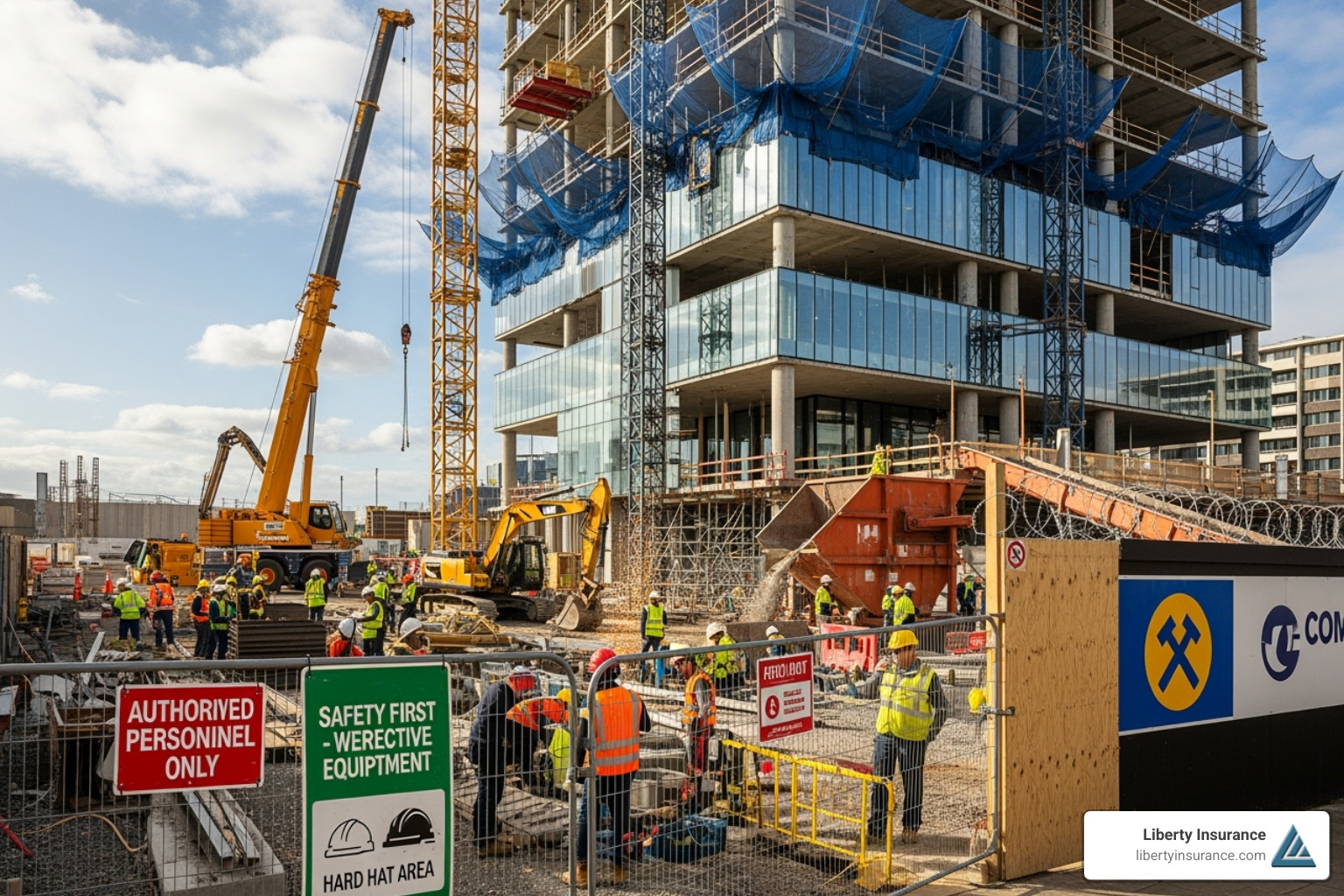
Builders risk insurance is all about protecting the physical property and materials during construction. When a storm damages your partially built structure or thieves steal expensive materials from the job site, this is the coverage that steps in. It’s property insurance specifically designed for construction projects.
General liability insurance, on the other hand, protects you when someone else gets hurt or their property gets damaged because of your work. If a visitor to your construction site trips over equipment and breaks their leg, or if your crew accidentally damages a neighbor’s fence, general liability coverage handles these third-party claims. This type of coverage is absolutely essential for any construction business, and you can learn more about protecting your business with General Liability Insurance Small Business.
Workers’ compensation insurance focuses specifically on your employees. When one of your workers gets injured on the job – whether it’s a fall from scaffolding or a back injury from lifting heavy materials – workers’ comp covers their medical expenses and lost wages. It’s required by law in most states and protects both your employees and your business from the financial impact of workplace injuries.
The key difference lies in who or what is being protected. Builders risk covers your property and materials, general liability protects against claims from third parties, and workers’ compensation takes care of your employees. You might think of builders risk as protecting your “stuff,” general liability as protecting you from lawsuits, and workers’ comp as protecting your team.
Many contractors make the mistake of thinking one policy covers everything, but that’s simply not the case. A comprehensive insurance program typically includes all three types of coverage. Without this complete protection, you’re leaving significant gaps that could expose your business to serious financial risk.
For construction businesses operating in New Jersey, understanding these distinctions is particularly important given the state’s specific requirements and regulations. We help contractors steer these complexities with our comprehensive Contractors Insurance New Jersey solutions, ensuring every aspect of your business is properly protected.
The bottom line? Each type of insurance serves a specific purpose, and trying to operate without any one of them is like trying to build a house without a complete set of blueprints. You need the full picture to ensure your project – and your business – stays protected from every angle.

