
Navigating Commercial Property Insurance Carriers
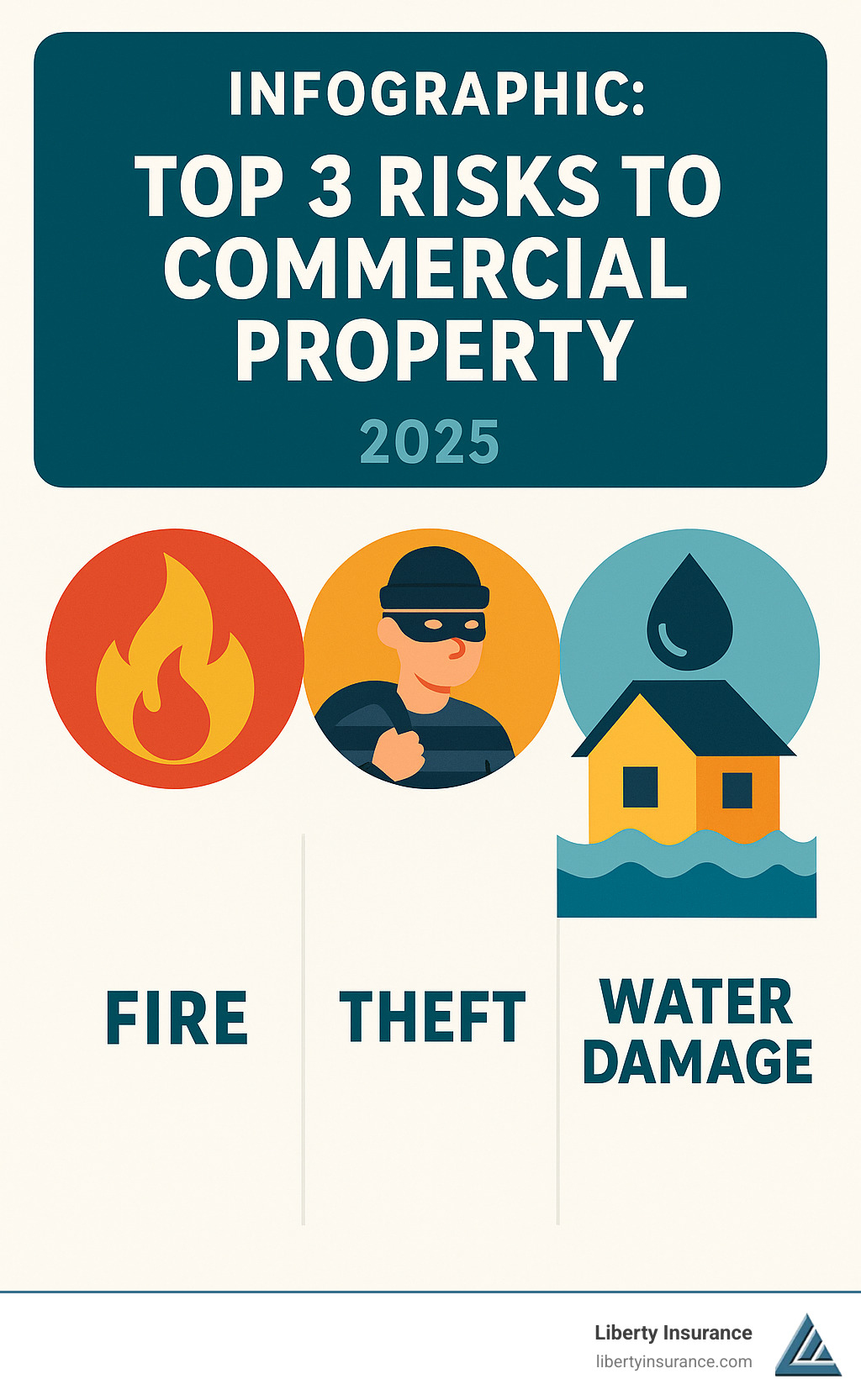
When searching for commercial property insurance carriers, businesses prioritize providers known for financial strength, comprehensive coverage, and excellent claims service. As a business owner, protecting your assets is paramount. Whether you lease an office, own valuable equipment, or hold significant inventory, a disaster like a fire, theft, or flood can disrupt operations and lead to substantial financial loss.
The right commercial property insurance helps you cover these costs and recover quickly. However, choosing the best carrier can be a complex process. This guide is designed to help you understand your options and make an informed decision to protect your valuable assets.
Andrew Harris brings years of expertise in the insurance industry, particularly with commercial property insurance carriers. As a Certified Insurance Counselor (CIC) and Accredited Advisor in Insurance (AAI), Andrew helps businesses find custom solutions to protect their valuable assets.
Quick look at commercial property insurance carriers:
- commercial property insurance business interruption
- commercial property insurance cost
- commercial property insurance policy
Understanding Commercial Property Coverage: What Carriers Offer
Commercial property insurance is a vital shield for your business, protecting your physical assets whether you own or lease your space. This coverage safeguards your building, its contents, and the equipment essential to your operations against physical loss or damage from events like fire, theft, or vandalism. The best commercial property insurance carriers also offer policies that cover lost income and extra expenses if a disaster forces you to close temporarily, helping your business stay afloat.
Policies generally come in two main types: “Named Perils” and “All-Risk” (also known as “Special Form”).
- Named Perils Policies: These cover losses only from specific risks listed in the policy, such as fire, windstorm, or theft. They come in a Basic Form (covering a few common perils) and a Broad Form (adding more covered perils).
- All-Risk Policies (Special Form): These offer broader protection by covering losses from any cause that is not specifically excluded. While they provide more comprehensive coverage, they typically have a higher premium.
Understanding these differences is key. At Liberty Insurance, we offer a comprehensive Commercial Property Insurance Policy to help you steer these choices. For more insights, you can also check external resources like this guide on policy types.
Policies can be customized with endorsements for risks like supply chain interruptions. Your needs also differ if you rent or own. Owners need to insure the building, while renters focus on tenant improvements, equipment, and inventory.
Key Coverages and Common Add-Ons
Commercial property insurance carriers provide a range of essential protections and valuable add-ons:
- Building Coverage: Protects the physical structure if you own the property. Our Business Building Insurance is designed for this.
- Business Personal Property: Covers items inside your building, such as furniture, fixtures, equipment, and inventory.
- Business Income (or Business Interruption): Replaces lost income and covers ongoing expenses if your business must close temporarily due to a covered loss. Learn more about our Commercial Property Insurance Business Interruption solutions.
- Equipment Breakdown: Covers unexpected breakdowns from mechanical or electrical failures, which are often excluded from standard policies.
- Crime Insurance: Protects against losses from employee theft, forgery, or computer fraud.
- Flood and Earthquake Insurance: These are typically excluded from standard policies and must be added as endorsements, especially for businesses in high-risk areas.
- Mobile Property Insurance: Protects assets like tools and equipment that move between job sites.
- Ordinance or Law Coverage: Helps with the extra costs of rebuilding to meet new, stricter building codes after a loss.
Common Exclusions and How to Address Them

It’s crucial to know what your policy doesn’t cover. Common exclusions include:
- Wear and Tear: Gradual deterioration is not covered.
- War and Government Action: Losses from these events are excluded.
- Nuclear Hazards, Pest Damage, and Pollutants: These require specialized coverage.
- Cash, Securities, and Precious Metals: Excluded due to high theft risk.
- Vehicles, Crops, and Animals: Covered under different, specialized policies.
Businesses can address these gaps with endorsements (like for flood or earthquake) or specialized policies (like crime or pollution liability). Proactive risk management, such as regular property maintenance, is also key. Our team can help you understand the various Types of Business Insurance to ensure complete protection.
Determining Your Coverage Amount
Choosing the right coverage amount is critical to avoid underinsurance. Commercial property insurance carriers use two main valuation methods:
- Replacement Cost (RC): This pays the cost to replace damaged property with new property of similar kind and quality, without deducting for depreciation. Most businesses prefer this method.
- Actual Cash Value (ACV): This pays the replacement cost minus depreciation. ACV policies have lower premiums but may not cover the full cost of replacing your assets.
Many policies include a coinsurance clause, which requires you to insure your property for a certain percentage of its value (usually 80-90%). Failing to meet this can result in a penalty, where the insurer pays only a portion of your loss. It’s vital not to underreport your property’s value to save on premiums. An inflation guard endorsement can automatically increase your coverage limit annually to keep pace with rising costs. We can help you assess your needs for Commercial Real Estate Insurance Coverage to ensure you’re adequately protected.
How Carriers Calculate Your Commercial Property Insurance Premiums
Commercial property insurance carriers calculate your premium based on your business’s unique risks. Your premium is the price for protection, while your deductible is the amount you pay on a claim before coverage kicks in.
The cost varies greatly; a small home-based business will pay far less than a large factory. While the average annual cost for a commercial property policy is around $1,600, this figure can swing widely. We can help you understand your specific Commercial Property Insurance Cost.
Insurers often use the COPE framework to assess property risk:
- Construction: What is your building made of? Fire-resistant materials like concrete or steel are less risky than wood. The building’s age and condition are also important.
- Occupancy: What type of business do you run? A restaurant with open flames has different risks than an office.
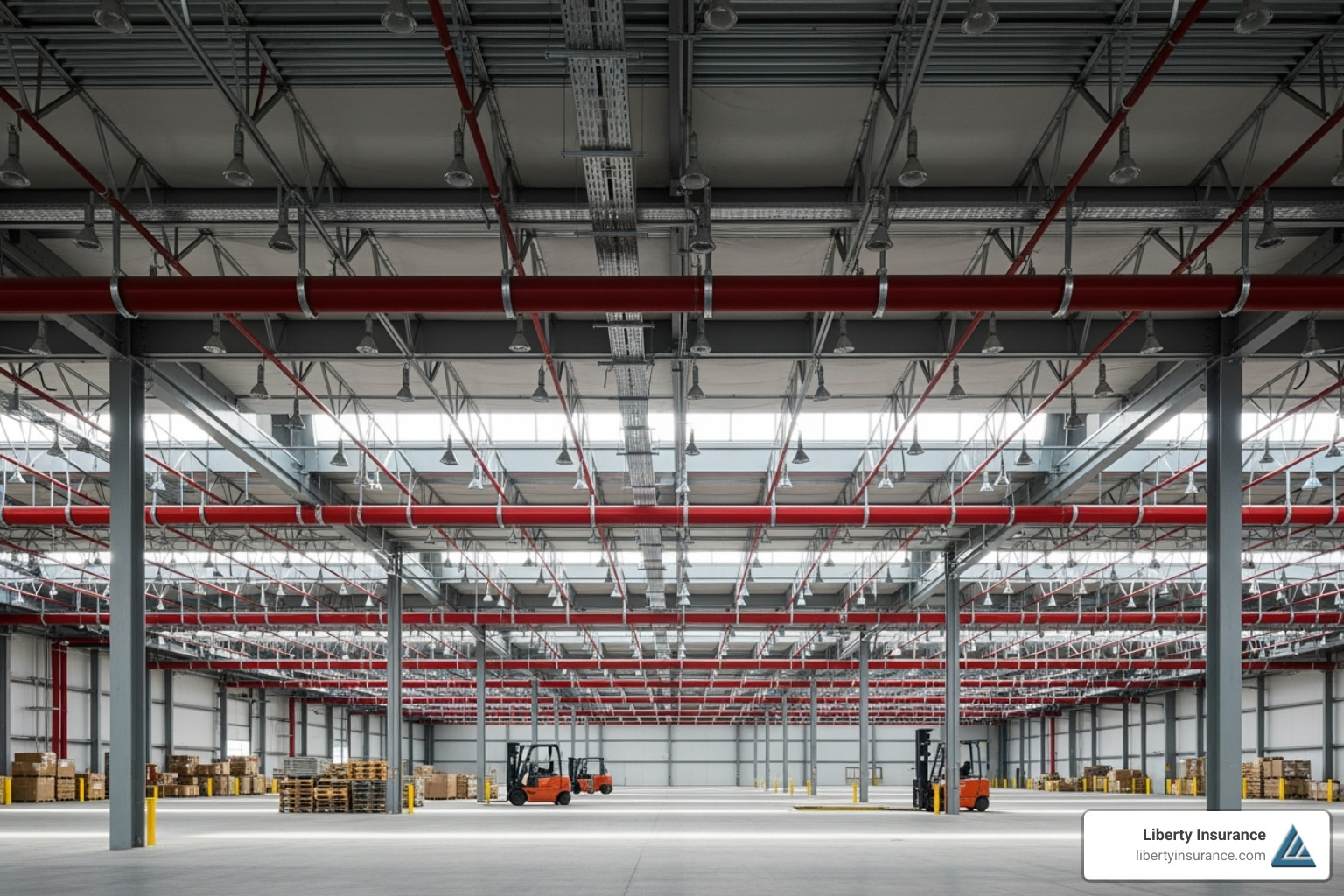
- Protection: What safety features are in place? Fire sprinklers, alarms, and security systems can lead to lower premiums.
- Exposure: What surrounds your property? Proximity to high-risk neighbors, high-crime areas, or natural disaster zones can increase your premium.
Major Factors Influencing Your Policy Cost
Beyond COPE, several other factors influence your cost:
- Property Value: The higher the value of your building and its contents, the more it costs to insure.
- Location: Properties in areas with high crime rates or prone to natural disasters typically have higher premiums. Proximity to a fire station also matters. You can learn more about how location impacts insurance costs from various sources.
- Business Type: Some industries, like manufacturing or construction, are inherently riskier and face higher premiums.
- Coverage Limits and Deductible: Higher coverage limits increase your premium, while a higher deductible can lower it.
- Claims History: A history of frequent claims signals higher risk to insurers and can lead to higher premiums.
Discounts and Savings Opportunities
You can manage your insurance costs with several available discounts:
- Bundling Policies: Buying multiple policies (property, liability, auto) from one carrier often results in a multi-policy discount.
- Safety Measures: Installing fire sprinklers, security alarms, and surveillance cameras can earn you credits.
- Claims-Free Discount: Maintaining a clean claims history can be rewarded with lower rates.
- Loyalty and Association Discounts: Long-term customers or members of professional associations may qualify for savings.
Making smart choices can lead to real savings. We’re here to help you explore all the options for Insurance for Business Owners and find a package that protects your business without straining your budget.
A Guide to Comparing Commercial Property Insurance Carriers
Choosing the right commercial property insurance carriers is a critical decision for your financial security. It’s about finding a partner who understands your business, offers the right coverage, and provides reliable support, especially during a claim.

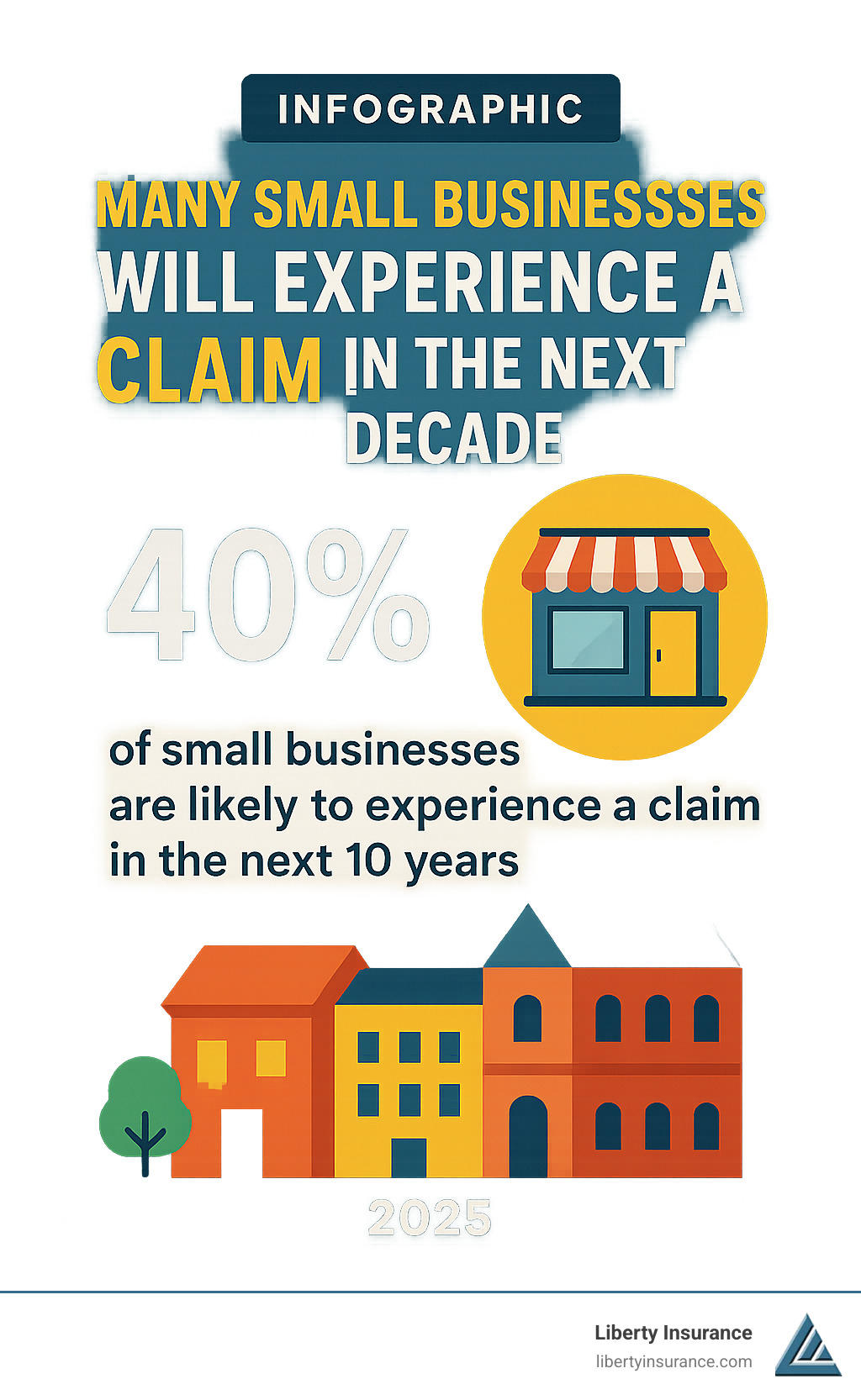
When comparing carriers, look beyond the price. Consider their coverage options, policy limits, premiums, and deductibles. Evaluate their claims process, company reputation, and, most importantly, their financial strength. Since roughly 40% of small businesses may experience a property or liability claim in the next 10 years, picking a dependable carrier is vital.
Financial Stability: What to Look for in Commercial Property Insurance Carriers
A carrier’s financial strength indicates its ability to pay claims, especially after a widespread disaster. Check for independent financial ratings from agencies like AM Best, Moody’s, or Standard & Poor’s. A high rating (such as A++, A+, or A) signals that the insurer is financially sound and can meet its obligations to policyholders. A carrier’s market share and the volume of premiums they handle can also be indicators of financial stability and resilience.
Coverage & Claims: Differentiators Among Top Commercial Property Insurance Carriers
The best carriers stand out through their policy customization and claims handling.
Policy Customization: Top carriers offer flexible coverage options that can be custom to your business’s specific risks and operational needs. At Liberty Insurance, we pride ourselves on providing customized solutions.
Claims Handling and Customer Service: A carrier’s true value is revealed during the claims process. Look for insurers known for fast, fair, and responsive service, often with 24/7 reporting options and dedicated claims representatives. Customer satisfaction ratings from independent sources, like the Better Business Bureau website, can offer valuable insights. Our Commercial Property Insurance Agents are ready to guide you through this process.
Risk Management and Industry Specialization
Leading commercial property insurance carriers also provide services to help you prevent losses.
Loss Prevention Services: Many carriers offer risk engineering, property inspections, and data-backed insights to help you identify and mitigate potential hazards before they become problems.
Industry Expertise: Some carriers specialize in certain industries, giving them a deep understanding of the unique risks involved. Whether you’re in manufacturing, real estate, or retail, a carrier with experience in your field can offer more relevant and effective coverage solutions. Our Business Services are designed to meet the needs of many different industries.
Frequently Asked Questions about Commercial Property Insurance
What is the difference between an “all-risk” and a “named perils” policy?
A “named perils” policy only covers losses from the specific risks (perils) listed in the policy, such as fire, theft, or windstorm. If a risk isn’t on the list, it’s not covered.
An “all-risk” policy (also called a special form policy) works the other way around. It covers losses from any cause unless it is specifically listed as an exclusion. This offers broader protection and is preferred by most businesses, though it typically has a higher premium.
How much does commercial property insurance cost on average?
The cost of commercial property insurance varies significantly based on your business’s unique characteristics. Key factors include the value of your property, its location, your industry, the building’s construction, and your claims history.
While there’s no single price, data from major insurers suggests an average annual cost might be around $1,600 for a small business. However, businesses with higher risks or more valuable property will pay more, while those with strong safety measures may pay less.
Is commercial property insurance required by law?
Generally, commercial property insurance is not mandated by federal or state law. However, it is almost always a practical necessity. For instance, if you have a commercial mortgage, your lender will require you to carry insurance to protect their investment. Similarly, most commercial lease agreements require tenants to insure their business personal property. While not legally required by a government body, it is a standard business requirement to protect all parties involved.
Conclusion
When it comes to protecting your business, picking the right commercial property insurance carriers isn’t just about finding a policy; it’s about finding a true partner. We’ve spent time together exploring the different kinds of protection available, how insurance costs are figured out, and what truly makes a great carrier stand out.
You want a partner with undeniable financial strength, who offers just the right amount of policy customization for your unique needs, provides excellent customer service when you need it most, and genuinely helps you with risk management to prevent issues before they start.
That’s exactly where we come in at Liberty Insurance. We’re here to help businesses just like yours safeguard their valuable physical assets – everything from your building and key equipment to your inventory. We know the lay of the land here in New Jersey, understanding the unique challenges faced by businesses in places like Millstone Township, Trenton, Toms River, New Brunswick, and Princeton. Our custom coverage options are designed to protect you from common worries like fire and theft, so you can bounce back quickly and keep your business running smoothly.
We truly believe in a clear, warm, and supportive approach. Think of us as your guides, helping you steer insurance so you can focus on what you do best: growing your business. Don’t leave your hard-earned assets to chance. Let us help you find the peace of mind that comes from knowing you’re well-protected.
Ready to take the next step? For personalized advice and to explore the best options for your business, reach out to Liberty Insurance today. We’re here to help you Get help finding the right business property insurance.

