
Getting Back on Your Feet with FEMA
When disaster strikes, the path to recovery can seem overwhelming, but the Federal Emergency Management Agency (FEMA) is a critical resource. This guide provides a comprehensive walkthrough of how to get help.
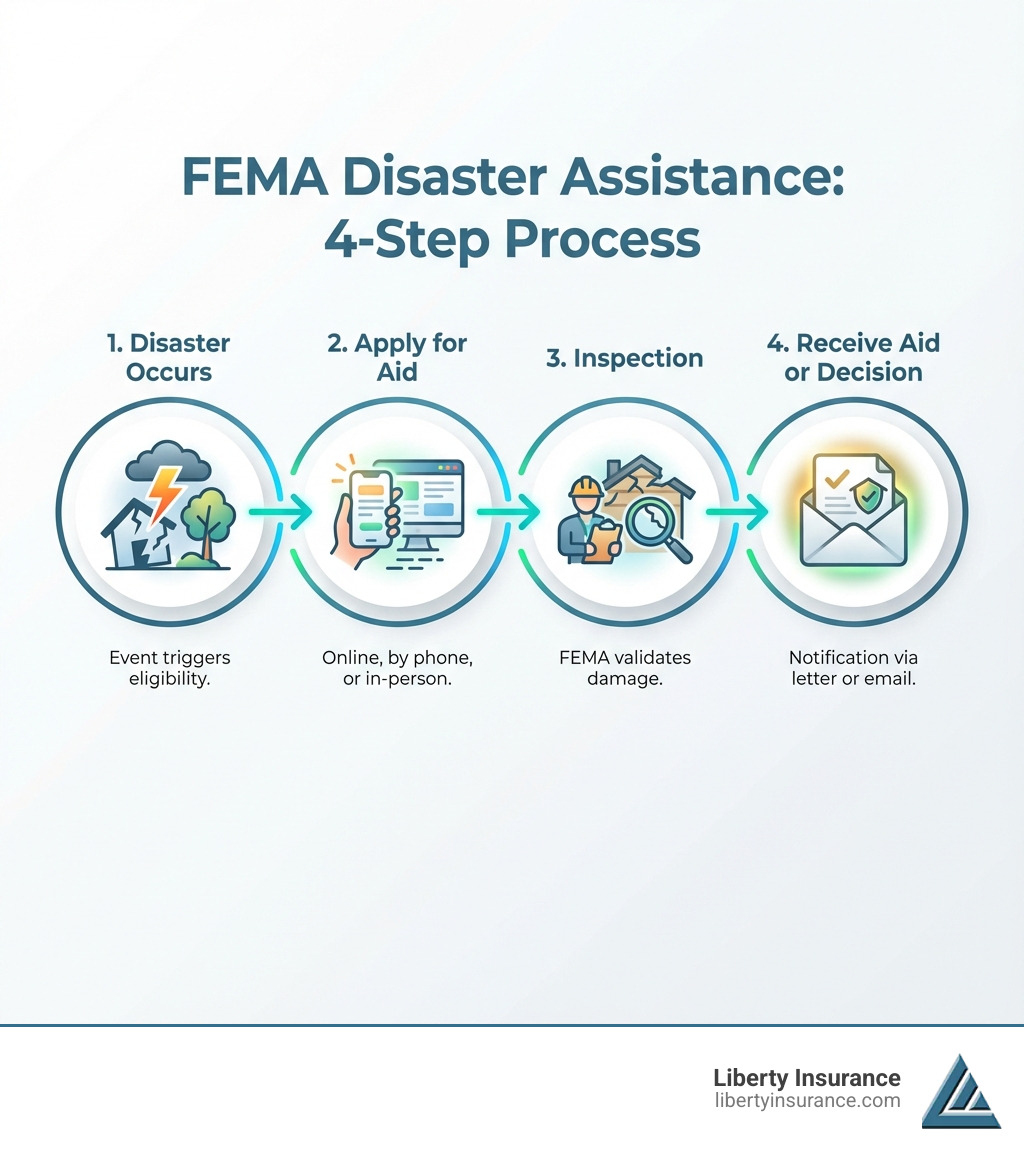
To apply for disaster assistance fema, you can:
- Visit DisasterAssistance.gov online.
- Call the FEMA Helpline at 800-621-3362.
- Find a Disaster Recovery Center (DRC) for in-person help.
I’m Andrew Harris, a Certified Insurance Counselor (CIC), Accredited Advisor in Insurance (AAI), and PIA National’s Agent of the Year. My background gives me a deep understanding of how private insurance connects with disaster assistance fema efforts, helping bridge the gap between disaster impact and successful recovery.
Relevant articles related to disaster assistance fema:
Understanding FEMA and Disaster Declarations
The Federal Emergency Management Agency (FEMA), part of the Department of Homeland Security (DHS), coordinates the federal response to disasters that overwhelm state and local resources. Its mission is to help people before, during, and after disasters, stepping in when a catastrophe’s scale is too large for local governments to handle alone. FEMA’s authority is governed by The Robert T. Stafford Disaster Relief and Emergency Assistance Act. Formed in 1979, the agency has evolved, undergoing significant reforms after events like Hurricane Katrina to improve its effectiveness.
The process begins when a governor requests a presidential declaration after a Preliminary Damage Assessment (PDA) shows the extent of damage in areas like Millstone Township, Trenton, or Toms River. This PDA is a joint effort between FEMA, state, and local officials. Teams survey the affected areas to estimate the extent of the damage, the number of homes destroyed or damaged, and the potential cost of response and recovery. The governor’s request must include these findings and certify that the disaster’s severity and magnitude are beyond the state’s capabilities. The President then evaluates the request based on several factors, including the amount and type of damage, the impact on the population, and the availability of state and local resources, before issuing one of two types of declarations.
Emergency vs. Major Disaster Declarations
The Stafford Act outlines two main declaration types with different levels of aid.
- Emergency Declarations: Issued for incidents requiring immediate federal help to save lives, protect property, and ensure public health and safety. This aid is more limited, focusing on emergency services like debris removal and shelters.
- Major Disaster Declarations: Issued for severe events beyond state and local capabilities. These declarations open up a much broader range of federal assistance programs for long-term recovery.
Here’s a quick comparison:
| Feature | Emergency Declaration | Major Disaster Declaration |
|---|---|---|
| Scope of Event | Incidents requiring immediate federal assistance | Severe events beyond state/local capabilities |
| Primary Focus | Protecting lives, property, public health/safety | Comprehensive recovery, including long-term rebuilding |
| Types of Aid | Emergency protective measures, debris removal | Individual Assistance (IA), Public Assistance (PA), Hazard Mitigation (HM) |
| Federal Funding | Limited supplemental federal assistance | Broad range of programs, potentially billions in aid |
Major Disaster Declarations: Individual vs. Public Assistance
Under a Major Disaster Declaration, aid is categorized into two primary forms:
- Individual Assistance (IA): This is the disaster assistance fema most people think of. It provides financial aid and direct services to individuals and households to help with housing and other essential, disaster-caused needs. The goal is to help survivors meet basic needs and make their homes safe, sanitary, and functional.
- Public Assistance (PA): This program provides grants to state, local, and tribal governments, as well as certain private non-profits. It helps fund the repair of public facilities like roads and utilities, debris removal, and emergency protective measures. The federal government typically covers at least 75% of the eligible costs.
Based on the damage assessment and a governor’s request, the President decides whether to issue a declaration and what types of assistance (IA, PA, or both) will be authorized for affected counties in New Jersey, such as those including New Brunswick or Princeton.
A Deep Dive into the Types of Disaster Assistance FEMA Offers
FEMA offers a diverse array of programs to help those impacted by disasters. The Individuals and Households Program (IHP) is the core of direct aid to survivors, providing financial help and direct services. Its goal is not to replace all losses but to help with essential repairs and needs to make a home safe, sanitary, and functional.
It’s crucial to understand that IHP is not a substitute for insurance and is not intended to make you whole. The assistance is capped by law (the amount is adjusted annually) and focuses only on essential needs. For example, FEMA assistance will not cover damage to a secondary home, landscaping, non-essential electronics, or luxury items. The goal is to provide a basic level of safety and functionality, not to restore your home to its pre-disaster condition.
Individual Assistance (IA) for You and Your Family
If your New Jersey home is damaged in a federally declared disaster, IA can be a crucial resource. It includes:
Housing Assistance: This can provide funds for:
- Rental Assistance: To rent temporary housing if your primary home is uninhabitable.
- Home Repair: For uninsured repairs to make your primary residence safe and functional.
- Lodging Expense Reimbursement: For hotel costs if you were displaced.
- Direct Temporary Housing: In limited cases, FEMA may provide options like travel trailers.
Other Needs Assistance (ONA): This covers uninsured, disaster-related necessary expenses and serious needs, including:
- Personal Property: To repair or replace essential items like furniture and appliances.
- Medical and Dental Costs: For disaster-caused injuries or illness.
- Funeral Expenses: For deaths caused by the disaster.
- Child Care: For new or increased childcare needs.
- Transportation: To repair or replace a disaster-damaged vehicle.
- Moving and Storage: For costs related to displacement.
FEMA provides accessible resources for all survivors, including those with disabilities or limited English proficiency, such as this American Sign Language video on applying for FEMA assistance. To be eligible for disaster assistance fema, someone in the household must be a U.S. citizen, non-citizen national, or qualified alien. A family can apply on behalf of an eligible minor child.
Assistance for Businesses and Non-Profits
While IA focuses on households, other federal programs assist businesses and non-profits. The Small Business Administration (SBA) offers low-interest SBA Disaster Assistance loans. These loans are the primary source of federal long-term recovery funding for disaster damage. It’s important to note that even if you don’t think you want a loan, you should still apply if referred by FEMA. You are not obligated to accept it, but declining to apply may make you ineligible for certain other types of FEMA assistance. The SBA offers several types of loans:
- Home and Personal Property Loans: For homeowners and renters to repair or replace disaster-damaged real estate and personal property.
- Business Physical Disaster Loans: For businesses of any size and most private non-profits to repair or replace damaged property, including inventory and equipment.
- Economic Injury Disaster Loans (EIDL): Provides working capital to help small businesses and most private non-profits meet their ordinary and necessary financial obligations that cannot be met as a direct result of the disaster. This is vital for commercial clients in areas like New Brunswick or Trenton.
The Public Assistance (PA) Grant Program helps state, local, and tribal governments, plus certain private non-profits, with the costs of debris removal, emergency protective measures, and repairing public facilities like roads and bridges.
Other Key Programs and Considerations
- National Flood Insurance Program (NFIP): Managed by FEMA, the NFIP provides flood insurance, which is highly relevant for New Jersey’s coastal and river communities. Recent changes like Risk Rating 2.0 price insurance based on individual property risk. Having flood insurance is often a requirement for other federal aid.
- IRS Tax Relief: In federally declared disasters, the IRS may postpone tax deadlines. Taxpayers can also deduct casualty losses on their federal income tax returns. The IRS provides guidance (Publication 584-B for businesses) for reconstructing lost records.
- Interaction with Other Benefits: FEMA aid is non-taxable and does not affect your eligibility for other federal programs like Social Security, Medicaid, or SNAP. You can accept help without it impacting your other benefits.
The Application Process: How to Get Disaster Assistance from FEMA
Applying for disaster assistance fema can feel daunting, but breaking it down into steps makes it manageable.
Before applying, take these crucial pre-application steps:
- File your insurance claim first. FEMA covers uninsured or underinsured losses, so you must contact your insurance provider first. You will need your insurance settlement or denial letter for FEMA.
- Document all damage. Take clear photos and videos of your damaged home and belongings for your insurance claim and FEMA application.
- List lost or damaged items. Create a detailed list of everything damaged, including descriptions and estimated values.
Checking Eligibility and Deadlines
First, confirm your area in New Jersey is eligible for assistance. Use the search tool on DisasterAssistance.gov to check if your county (e.g., Ocean, Mercer, Middlesex, or Somerset) is in a declared disaster area. Deadlines are strict; you generally have 60 days from the declaration date to apply, so act quickly.
General eligibility criteria for Individual Assistance include:
- You or a household member is a U.S. Citizen, non-citizen national, or qualified alien.
- Your home is in a federally declared disaster area.
- You have uninsured or underinsured disaster-caused expenses.
- The damaged property is your primary residence.
How and Where to Apply for disaster assistance fema
FEMA offers several ways to apply:
- Online: The fastest method is at www.DisasterAssistance.gov, available 24/7.
- FEMA Helpline: Call 800-621-3362 (TTY 800-462-7585) from 7 a.m. to 10 p.m. daily. Provide your number for video relay service (VRS) or captioned telephone (CTS) if you use one.
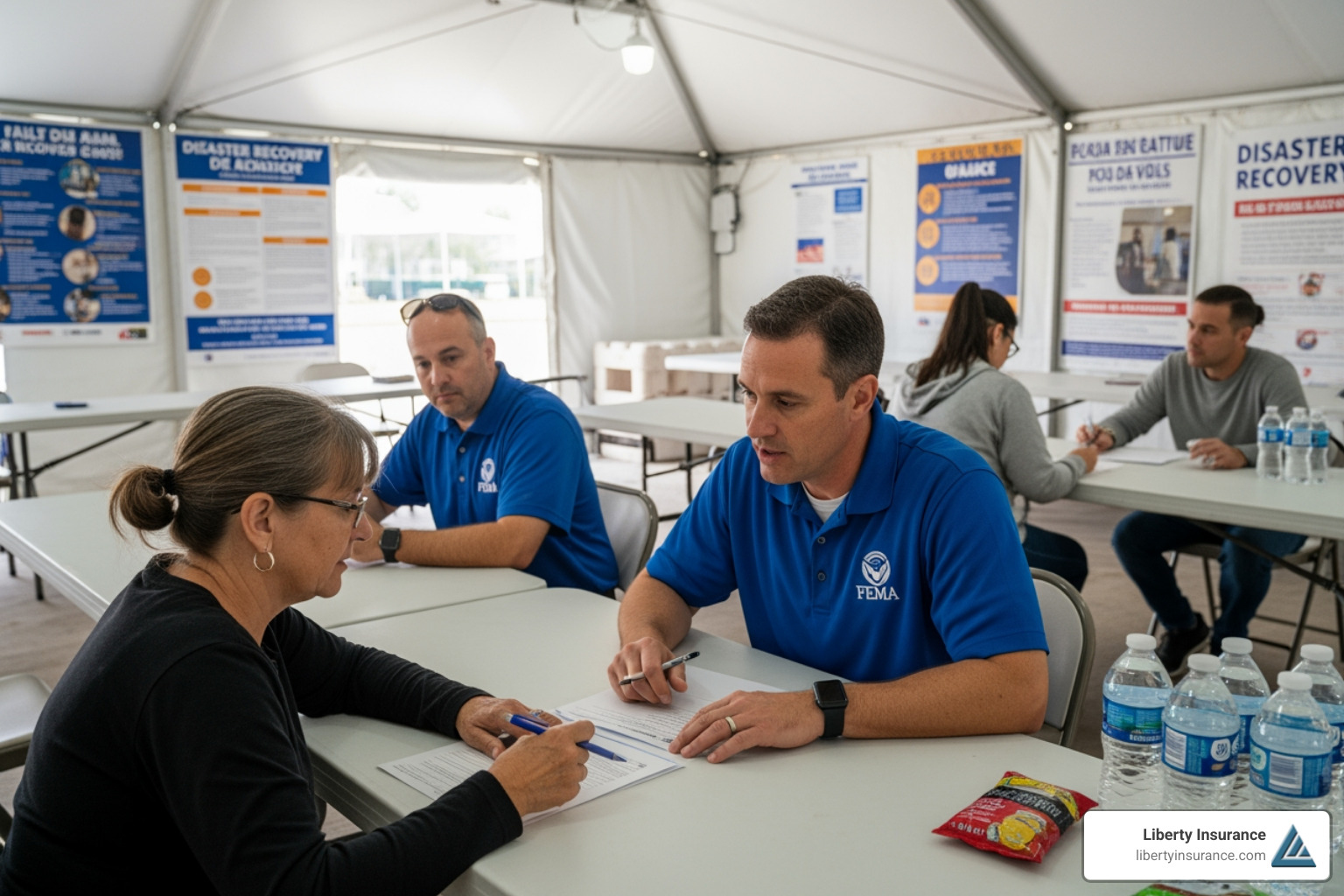
- Disaster Recovery Centers (DRCs): Visit a local DRC for in-person help with your application.
Information and Documentation You’ll Need
Gathering your information beforehand will streamline the process. Have these details ready:
- Social Security Number (yours or an eligible minor child’s)
- Annual household income
- Contact information (phone, mailing address, email)
- Address of the damaged primary residence
- Bank account details for direct deposit (recommended for speed)
- Insurance policy information (type, number, agent contact)
- A description of your damage and losses
After You Apply: Navigating Inspections, Decisions, and Appeals
After submitting your application for disaster assistance fema, you can track its progress. Check your application status by creating an account at DisasterAssistance.gov or by calling the FEMA Helpline at 800-621-3362.
The FEMA Inspection Process
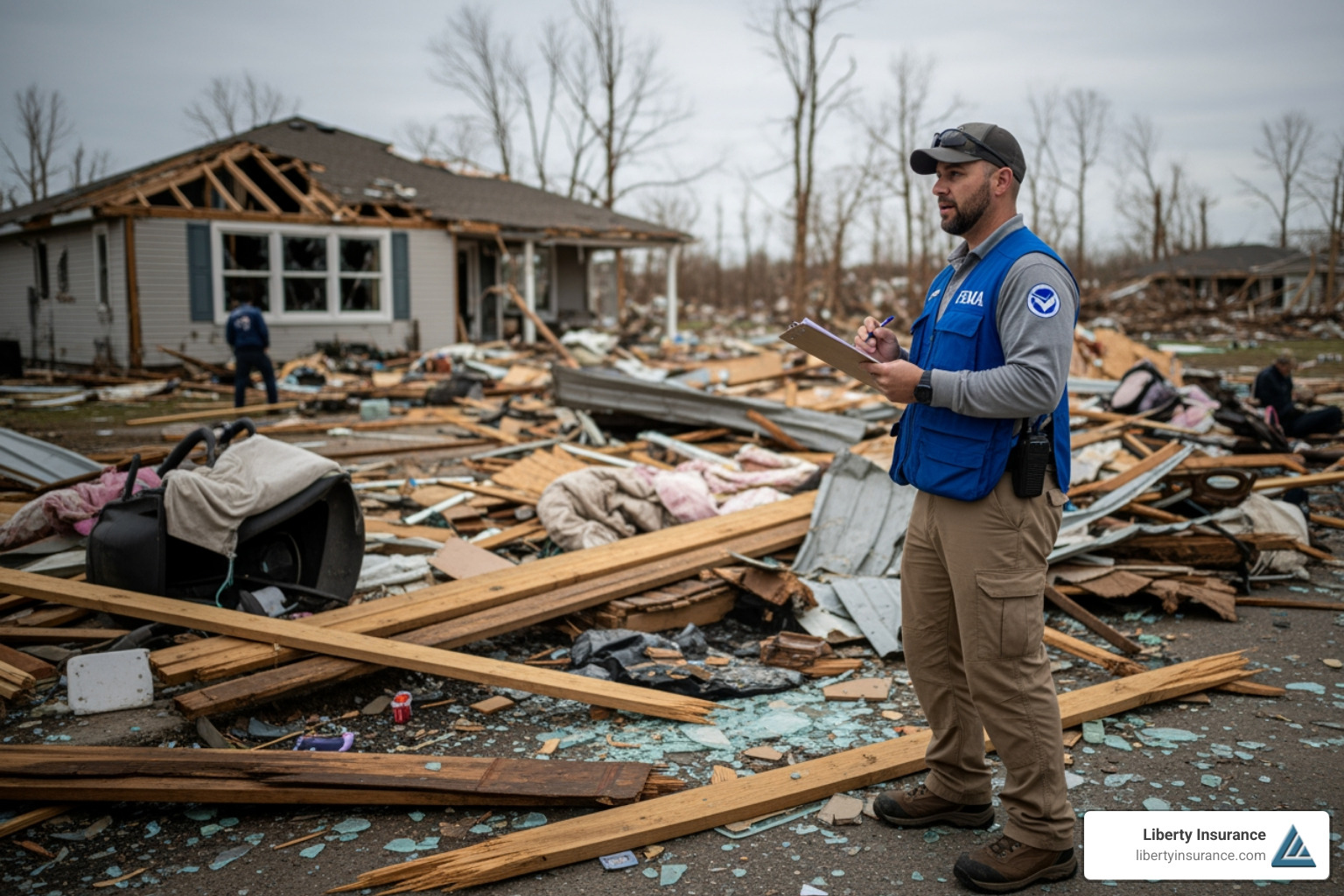
If your losses are not covered by insurance, FEMA may schedule an inspection of your damaged property. A FEMA-contracted inspector will call to schedule a visit. FEMA services are free, so be wary of anyone demanding payment.
The inspector’s role is to verify your identity and document the disaster-related damage to your home and personal property. They do not determine your eligibility or award amount. Be present for the inspection to point out all damages.
Understanding FEMA’s Decision Letter
Within about 10 days after the inspection, you will receive a decision letter by mail or in your online account. Read this letter carefully. It explains FEMA’s decision, the amount of any approved aid, and how the funds must be used. If you are found ineligible, the letter will state the reason, which is crucial information if you choose to appeal.
How to Appeal a FEMA Decision
If you disagree with FEMA’s decision, you have the right to appeal within 60 days of the date on your determination letter. Common reasons for an initial denial include missing documents or a finding that insurance covers the damages.
To appeal, you must submit a signed letter explaining why you believe the decision was incorrect. Your appeal letter should be specific and factual. Clearly state the reasons for your appeal at the top of the letter. For example, “I am appealing the denial of rental assistance” or “I am appealing the amount of the home repair grant.” Then, methodically explain why you disagree with the decision, referencing the supporting documents you are including. Include your full name, disaster number, and FEMA registration number on every page.
A strong appeal is built on evidence. The more documentation you can provide, the better your chances of a successful outcome. Examples of powerful supporting documents include:
- Your insurance settlement or denial letter, with specific sections highlighted that show your unmet needs.
- Detailed, itemized estimates for home repairs from a licensed contractor.
- Receipts for any out-of-pocket expenses related to the disaster, such as hotel stays, cleaning supplies, or minor repairs.
- Photos or videos of the damage that clearly show the extent of your loss.
- A letter from a landlord or a rental agreement if you were denied rental assistance.
If your appeal is complex, you may consider seeking free legal assistance from organizations that often mobilize in disaster areas. Mail your appeal to FEMA, P.O. Box 10055, Hyattsville, MD 20782-8055, or fax it to 800-827-8112. FEMA typically responds to appeals within 90 days.
Staying Informed and Prepared: FEMA Reforms, Scams, and Mitigation
Long-term recovery involves staying informed, avoiding scams, and preparing for the future.
Recent FEMA Reforms and Updates
FEMA is continuously improving its programs. Recent reforms to the Individual Assistance (IA) program as of March 2024 aim to reduce barriers for survivors. Key updates include:
- Serious Needs Assistance: Upfront funds for critical needs like food, water, and shelter.
- Displacement Assistance: Help with immediate housing costs for displaced survivors.
- Simplified Application Process: Streamlined documentation and a more user-friendly application to get aid to survivors in New Jersey and elsewhere more quickly.
Protecting Yourself from Fraud and Rumors
Disasters can attract scammers. Be vigilant against fraud and misinformation.
- Common scams include phony inspectors demanding payment, fake aid offers asking for personal information, and high-pressure repair sales.
- To spot a scam:
- FEMA staff never charge for services or inspections.
- Legitimate FEMA representatives carry official photo ID. Always ask to see it.
- Be skeptical of unsolicited offers.
- Verify information on FEMA’s official rumor and scams page.
Resources for Recovery and Preparedness
FEMA offers resources for long-term recovery and future preparedness.
- Disaster Recovery Centers (DRCs): Get in-person help from FEMA, the SBA, and other agencies. Find a DRC in New Jersey using the FEMA DRC Locator.
- Reconstructing Records: If documents are lost, the IRS offers guidance for reconstructing records for tax and insurance purposes (see Publication 584 for individuals and 584-B for businesses).
- Pre-Disaster Mitigation: Preparing beforehand is the best defense. FEMA’s Hazard Mitigation Grant Program (HMGP) helps communities rebuild stronger. For personal preparedness, visit Ready.gov to learn how to build an emergency kit and create a family plan. Taking proactive mitigation steps can also significantly reduce the impact of future disasters. Consider actions like:
- Elevating your furnace, water heater, and electric panel if you live in a flood-prone area.
- Installing check valves to prevent floodwater from backing up into your home’s drains.
- Securing shelves and water heaters to walls to prevent them from toppling during an earthquake.
- Installing hurricane straps or clips to help keep the roof from blowing off in high winds.
These measures not only protect your property but can sometimes lead to lower insurance premiums—a crucial step for all New Jersey residents.
Frequently Asked Questions about disaster assistance fema
Here are answers to some of the most common questions about disaster assistance fema.
Can I get FEMA assistance if I have insurance?
Yes. However, FEMA cannot duplicate benefits from your insurance. Its purpose is to cover uninsured or underinsured necessary expenses and serious needs. For example, FEMA might provide rental assistance if your homeowner’s policy doesn’t cover temporary lodging. You must file an insurance claim first and provide FEMA with the settlement or denial letter so the agency can determine what gaps federal aid can fill.
Will FEMA assistance affect my Social Security or other government benefits?
No. By law, disaster assistance fema is not considered taxable income. Receiving aid will not affect your eligibility for other federal programs like Social Security, Medicaid, or food stamps (SNAP). You can accept FEMA help without it impacting other benefits.
What if my neighbor got more money from FEMA than I did?
Every survivor’s case is unique, and assistance amounts vary based on several factors. These include the extent of insurance coverage, the level of documented damage, and specific unmet needs. Your neighbor may have had different circumstances or successfully appealed an initial decision. If you feel your award is insufficient, you have the right to appeal within 60 days of your determination letter. Be sure to provide supporting documents to strengthen your case.
Conclusion
The journey to recovery after a disaster can be daunting, but you don’t have to face it alone. FEMA offers vital disaster assistance fema to help individuals, families, and communities in New Jersey and across the nation get back on their feet. Accessing this aid requires diligent action, but preparedness is your most important line of defense.
Private insurance is your primary financial resource for recovery. For businesses, robust commercial property insurance is essential. Liberty Insurance provides customizable commercial property insurance to protect physical assets like equipment and inventory from disasters, offering a crucial layer of protection that complements federal aid.
Don’t wait for the next disaster. Review your insurance coverage and create a preparedness plan today. We’re here to help you steer the complexities of disaster recovery and ensure you have the protection you need.

