
Why Understanding Disability Rights Matters in New Jersey
Disability affects approximately 1 in 6 people worldwide—that’s 1.3 billion individuals. If you’re looking to apply for disability benefits in New Jersey, you have three main options:
Quick Guide to NJ Disability Benefits:
- NJ Temporary Disability Insurance (TDI) – Short-term benefits for workers temporarily unable to work due to a non-work-related illness or injury.
- Social Security Disability Insurance (SSDI) – Federal benefits for those with long-term disabilities and a qualifying work history.
- Supplemental Security Income (SSI) – Federal benefits for disabled individuals with limited income and resources.
The application process typically takes:
- NJ TDI: Several weeks
- SSDI: 3-6 months for an initial decision
- Appeals: Can extend over a year
This guide breaks down everything you need to know about disability rights, benefits, and the application process in New Jersey. We’ll explore what disability means, how society has evolved, and how to steer the system to get the support you’re entitled to.
Understanding disability is crucial because it results from the interaction between a person’s health condition and the barriers they face in society. Whether you’re dealing with a physical injury, chronic illness, or mental health condition, knowing your rights protects you from discrimination and ensures access to necessary accommodations and benefits.
As Andrew Harris, I’ve spent years helping New Jersey residents and business owners understand their insurance and benefit options. My experience with community organizations has shown me how crucial proper guidance is when navigating these complex systems.
Understanding Disability: Definitions, Types, and Terminology
When we talk about disability, we’re discussing a nuanced part of the human experience that touches on identity, society, and human rights. It’s not just about a medical condition; it’s about how a person interacts with the world around them.
Defining Disability
Historically, disability has been viewed through different lenses.
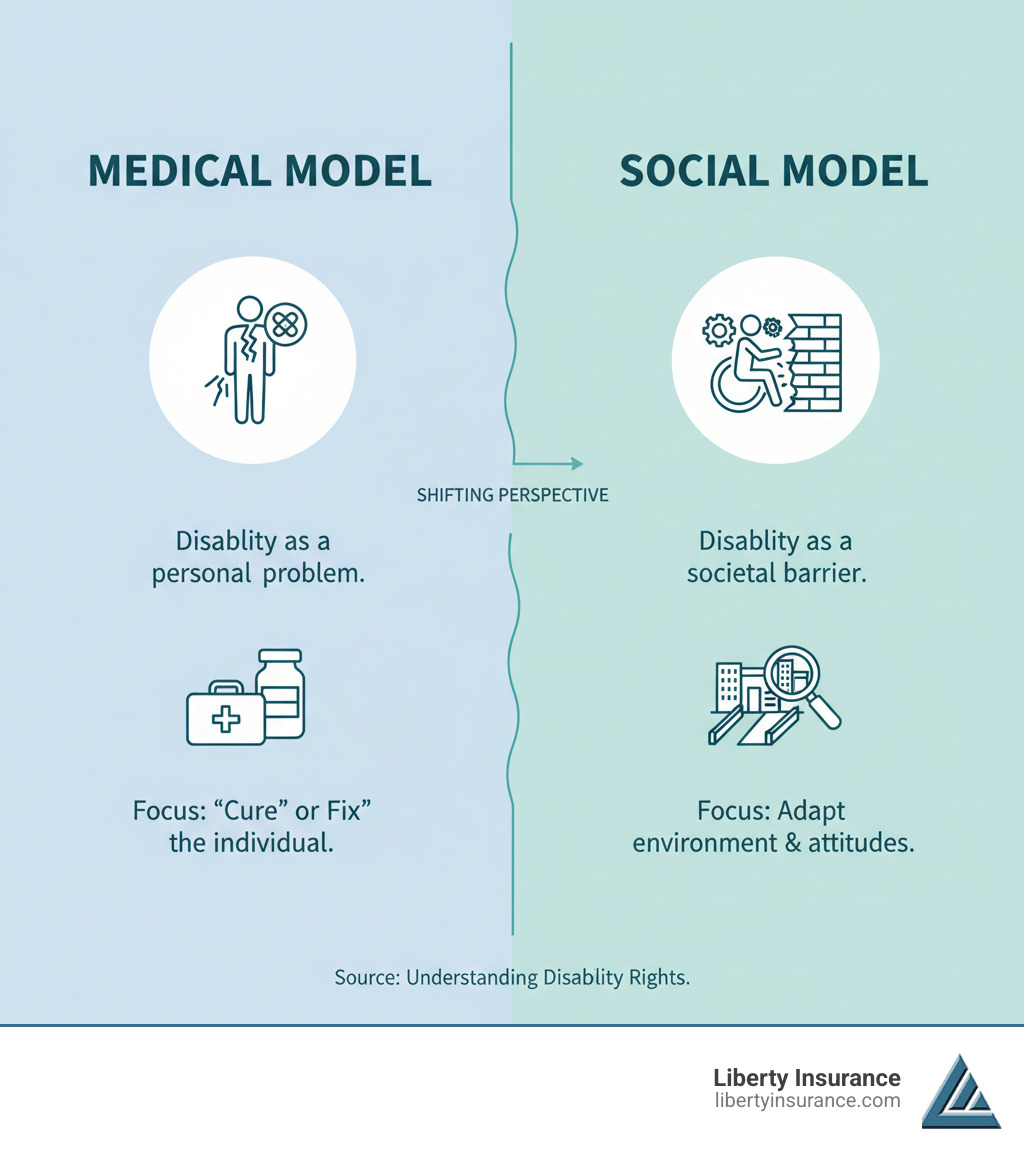
- The Medical Model sees disability as a problem within an individual that needs to be fixed or cured. The focus is on treatment and rehabilitation.
- The Social Model argues that disability is created by societal barriers. A person using a wheelchair is disabled by buildings without ramps, not by their mobility impairment. This shift in understanding, as explored in Perspectives on the Meaning of “Disability”, has profound implications.
- The Biopsychosocial Model combines these views, acknowledging that disability arises from biological, psychological, and social factors.
The UN Convention on the Rights of Persons with Disabilities defines disability as including “long-term physical, mental, intellectual or sensory impairments which in interaction with various barriers may hinder a person’s full and effective participation in society on an equal basis with others.”
Types of Disabilities
Disability is incredibly diverse. Conditions can be present from birth, result from an accident, or develop over time.
- Physical disabilities affect mobility, dexterity, or physical functioning.
- Cognitive disabilities influence mental processes like thinking, learning, and memory.
- Sensory disabilities involve one or more of the senses, such as vision or hearing.
- Developmental disabilities begin in childhood and affect physical, learning, or behavioral development (e.g., Autism Spectrum Disorder).
- Intellectual disabilities involve limitations in intellectual functioning and adaptive behavior.
- Mental disabilities are health conditions affecting emotion, thinking, or behavior, such as depression or anxiety disorders.
- Invisible Disabilities (or Hidden Disabilities) are conditions not immediately obvious to others, like chronic pain, diabetes, or epilepsy. This invisibility can create unique challenges, as others may doubt the reality of the person’s experience.
- Episodic disabilities fluctuate, with periods of wellness alternating with times of significant impairment (e.g., multiple sclerosis).
The Language of Disability
Words matter. The language we use shapes attitudes and actions.
- People-First Language puts the person before the condition (e.g., “a person with a disability”). This emphasizes their humanity beyond their diagnosis.
- Identity-First Language treats the disability as an integral part of a person’s identity (e.g., “disabled person”). Many in the disability community prefer this, as it aligns with the social model and disability pride.
Preferences vary, so the best approach is to ask what an individual prefers. Language evolves, and terms like “handicapped” or “crippled” are now considered outdated and offensive because they carry negative baggage. The goal is to use language that shows respect and recognizes dignity.
A Look Back: The History of Disability and the Fight for Rights
Understanding the history of disability reveals a long and complex journey from marginalization to a fight for civil rights.
Historical Perspectives
Views on disability have varied dramatically throughout history. In antiquity, attitudes were mixed. While some cultures practiced abandonment, archaeological evidence, such as the findy of a teen with spina bifida at the Windover Site, shows that care and support also existed. Research into Disability and Infanticide in Ancient Greece highlights these complex historical realities.
During the Middle Ages and Renaissance, disability was often viewed through a religious lens, seen as either a divine punishment or a blessing. Care was typically provided by families or religious institutions. However, this era was also marked by superstition and fear.
The 18th and 19th centuries saw the rise of large institutions like asylums and poorhouses. While intended to provide care, they often isolated people with disabilities from society, stripping them of their autonomy. This period also introduced the statistical concept of “normalcy,” which labeled those who deviated from the average as “abnormal.” This thinking fueled the eugenics movement, which led to forced sterilizations and, in its most horrific form, the systematic murder of disabled people by Nazi Germany.
The Disability Rights Movement
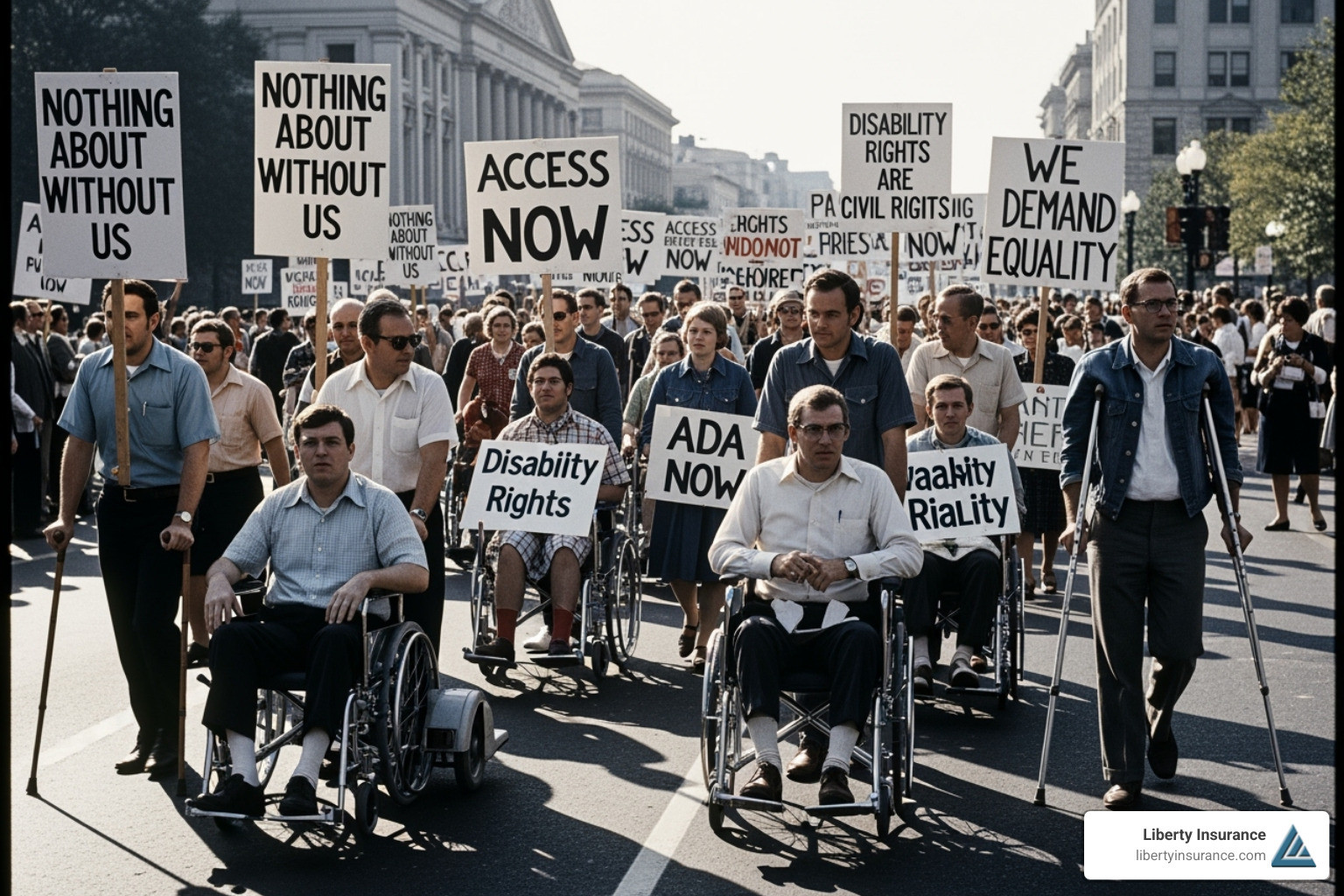
The mid-20th century marked a turning point with the birth of the disability rights movement. The slogan “Nothing About Us Without Us” became a powerful rallying cry, demanding that disabled people be included in decisions that affect their lives.
Activists organized, protested, and fought against discrimination. They staged sit-ins, blocked inaccessible buses, and challenged unjust laws. They were fighting for the fundamental right to participate in a society that had long excluded them.
This activism culminated in the passage of the Americans with Disabilities Act (ADA) in 1990. This landmark civil rights legislation prohibited discrimination against individuals with disabilities in employment, public accommodations, transportation, and more. The ADA mandated that society remove barriers and provide reasonable accommodations, shifting the focus from individual limitation to societal responsibility.
While the fight for full inclusion continues, the ADA and the global disability rights movement have fundamentally changed the landscape, reframing disability as a matter of human diversity and civil rights.
A Practical Guide to Securing Disability Benefits in New Jersey
When a disability affects your ability to work, financial stress can be overwhelming. New Jersey residents have several programs available, but navigating them can be a challenge. This guide will walk you through the process step by step.

Distinguishing Program Types
Choosing the right program depends on your work history, the duration of your disability, and your financial situation.
- New Jersey Temporary Disability Insurance (NJ TDI): This state-run program provides short-term benefits if you’re temporarily unable to work due to a non-work-related illness or injury. To qualify, you must have sufficient work history in New Jersey. It’s designed for situations where you are expected to return to work.
- Social Security Disability Insurance (SSDI): This federal insurance program is for individuals with a long-term disability. You qualify based on having earned enough “work credits” by paying Social Security taxes. The Social Security Administration (SSA) requires that your condition prevents you from engaging in “Substantial Gainful Activity” for at least a year.
- Supplemental Security Income (SSI): This federal program is for disabled adults and children with limited income and resources, regardless of work history. Eligibility is based on strict financial limits on income and assets, in addition to meeting the medical definition of disability.
The Application Process
Patience and organization are key to a successful application.
- Gather Your Documents: Before you start, collect your Social Security number, birth certificate, contact information for all medical providers, medication lists, and a detailed work history.
- Compile Medical Evidence: Your claim’s success hinges on your medical records. Ensure your doctors document not just your diagnosis but also your functional limitations—how your condition affects your ability to perform daily tasks and work.
- Complete the Application: Apply for NJ TDI through the NJ Department of Labor website. For SSDI and SSI, apply online at the SSA’s website, by phone, or at a local office. Be thorough and honest, as this information is the foundation of your claim.
What to Expect After Applying
- NJ TDI: Decisions are typically made within a few weeks.
- SSDI and SSI: The initial decision usually takes three to six months. Your case is reviewed by a state agency, Disability Determination Services (DDS). Most initial applications are denied, often due to insufficient evidence. A denial is not the end of the road.
- The Appeals Process: If denied, you have 60 days to appeal. The process involves several stages: Reconsideration, a Hearing before an Administrative Law Judge (ALJ), the Appeals Council, and finally, federal court. The hearing stage offers the best chance of approval, but the entire appeals process can take over a year.
Your Rights and Responsibilities
- You have the right to representation. An experienced disability attorney can significantly increase your chances of approval, especially on appeal. Most work on contingency, meaning they only get paid if you win.
- You have the right to appeal any denial and the right to a fair hearing.
- You must provide accurate information and report any changes in your condition, work activity, or income to the appropriate agency.
Financial Support Beyond the Basics
Disability benefits often don’t cover all living expenses. Look into other programs that can help:
- Housing Assistance: Programs like the Housing Choice Voucher Program (Section 8) and public housing can help with affordable housing.
- SNAP (Supplemental Nutrition Assistance Program): Provides monthly benefits to purchase food.
- Healthcare: SSDI recipients become eligible for Medicare after a 24-month waiting period. SSI recipients typically qualify for Medicaid (NJ FamilyCare) automatically. Depending on income, some SSDI recipients may also qualify for Medicaid.
Overcoming Barriers and Understanding Your Rights with a Disability
Living with a disability often means navigating a world not built for you. Understanding societal barriers and your rights is key to achieving equity.
Societal Barriers
Despite progress, significant barriers remain:
- Ableism: A system of prejudice against people with disabilities, based on the belief that typical abilities are superior. It can be conscious or unconscious, embedded in our culture and institutions. Ableism can manifest as overt discrimination, but it more often appears in subtle ways, such as microaggressions (“You’re too smart to be disabled,” or “I don’t even think of you as disabled”), or through systemic policies that assume a non-disabled default, creating exclusionary environments.
- Stigma: The social stigma around disability, especially mental health conditions, can lead to isolation, stereotypes, and discrimination.
- Employment Discrimination: Despite the ADA, people with disabilities face significantly higher unemployment rates due to discrimination in hiring, pay, and promotion. This discrimination can be subtle, such as making assumptions about a candidate’s ability to perform a job. The ADA requires employers to provide “reasonable accommodations” for qualified employees with disabilities. This can include modified work schedules, providing accessible technology like screen readers, or reassigning non-essential job duties. The Equal Employment Opportunity Commission (EEOC) enforces these protections. Employers must engage in an “interactive process” to find a suitable accommodation and cannot deny one unless it poses an “undue hardship”—a significant difficulty or expense.
- Inaccessible Environments: Physical spaces, public transit, and digital platforms (websites, software) that are not designed inclusively create barriers that prevent full participation in society.
Health Equity
People with disabilities face significant health inequities, often dying up to 20 years earlier than those without disabilities. They are also at higher risk for comorbid conditions like depression, diabetes, and stroke. These disparities are not caused by the disability itself but by systemic barriers. This includes inaccessible medical equipment (e.g., exam tables that don’t lower), lack of communication access for Deaf or hard-of-hearing patients, and “diagnostic overshadowing,” where a healthcare provider incorrectly attributes new symptoms to a person’s existing disability. These barriers prevent access to routine screenings and preventative care, leading to worse health outcomes.
The World Health Organization (WHO) addresses these issues in its Global report on health equity for persons with disabilities, calling for health systems to be inclusive and accessible to all.
The Role of Technology and Accessibility
Technology is a powerful tool for breaking down barriers:
- Assistive Devices: Wheelchairs, screen readers, and prosthetic limbs improve independence and participation.
- Web Accessibility (WCAG): The Web Content Accessibility Guidelines provide standards to ensure websites are usable by people with disabilities.
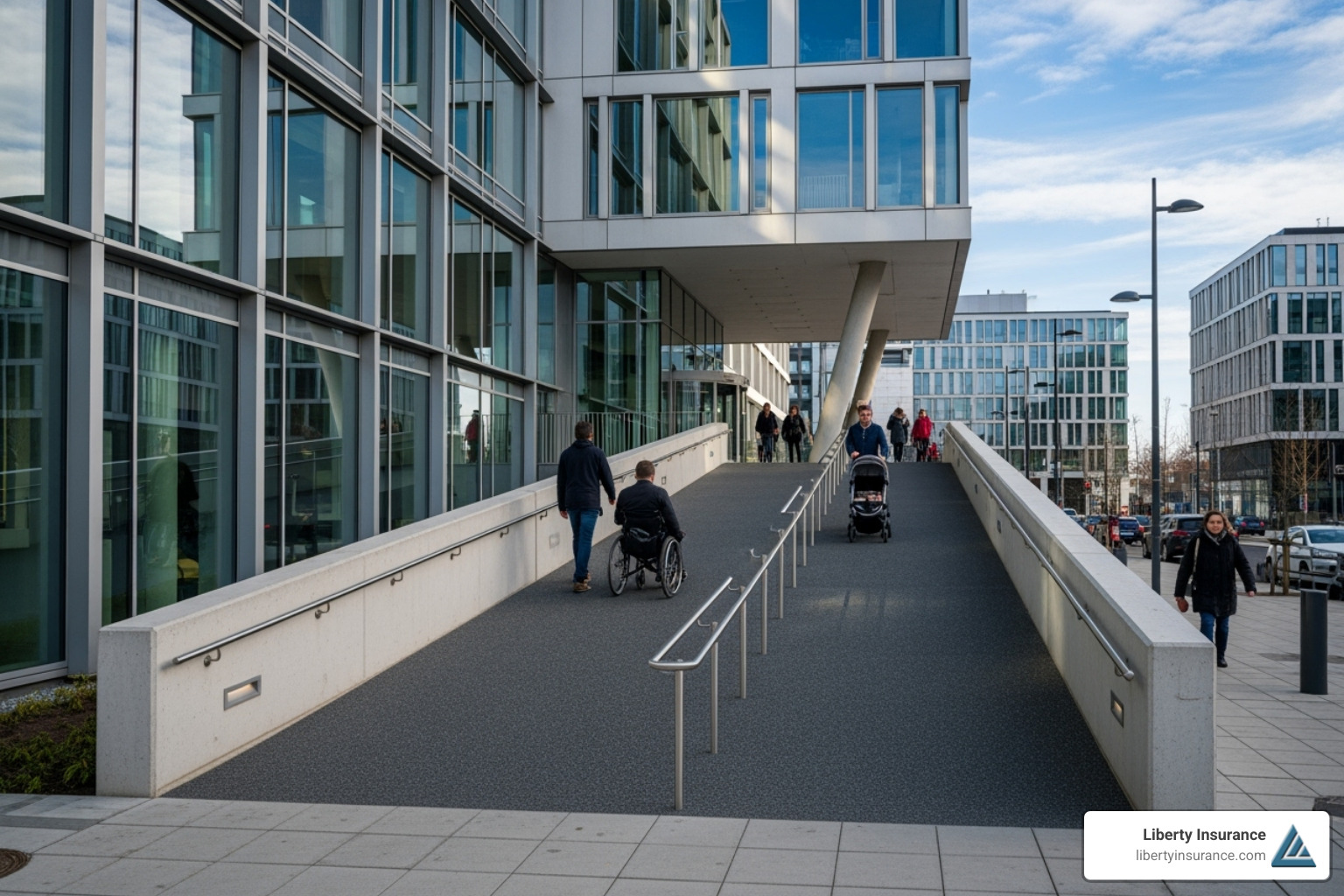
- Universal Design: This approach involves designing environments and products to be usable by everyone from the start, such as adding curb cuts, ramps, and automatic doors.
The Impact of a Disability on Daily Life
Living with a disability affects many aspects of life:
- Psycho-emotional Dimensions: Chronic pain, cognitive challenges, and societal stigma can contribute to frustration, isolation, and higher rates of mental health conditions. These Psycho-Social Problems faced by Persons with Disability are a critical part of the experience.
- Social and Financial Strain: Inaccessible environments can lead to social isolation. Lower employment rates and high costs for medical care create significant financial burdens.
- Housing and Transportation: Finding affordable, accessible housing and transportation remains a major challenge, limiting independence and access to community life.
Intersectionality: When Disability Meets Other Identities
Disability intersects with other identities like race, gender, and socioeconomic status, often compounding discrimination. For example, as explored in Feminist Disability Studies, disabled women may face double discrimination based on both gender and disability. Similarly, a person of color with a disability may encounter compounded barriers in healthcare, where both racial bias and assumptions about their disability can lead to misdiagnosis or dismissal of their symptoms. Acknowledging this intersectionality is crucial for creating equitable policies that address the complex, unique challenges faced by all individuals with disabilities, ensuring that support systems are designed for everyone, not just a select few.
Frequently Asked Questions about Disability Benefits in NJ
Here are answers to some of the most common questions about disability benefits in New Jersey.
Can I work while receiving disability benefits in New Jersey?
Yes, but the rules depend on the program.
SSDI (Social Security Disability Insurance): The SSA offers “work incentives” to help you return to work. The Trial Work Period (TWP) allows you to earn any amount for nine months without affecting your benefits. After the TWP, if your earnings exceed the Substantial Gainful Activity (SGA) limit ($1,550/month in 2024 for non-blind individuals), your benefits may stop. There is also a 36-month safety net period where you can receive benefits for any month your earnings fall below the SGA limit.
SSI (Supplemental Security Income): You can work, but your earnings will reduce your SSI benefit. However, the SSA does not reduce your benefit dollar-for-dollar, so you will always have more income overall when you work. Certain work incentives can also help protect your benefits.
NJ TDI (New Jersey Temporary Disability Insurance): This program is for periods when you are unable to work. Generally, you cannot work while receiving TDI benefits, as the program is designed to replace lost wages. Your benefits will stop once you return to work.
Crucially, you must report all work activity and earnings to the appropriate agency immediately to avoid overpayments and penalties.
What’s the difference between Social Security Disability (SSDI) and Supplemental Security Income (SSI)?
Although both are managed by the SSA and use the same medical definition of disability, they are for different situations.
SSDI is an insurance program. Your eligibility is based on having a sufficient work history where you paid Social Security taxes. Your benefit amount is calculated from your average lifetime earnings. Your current assets and unearned income do not affect eligibility. SSDI recipients become eligible for Medicare after a waiting period.
SSI is a needs-based program. It is for disabled individuals with very limited income and resources, regardless of work history. There are strict financial limits on what you can earn and own. The benefit amount is a standard federal rate, which can be reduced by other income. SSI recipients are typically eligible for Medicaid immediately.
In short: SSDI is based on your work history, while SSI is based on your financial need. Some people with a work history but very low SSDI payments may qualify for both.
How long does it take to get approved for disability benefits in NJ?
The timeline varies significantly by program.
NJ TDI: This is the fastest process, with decisions typically made within a few weeks.
SSDI and SSI: Be prepared for a long wait. The initial application process usually takes three to six months. If your application is denied, as most are, the appeals process can extend the timeline significantly. The first appeal (Reconsideration) adds another few months. If you need a hearing before a judge, it can take a year or more just to get a hearing date. The entire process from initial application to a final decision after appeals can easily take over two years.
These long waits make it vital to apply as soon as you become disabled and to submit a thorough, well-documented application from the start.
Conclusion
We’ve covered a lot of ground, from defining what disability means to navigating the benefit application process in New Jersey. The key takeaway is that disability is a natural part of the human experience, and understanding your rights is the first step toward empowerment.
The journey to securing benefits can be long and frustrating, but remember: support is available, and you are not alone. Advocates, attorneys, and community organizations in places like Millstone Township, Trenton, Toms River, New Brunswick, and Princeton are part of a network that can help.
For business owners, this conversation is just as critical. An unexpected disability affecting you or a key employee can disrupt your entire operation, causing financial and logistical strain. Just as individuals need a safety net, your business needs protection too.
At Liberty Insurance, we help safeguard your business’s physical assets—the equipment, inventory, and buildings you rely on—against unforeseen events like fire, theft, or natural disasters. Protecting your hard work allows you to focus on running your business and caring for your team. We believe in a society where everyone, including people with disabilities, has the opportunity to thrive. By understanding rights, using available resources, and advocating for inclusion, we can build a more equitable New Jersey for all.

