
Why Every Business Needs an Equipment Protection Plan
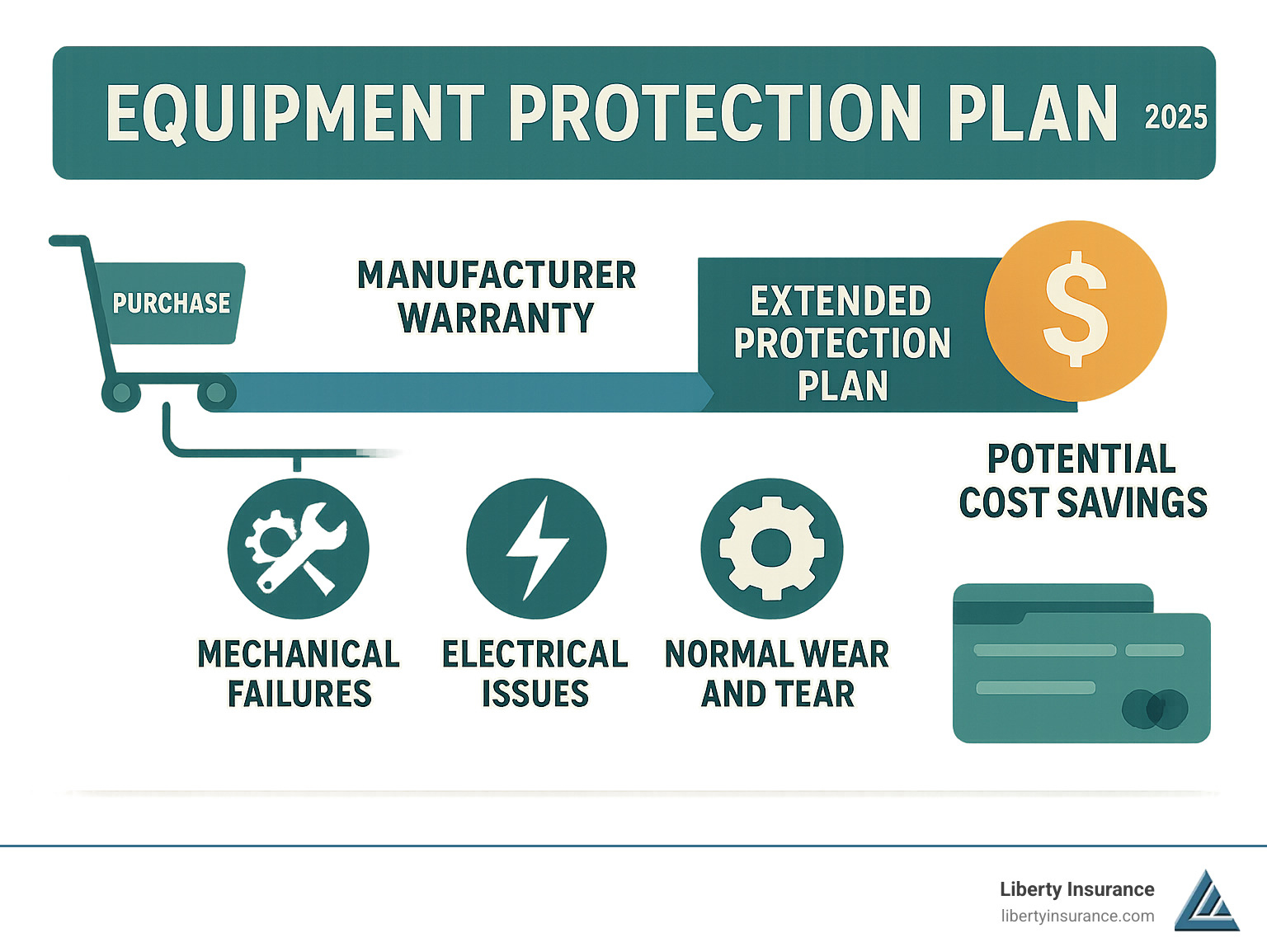
An equipment protection plan is an extended service contract that provides coverage for mechanical failures, electrical issues, and sometimes accidental damage beyond your manufacturer’s warranty period. Unlike basic warranties that only cover defects for 1-2 years, these plans protect your investment for 2-5 additional years against normal wear and tear, power surges, and operational breakdowns.
Quick Equipment Protection Plan Overview:
- What it covers: Mechanical/electrical failures, normal wear and tear, sometimes accidental damage
- Duration: Typically 2-5 years of extended coverage
- Cost: Usually 10-20% of equipment value, paid upfront or monthly
- Benefits: Predictable repair costs, minimal downtime, certified repairs
- Best for: High-value equipment like construction machinery, medical devices, power tools
As one construction company president noted: “It allows us to have a safety net. It minimizes our downtime and increases our profitability.”
The reality is stark – equipment failures happen at the worst possible times. Your bulldozer breaks down during a critical project. Your medical equipment fails during peak patient hours. Your power tools stop working when you’re racing to meet a deadline.
Without protection, a single major repair can cost thousands of dollars and weeks of downtime. It’s no surprise that for many types of heavy machinery, a majority of units sold in North America include an equipment protection plan. Smart business owners recognize these plans as essential risk management tools.
Equipment protection plans differ from insurance in a crucial way. While insurance covers external disasters like theft (over $1 billion in construction equipment is stolen annually), fire, and floods, protection plans handle the internal breakdowns that insurance won’t touch.
I’m Andrew Harris, a Certified Insurance Counselor with extensive experience helping businesses steer equipment protection strategies through my work at Liberty Insurance. Having guided countless clients through equipment protection decisions, I’ve seen how the right protection plan can save businesses from unexpected financial strain and operational disruptions.
What Is an Equipment Protection Plan and What Does It Cover?
An equipment protection plan is an extended service contract or service agreement that provides coverage after your original manufacturer’s warranty expires.
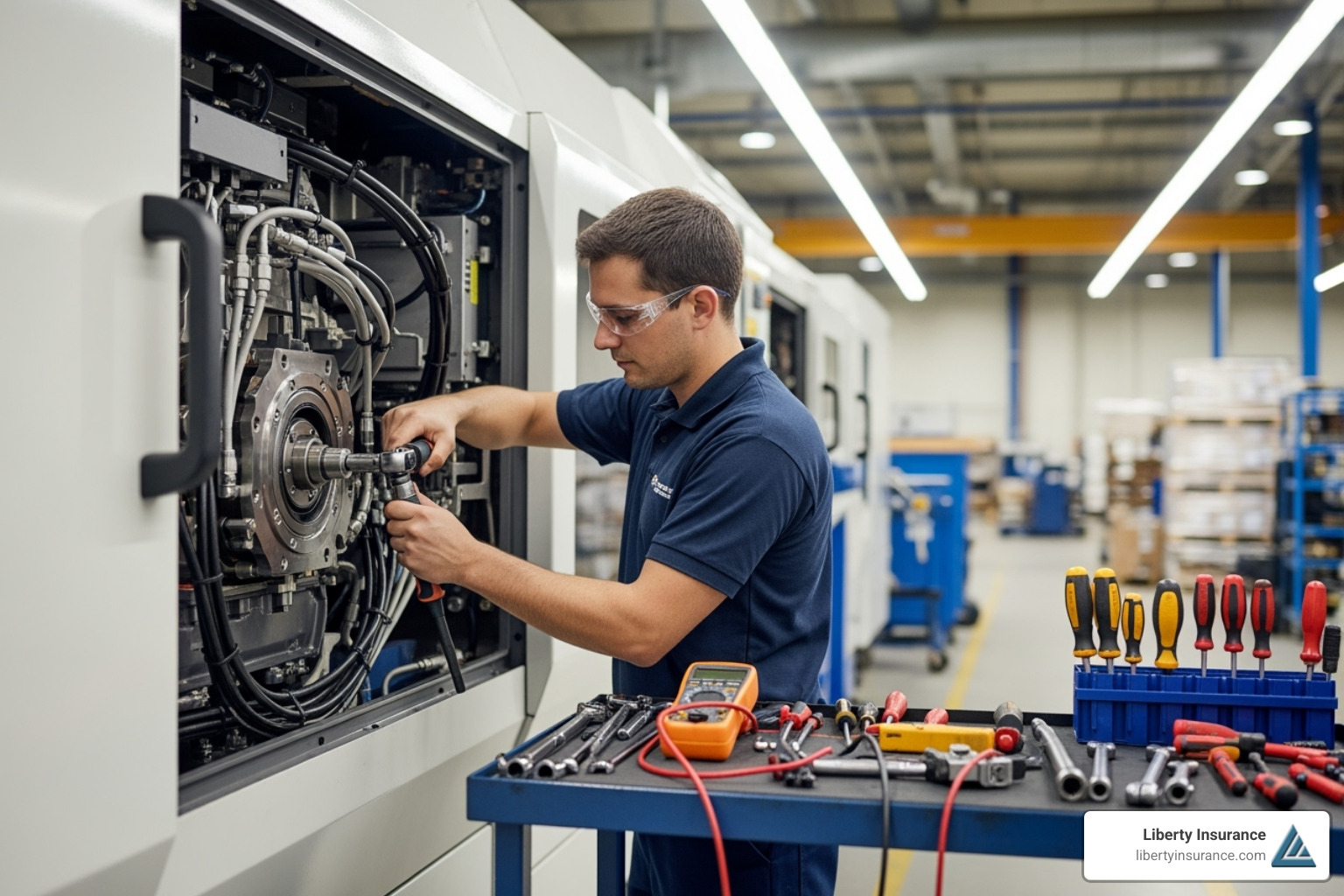
At its core, an equipment protection plan covers unexpected mechanical and electrical failures. Many plans also cover normal wear and tear—the gradual degradation that results from everyday use and eventually leads to a breakdown. This isn’t about accidental damage; it’s about the expected, yet unpredictable, failure of components like seals, gaskets, bushings, and bearings that simply wear out over hundreds or thousands of hours of operation.
Plans often cover defects in material or workmanship that surface after the factory warranty is gone. For instance, some plans focus on manufacturing defects, while others may also protect against failures from power surges or normal aging.
Types of Equipment Typically Covered
Equipment protection plans are versatile and can cover a wide range of valuable assets across many different industries. Think about:
- Heavy construction machinery like bulldozers, excavators, and wheel loaders
- Agricultural equipment, from tractors and combines to sprayers and balers
- Commercial vehicles, like trucks, trailers, and vans
- Medical and lab equipment, such as MRI machines, ultrasound devices, or diagnostic tools
- Power tools like industrial-grade drills, saws, and grinders
- Restaurant and food service equipment, including commercial ovens, refrigerators, and mixers
- IT and office infrastructure, such as servers, network switches, and large-format printers
- Manufacturing and fabrication tools, like CNC machines, lathes, and welding equipment
- Consumer electronics, including TVs and laptops
- Home appliances like refrigerators and washers
Essentially, if it has mechanical parts or runs on electricity and its failure would disrupt your business, a protection plan can likely cover it.
Understanding Different Tiers of an equipment protection plan
Equipment protection plans typically come in different “tiers” or levels of coverage, allowing you to choose a plan that fits your budget and risk tolerance.
For heavy machinery, you’ll often see a few common tiers:
- Powertrain only: This basic tier protects the core components that make equipment function, such as the engine, transmission, and drive system. These plans may cover over 50 essential parts but will exclude everything else.
- Powertrain + Hydraulics: This next level adds coverage for hydraulic systems—the pumps, motors, and cylinders that are critical for lifting and digging operations on many heavy machines.
- Powertrain + Hydraulics + Technology: For modern smart equipment, this tier includes the above plus protection for advanced computer systems, GPS units, sensors, and other tech features that are increasingly common and expensive to repair.
- Premier/Comprehensive plans: These top-tier options offer the widest range of protection, often covering most electrical components, air conditioning systems, and even some structural parts.
It’s vital to understand what is not included in lower tiers. For example, a Powertrain-only plan for a tractor will cover the engine but will explicitly exclude the air conditioning system, GPS navigation, and hydraulic components. It’s crucial to match the tier to the components most critical to your operations.
Many plans also offer optional accidental damage protection. This is a valuable addition for portable electronics or any equipment prone to unexpected dings and drops. Another key feature to look for is a zero deductible option. This means you won’t have any out-of-pocket costs when making a claim, which simplifies the repair or replacement process. Knowing your options helps you make a smart choice that truly guards your valuable investments.
Protection Plans vs. Warranties vs. Insurance: Knowing the Difference
It’s easy to confuse equipment protection plans, warranties, and insurance. However, understanding their distinct roles is crucial for comprehensive coverage. Think of them as different layers of protection for your business assets, each designed to cover different risks.

Manufacturer’s Warranty
A manufacturer’s warranty is the foundational layer of protection included with a new product at no extra cost. It is the manufacturer’s promise that the item is free from defects in materials and workmanship for a specified period.
These warranties typically last for a limited time, often just one or two years. For example, new heavy machinery may come with a 12- or 24-month warranty. This initial coverage is narrow, addressing only issues that are the manufacturer’s fault. It does not cover accidental damage, normal wear and tear, or external disasters.
For comprehensive business asset protection, including the physical assets like equipment that a warranty initially protects, we also consider commercial property insurance. More info about Business Property Insurance.
Equipment Protection Plan
An equipment protection plan (EPP) extends protection long after the manufacturer’s warranty expires. Often more comprehensive than a simple extended warranty, an EPP picks up where the standard warranty leaves off. It covers issues like mechanical and electrical failures and, frequently, the normal wear and tear from regular use.
An EPP is an optional purchase, designed to handle internal breakdowns and operational failures. For example, some plans cover failures due to manufacturer defects, power surges, or normal wear and tear, adding another two to three years of coverage. They protect you from unexpected repair costs caused by defects in material or workmanship long after the standard warranty is gone.
It’s also important to distinguish between an EPP and a manufacturer’s own “extended warranty.” While similar, an EPP from a third-party provider may offer broader coverage terms, more flexibility, or cover a wider range of equipment from different brands under a single plan, whereas a manufacturer’s extension is typically limited to their own products.
An equipment protection plan is a fantastic way to protect against the operational risks of your equipment failing. To understand how these plans help mitigate financial damage, you might also consider what equipment damage insurance covers. More info about Equipment Damage Insurance.
Business and Equipment Insurance
Business and equipment insurance is the final layer, protecting your equipment from major external perils. This coverage is for unexpected, catastrophic events unrelated to the equipment’s normal operation or inherent defects. This includes things like:
- Theft: This is a significant concern for many businesses. Up to $1 billion worth of construction equipment is stolen each year. With numbers like that, robust insurance is a must-have. Up to $1B worth of construction equipment stolen each year.
- Fire: A devastating event that can quickly destroy valuable machinery.
- Vandalism: Intentional damage to your property.
- Floods and other natural disasters: These are often called “Acts of God” and are typically excluded from EPPs, but they’re exactly what insurance is designed to cover.
- Collisions: Accidents on the road or on the job site.
Unlike an EPP, insurance also often covers liability, protecting you if your equipment causes injury or property damage. It’s crucial to remember that most equipment protection plans explicitly state they are not insurance and do not cover liability. Physical damage insurance specifically covers losses from these types of external events.
Here’s a quick comparison to help clarify the distinctions:
| Feature | Manufacturer’s Warranty | Equipment Protection Plan | Business & Equipment Insurance |
|---|---|---|---|
| Coverage Scope | Defects in materials & workmanship | Mechanical/electrical failures, wear & tear | External perils (theft, fire, flood, collision) |
| Cost | Included with purchase | Optional purchase, additional cost | Ongoing premiums |
| Duration | Limited (e.g., 1-2 years) | Extended (e.g., 2-5 years post-warranty) | Continuous (as long as premiums are paid) |
| Primary Purpose | Manufacturer’s guarantee | Minimize repair costs, extend operational life | Protect against catastrophic loss, liability |
Weighing the Pros and Cons: Is a Plan Worth Your Investment?
Deciding whether an equipment protection plan is a worthwhile investment is a crucial part of risk assessment and financial planning for any business owner. For high-value assets, the decision requires a careful cost-benefit analysis: is it better to face a potential repair bill and downtime, or budget for a predictable, upfront cost?
Key Benefits of Protection Plans
The advantages of an equipment protection plan are substantial, especially for businesses that rely heavily on their machinery:
- Peace of mind: Knowing that unexpected breakdowns won’t derail your budget or operations allows you to focus on running your business. As many providers state, their plans aim to provide customers with this benefit.
- Predictable repair costs: EPPs help convert variable, unpredictable repair costs into a manageable, budgeted line item. This helps hedge against inflation by locking in parts and labor costs upfront.
- Minimized downtime: When equipment breaks, it’s not earning money. A swift repair or replacement facilitated by a protection plan means less idle time. Imagine a landscaping company’s primary excavator breaks down in peak season. Without a plan, they face a multi-day search for a qualified mechanic, waiting for parts to be ordered, and an uncertain repair bill. With an EPP, one call dispatches a certified technician, often with pre-approved parts, turning a week of lost revenue into a one or two-day hiccup.
- Increased profitability: By minimizing downtime and controlling repair costs, your equipment stays productive for longer, directly contributing to your bottom line.
- Higher equipment resale value: Many EPPs are transferable to a new owner, which can significantly improve the resale value of your asset. A machine under a protection plan is a much more attractive purchase.
- Access to certified technicians and genuine parts: Reputable plans often ensure that repairs are performed by factory-trained technicians using OEM (Original Equipment Manufacturer) parts, maintaining the integrity of your equipment.
- No deductibles or hidden fees: Many plans boast no deductibles, meaning no out-of-pocket costs when you file a claim.
These benefits collectively contribute to business continuity. For more on protecting your operations from interruptions, consider exploring business interruption insurance. More info about Business Interruption Insurance.
Potential Downsides and Common Exclusions
While EPPs offer robust coverage, it’s crucial to understand their limitations to manage expectations. The primary consideration is the upfront cost, which requires a careful calculation: weigh the certain cost of the plan against the potential, uncertain cost of a major repair plus the financial impact of downtime.
Here are some common exclusions:
- Misuse and abuse: Plans typically exclude damage from improper use, such as operating a machine beyond its stated capacity, or intentional abuse.
- Improper maintenance: Neglecting routine maintenance can void coverage. If the manufacturer recommends a hydraulic fluid change every 1,000 hours and your logbooks show it was never done, a resulting hydraulic pump failure will likely be denied. Diligent record-keeping of maintenance is your best defense.
- Cosmetic damage: Scratches, dents, peeling paint, and other aesthetic issues that don’t affect the equipment’s functionality are typically not covered.
- Consumable parts: Items designed for regular replacement are generally excluded. This includes tires, tracks, filters, batteries, belts, blades, brake pads, and fluids.
- Acts of God: Damage from natural disasters like floods, fires, or earthquakes is typically excluded, as this falls under the purview of property or equipment insurance.
- Unauthorized repairs: Attempting to fix the equipment yourself or using an unapproved service provider could invalidate your plan.
- Theft or loss: Most EPPs do not cover theft or mysterious disappearance. This is usually covered by business insurance, though some plans may have specific requirements like a police report in case of theft.
It’s always wise to thoroughly review the terms and conditions of any plan before purchasing to understand all exclusions.
Navigating Your Plan: From Purchase to Claim
Once you’ve decided on an equipment protection plan, the process from purchase to a potential claim is straightforward if you know the steps.
Purchasing a Plan and Coverage Timeline
The easiest time to buy an EPP is at the point of sale. Some providers require you to purchase the plan at the same time as the item. However, many providers are more flexible, allowing you to add coverage for several months after the initial purchase. This gives you time to assess your budget and risk.
The main parts and labor coverage typically begins the day the manufacturer’s warranty expires, ensuring there are no gaps in protection. Some ancillary benefits, however, might start sooner. For example, a plan might become active 30 days after the purchase date.
The coverage period typically extends for 2 to 5 years. A key business benefit is that many plans are transferable. Transferring the plan to a new owner can significantly boost your equipment’s resale value. Check with the provider, as some transfers may have regional restrictions or a small administrative fee.
How to Choose the Right Equipment Protection Plan Provider
Not all EPPs are created equal. When selecting a provider, consider these factors:
- Reputation and Financial Stability: Is the plan backed by a reputable insurance company with a strong financial rating (e.g., an A.M. Best rating)? This ensures they have the financial strength to pay claims for years to come.
- Clarity of Terms: Read the contract carefully. Are the terms, conditions, and exclusions clearly stated and easy to understand? Avoid plans with vague language.
- Service Network: Do they have a large network of certified technicians in your area? This is crucial for fast service and minimizing downtime.
- Customer Reviews: What are other businesses saying about their claim process and customer service? Look for reviews on third-party sites.
- Flexibility: Do they offer different tiers or customizable options to fit your specific needs and budget?
Costs and Claim Process for an equipment protection plan
Costs vary, with options for a one-time upfront fee or monthly payments. For mobile devices, monthly plans are common. Generally, the cost is based on the product’s value and the length of coverage.
When you need to file a claim, most providers offer a streamlined process. You can typically get help through online portals for digital claim submission and tracking, or via phone support to speak with a representative.
To ensure a smooth process, have the following information ready: your contract or plan number, the make, model, and serial number of the equipment, a detailed description of the problem (what happened, when it happened, any error codes), and your maintenance logs. You’ll also need proof of purchase and usually some form of identification like a driver’s license, passport, or state ID.
Once filed, the provider determines the next step. For lower-value items (e.g., under $500), providers often issue a quick replacement. For higher-value equipment, repair is the first option. If a repair isn’t feasible, you’ll receive a replacement.
If an exact replacement isn’t available, or for smaller claims, you might receive a merchandise credit or gift card. The claims process can be fast, with approvals sometimes happening in minutes and replacements shipped within days.
A major advantage of many modern EPPs is zero deductibles, meaning no out-of-pocket costs for service. While some plans may have small deductibles or percentage-based costs, many providers advertise no hidden fees.
Frequently Asked Questions about Equipment Protection Plans
Here are answers to some of the most common questions business owners have about equipment protection plans.
What happens if my covered product cannot be repaired?
If your covered equipment cannot be repaired, your equipment protection plan provides a solution. When a repair isn’t economically feasible or possible, most plans offer a replacement. Typically, you’ll receive a replacement product with similar features and functionality, getting you back to business quickly. For example, a provider might replace any covered item over a certain value (e.g., $500) that cannot be repaired.
If an exact match isn’t available, many providers will issue a merchandise credit or gift card for the item’s current market value or original purchase price, as defined in your contract. The goal is to provide a working solution, whether through repair, replacement, or reimbursement.
Can I transfer my equipment protection plan if I sell the equipment?
Yes, many equipment protection plans are transferable to a new owner, especially for high-value assets like construction or agricultural equipment. A transferable plan is a significant selling point that can increase resale value and help close a deal faster. It gives the buyer the same peace of mind you enjoyed.
Many providers allow transfers, sometimes with regional restrictions or a small administrative fee. It’s a win-win: the buyer gets a protected asset, and you get better resale value.
Always check your specific plan’s terms and conditions for any regional restrictions, fees, or required procedures for a transfer.
Does a protection plan cover rental equipment?
The rental equipment landscape has its own protection options that are important to understand before you sign an agreement. Generally, a standard EPP you purchase for your own equipment will not cover equipment you rent. Instead, many rental companies offer their own protection, such as a Loss Damage Waiver (LDW) or Rental Protection Plan (RPP). While not insurance, an LDW can limit your financial responsibility for damage to or loss of the rented equipment.
Some manufacturers even allow their EPPs to be added to equipment from authorized rental dealers, particularly for long-term rentals.
The key is to always ask your rental provider directly about their specific coverage options. Find out exactly what your responsibilities are if equipment gets damaged, stolen, or breaks down. Don’t assume your business insurance automatically covers rented equipment or that protection is included in the rental price. Having this conversation upfront can save you from unpleasant surprises later on.
What is the difference between an EPP and a manufacturer’s extended warranty?
While both extend coverage beyond the initial factory warranty, they have key differences. A manufacturer’s extended warranty is an extension of their original warranty, often with similar terms and serviced by their dealer network. An equipment protection plan, especially from a third-party provider, can be more comprehensive. It might cover normal wear and tear more explicitly, offer different coverage tiers, and allow you to bundle equipment from various manufacturers under a single plan, simplifying administration. Third-party EPPs may also have a broader service network beyond just the manufacturer’s dealers.
Are there limits to the number of claims I can make?
This varies by plan. Some plans may have no limit on the number of claims you can file. However, most plans have a “limit of liability.” This means the total amount the plan will pay out for repairs and replacements over the life of the contract cannot exceed the original purchase price of the equipment. Once that limit is reached, the contract is considered fulfilled and coverage ends. Always check the “Limit of Liability” section in your contract to understand the maximum coverage benefit.
Does the plan cover labor and travel costs for technicians?
Most comprehensive equipment protection plans cover 100% of the parts and labor costs for approved repairs. However, coverage for technician travel time and mileage can be a variable. For businesses in remote or rural locations, this is a critical question to ask. Some premium plans include travel costs up to a certain distance or time, while more basic plans may not. Clarify this point before purchasing to avoid unexpected bills for a technician’s travel.
Conclusion
When you step back and look at the bigger picture, protecting your valuable business equipment isn’t just about avoiding repair bills – it’s about safeguarding your entire operation. Your equipment is the heartbeat of your business, whether it’s a bulldozer on a construction site, medical devices in a clinic, or power tools in your workshop.
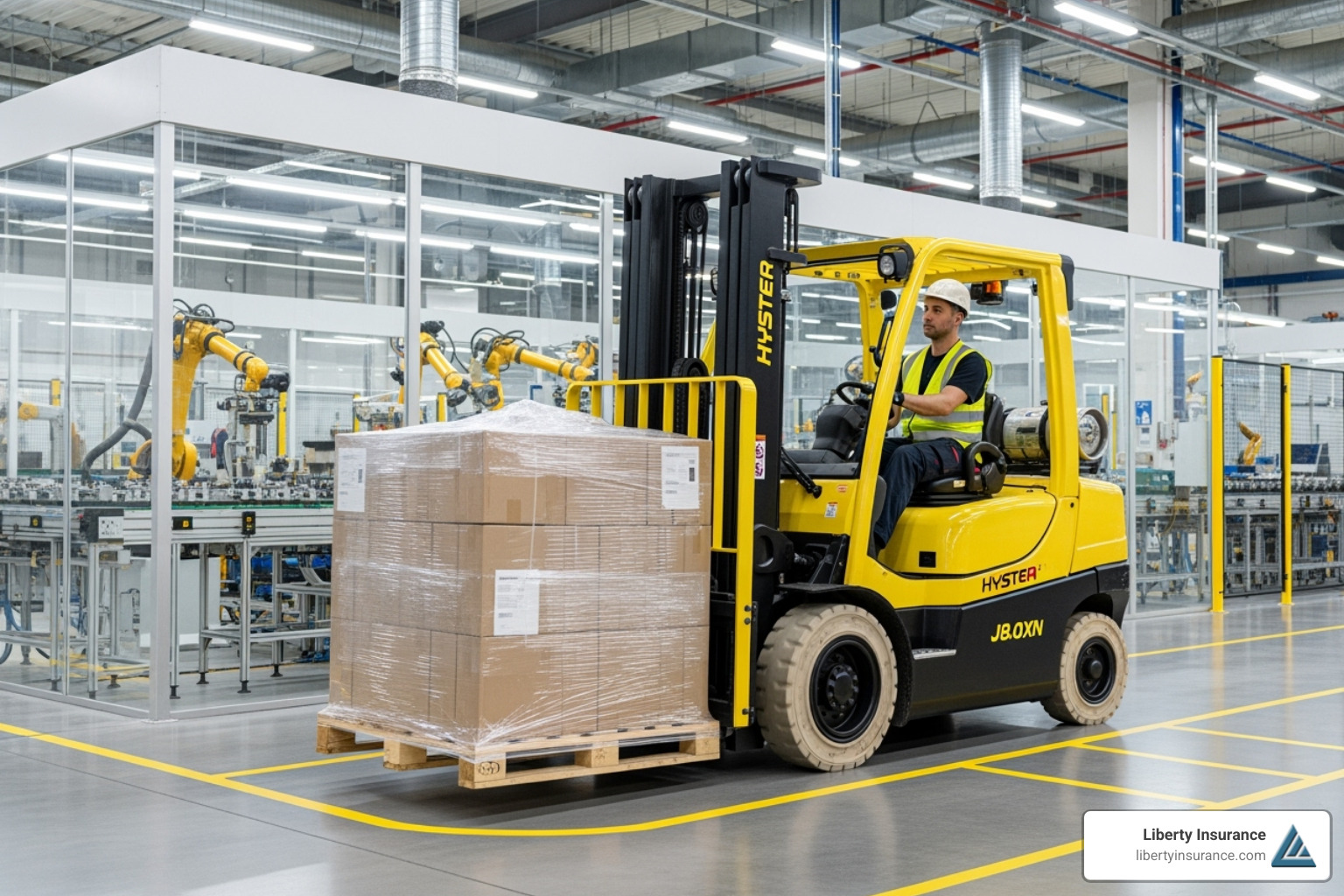
Think of an equipment protection plan as your business’s safety net. It’s there when internal components fail, when normal wear and tear takes its toll, and when those inevitable breakdowns threaten to derail your operations. These plans excel at handling the inside-out problems – the mechanical failures, electrical issues, and operational breakdowns that happen simply because equipment works hard every day.
But here’s where it gets interesting: EPPs work best as part of a team. While your equipment protection plan handles operational failures, business and equipment insurance steps in for the external threats – the fires, floods, theft, and vandalism that can strike without warning.
A truly smart protection strategy recognizes that each layer serves a unique purpose. Your manufacturer’s warranty covers those early defects. Your equipment protection plan extends that safety through the crucial working years. And comprehensive commercial property insurance protects against the catastrophic events that could wipe out your investment entirely.
At Liberty Insurance, we understand that businesses throughout New Jersey face real risks every day. Whether you’re operating in Millstone Township, managing a facility in Trenton, or running equipment in Toms River, New Brunswick, or Princeton, the threats are the same – and so is the need for comprehensive protection.
The beauty of this layered approach is that it covers all the bases. Internal breakdowns? Your EPP has you covered. External disasters? That’s where robust commercial property insurance shines. Together, they create a protective shield that lets you focus on what you do best – running your business.
The bottom line is simple: equipment failures and external disasters are both inevitable parts of business ownership. The question isn’t if they’ll happen, but when – and whether you’ll be ready. By combining the operational protection of an equipment protection plan with comprehensive commercial property insurance, you’re building a defense system that can weather any storm.

