
Why Event Liquor Liability Insurance Is Critical for Your Business
Event liquor liability insurance protects event hosts from costly lawsuits when alcohol-related incidents occur at their gatherings. Here’s what you need to know:
Key Coverage Areas:
– Third-party bodily injury – Guest injuries from intoxicated behavior
– Property damage – Damage caused by intoxicated attendees
– Legal defense costs – Attorney fees and court expenses
– Post-event incidents – Claims arising after guests leave your event
Coverage Limits: Typically $1,000,000 to $5,000,000 per occurrence
Who Needs It: Wedding hosts, corporate event planners, festival organizers, fundraiser committees
Whether you’re hosting a wedding reception or corporate holiday party, serving alcohol creates serious financial risks. A single incident involving an intoxicated guest can result in lawsuits costing hundreds of thousands of dollars. According to MADD Canada, impaired driving causes 4 deaths and 175 injuries daily – and event hosts can be held legally responsible.
Most venues now require proof of liquor liability coverage before allowing alcohol service. Even if not mandated, this specialized insurance fills critical gaps left by standard general liability policies, which typically exclude alcohol-related claims.
With coverage starting as low as $65 for basic events and wedding packages from $75, the protection far outweighs the modest cost.
I’m Andrew Harris, a Certified Insurance Counselor with extensive experience helping clients steer complex liability risks including event liquor liability insurance claims and coverage gaps.
Event liquor liability insurance terms to learn:
– host liquor liability insurance policy
– bartender liability insurance
– what does liquor liability insurance cover
What Is Event Liquor Liability Insurance?
Picture this: you’re hosting the perfect wedding reception when a guest who’s had too much to drink trips and breaks their leg. Or worse, they drive home and cause an accident. Suddenly, you’re facing a lawsuit that could cost hundreds of thousands of dollars.
Event liquor liability insurance is your financial shield against these nightmare scenarios. This specialized coverage protects you when alcohol-related accidents happen at your event, covering everything from medical bills to legal defense costs.
When someone gets hurt or property gets damaged because of an intoxicated person’s actions, the law often looks to whoever provided the alcohol. That could be you, even if you were just trying to make sure your guests had a good time.
The coverage handles third-party bodily injury when guests get hurt, property damage caused by intoxicated attendees, and those scary legal defense costs that can pile up fast. It also protects you from negligence claims.
There are two main types of coverage:
Host liquor liability applies when you’re giving away drinks for free. Think wedding receptions, office holiday parties, or charity fundraisers where the bar is open and guests aren’t paying.
Liquor License Act liability is for businesses that actually sell alcohol as part of their regular operations – like restaurants, bars, or catering companies that charge for drinks.
More info about Host Liquor Liability Insurance Policy
Event liquor liability insurance for private hosts
If you think social host laws won’t affect your private party, think again. Across Canada, the legal principle is clear: serve alcohol at your event, and you could be responsible for what happens next.
In North America, 18 states have specific social host liability laws, with 9 more focused specifically on serving minors. Even in areas without specific laws, courts regularly hold hosts responsible under general negligence principles.
Even BYOB events don’t get you off the hook. When guests bring their own booze to your venue, you’re still the host. You still have what lawyers call an “occupier’s duty” – a responsibility to keep your guests reasonably safe.
Many private hosts make a dangerous assumption about their existing insurance. While homeowner’s or renter’s policies do include some liability protection for social gatherings, they typically have strict limits or outright exclusions for alcohol-related incidents, especially at larger organized events.
Event liquor liability insurance vs general liability
Your general liability insurance might seem like it covers everything, but there’s a big gap when it comes to serving alcohol. Most commercial general liability policies include what’s called an “alcohol exclusion” – they specifically won’t cover claims arising from serving, selling, or distributing alcoholic beverages.
Why do insurers exclude alcohol coverage from regular policies? Simple: they know the risks go way up when alcohol enters the picture. An intoxicated person is more likely to fall down stairs, start a fight, or make the terrible decision to drive home.
This is where event liquor liability insurance becomes essential. It fills that gap left by your regular coverage, either as a standalone policy or as a policy add-on to your existing general liability coverage.
Why Your Event Needs Liquor Liability Coverage
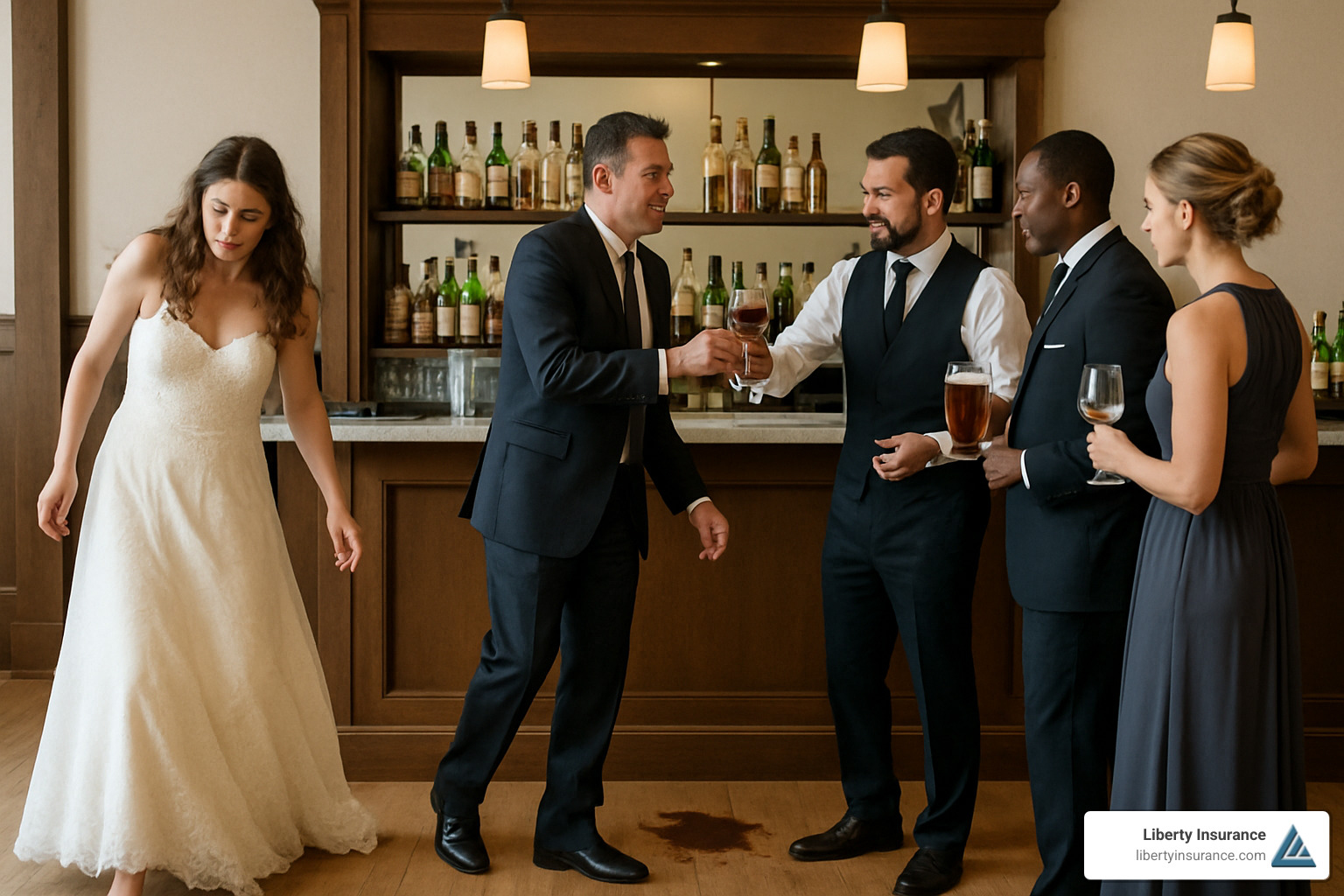
Picture this: you’ve planned the perfect wedding. The venue looks amazing, the food is flawless—and the bar is wide open. Then an intoxicated guest slips on the stairs and breaks a leg. One incident like this can trigger a lawsuit that costs more than your entire celebration.
Because scenarios like this happen every day, most venues now demand proof of event liquor liability insurance—usually at least $1,000,000 in coverage and up to $5,000,000 for large gatherings. A policy that costs less than the flowers can spare you from medical bills, repair costs, and six-figure legal fees.
MADD Canada reports alcohol-impaired driving leads to four deaths and 175 injuries daily nationwide. Courts often trace liability back to whoever provided the drinks. That’s why scientific research on impaired driving urges every host to carry proper protection.
Common claim scenarios when alcohol is served
- Slip-and-fall injuries
- Post-event DUI accidents
- Property damage to the venue or guest belongings
- Assault or battery after tempers flare
Types of events that must consider liquor liability
Weddings, corporate functions, fundraising galas, festivals, and sporting tournaments all mix crowds, long hours, and alcohol—an expensive recipe without the right coverage.
Coverage Details: What’s Included and What’s Not
Understanding what your event liquor liability insurance covers helps you make smart decisions about your event protection.
Bodily injury coverage takes care of medical bills, lost wages, and pain and suffering when someone gets hurt because of an intoxicated guest. This isn’t just about injuries that happen at your event. If someone drinks at your wedding and later crashes their car, you could still be covered.
Property damage coverage handles the expensive accidents that happen when alcohol is involved. Whether it’s a drunk guest who puts their fist through a wall, spills red wine on expensive venue carpeting, or knocks over the DJ’s equipment, this coverage pays for repairs and replacements.
Legal defense costs often cost more than the actual damages. Even if you win your case, defending yourself can cost hundreds of thousands in lawyer fees. Your policy covers these costs whether you’re found liable or not.
Post-event incidents are where things get tricky. Your responsibility doesn’t magically end when your party does. If someone leaves your event intoxicated and causes an accident two hours later, you could face a lawsuit. Good coverage protects you from these delayed claims.
Some policies offer assault and battery coverage as an add-on. Regular insurance often won’t cover fights, but this special coverage can protect you when alcohol leads to violence – as long as you didn’t encourage the behavior.
Important exclusions you need to know about include intentional harm you cause, illegal activities, and unlicensed alcohol service. If you skip getting the proper permits or knowingly break the law, your coverage won’t help you.
More info about What Does Liquor Liability Insurance Cover?
| Coverage Type | Host Liquor Liability | Liquor License Act Liability |
|---|---|---|
| Coverage Scope | Free alcohol service at events | Commercial alcohol sales/service |
| Who Typically Buys | Private hosts, corporations, nonprofits | Restaurants, bars, caterers, venues |
| Typical Limits | $1M – $5M per occurrence | $1M – $10M per occurrence |
| Permit Requirements | Special occasion permit may be required | Full liquor license required |
| Premium Factors | Guest count, event duration, venue type | Annual sales, location, claims history |
Optional coverages to round out protection
Event cancellation insurance protects your investment when disaster strikes. If a hurricane cancels your outdoor wedding or your venue burns down the week before your corporate gala, this coverage pays for lost deposits and rescheduling costs.
Non-owned auto liability covers you when using vehicles you don’t own for your event. This includes rental cars for picking up supplies, volunteer drivers shuttling guests, or any transportation services connected to your event.
Equipment damage coverage protects all the rented gear that makes your event special. Sound systems, lighting equipment, decorations, and other rented items can be expensive to replace.
Limit recommendations & certificates for venues
Choosing the right coverage limits is like picking the right size umbrella – you want enough protection without going overboard. Most venues require minimum coverage of $1,000,000, but that might not be enough for your situation.
$2,000,000 to $5,000,000 limits give you better protection for larger events or higher-risk situations. A single serious accident can easily cost more than $1,000,000. The extra premium for higher limits is usually worth the peace of mind.
Additional insured endorsements are often required by venues and vendors. This adds them to your policy for incidents related to your event.
Waiver of subrogation is a fancy term for promising your insurance company won’t go after the venue or other parties to get their money back after paying a claim.
Costs, Limits & How to Buy in Canada
Understanding the cost factors for event liquor liability insurance helps you budget appropriately and make informed coverage decisions. Premiums vary significantly based on several key factors that insurers use to assess risk.
Guest count is the primary rating factor, with most insurers offering tiered pricing: 1-250 guests, 250-500 guests, 500-1,000 guests, and so on. Each tier represents increased exposure due to more people consuming alcohol and greater potential for incidents.
Event duration affects pricing because longer events typically involve more alcohol consumption. A three-day festival carries higher risk than a four-hour wedding reception, even with the same number of attendees.
Alcohol volume and service style impact premiums significantly. Open bars with unlimited alcohol service cost more to insure than events with limited drink tickets or cash bars. The type of alcohol served also matters – events serving only beer and wine typically cost less than those offering full liquor service.
Location factors include the venue type, geographic area, and local risk factors. Urban venues may have higher rates due to increased accident risks, while outdoor events might face additional premiums due to environmental hazards.
Claims history affects pricing for repeat event organizers. A clean claims record can result in lower premiums, while previous alcohol-related incidents may increase costs or affect coverage availability.
Online purchase options have made obtaining coverage faster and more convenient. Many insurers now offer digital platforms where you can complete applications, receive quotes, and purchase coverage in minutes rather than days.
More info about Liquor Liability Insurance for Event Cost
Getting the right amount of event liquor liability insurance
Determining appropriate coverage amounts requires careful consideration of your specific risks and financial exposure. Start with venue requirements – most facilities mandate minimum coverage of $1,000,000, but this may not provide adequate protection for your situation.
Budget planning should account for insurance costs early in the event planning process. Basic event insurance starts at $65, with wedding packages beginning around $75 for 100-person events. These modest costs pale in comparison to potential claim expenses.
Umbrella coverage can provide additional protection beyond standard policy limits. If your event involves significant risks or valuable assets, umbrella policies can extend coverage to $5,000,000 or more for relatively modest additional premiums.
Consider the total value at risk when selecting limits. This includes not just the event costs but also your personal or business assets that could be at risk in a lawsuit. High-net-worth individuals or successful businesses may need higher limits to protect their accumulated wealth.
Obtaining proof of coverage fast
Modern insurance technology enables rapid certificate issuance, often within 24 hours of purchase. Digital certificates of insurance (COI) can be emailed directly to venues, vendors, or other parties requiring proof of coverage.
Adding vendors as additional insureds typically incurs no extra charge and can be done through online portals. This convenience eliminates delays and ensures all parties have proper documentation before your event.
Updating policy details after purchase may require canceling and repurchasing coverage rather than modifying existing policies. While this might seem cumbersome, many insurers have streamlined this process to minimize delays and administrative burden.
Claims & Risk-Management Best Practices
The best event liquor liability insurance claim is the one that never happens. While your coverage provides essential financial protection, preventing alcohol-related incidents protects both your reputation and your guests’ safety.
Smart prevention starts with understanding that alcohol changes people’s behavior in unpredictable ways. Even your most responsible friends can make poor decisions after a few drinks. That’s why successful event hosts focus on creating an environment that naturally discourages overindulgence.
Overservice prevention begins with having the right people in charge of alcohol service. Don’t rely on Uncle Bob to tend bar just because he’s friendly. Instead, hire professional bartenders or ensure your volunteers understand responsible service practices.
Smart Serve certification or similar responsible beverage service training should be mandatory for anyone pouring drinks at your event. These programs teach valuable skills like recognizing slurred speech, unsteady movement, and other signs that someone has had enough.
Creating safe-ride programs shows your guests you care about their wellbeing while reducing your liability exposure. You might arrange transportation, provide ride-sharing credits, or simply designate a few responsible friends as designated drivers.
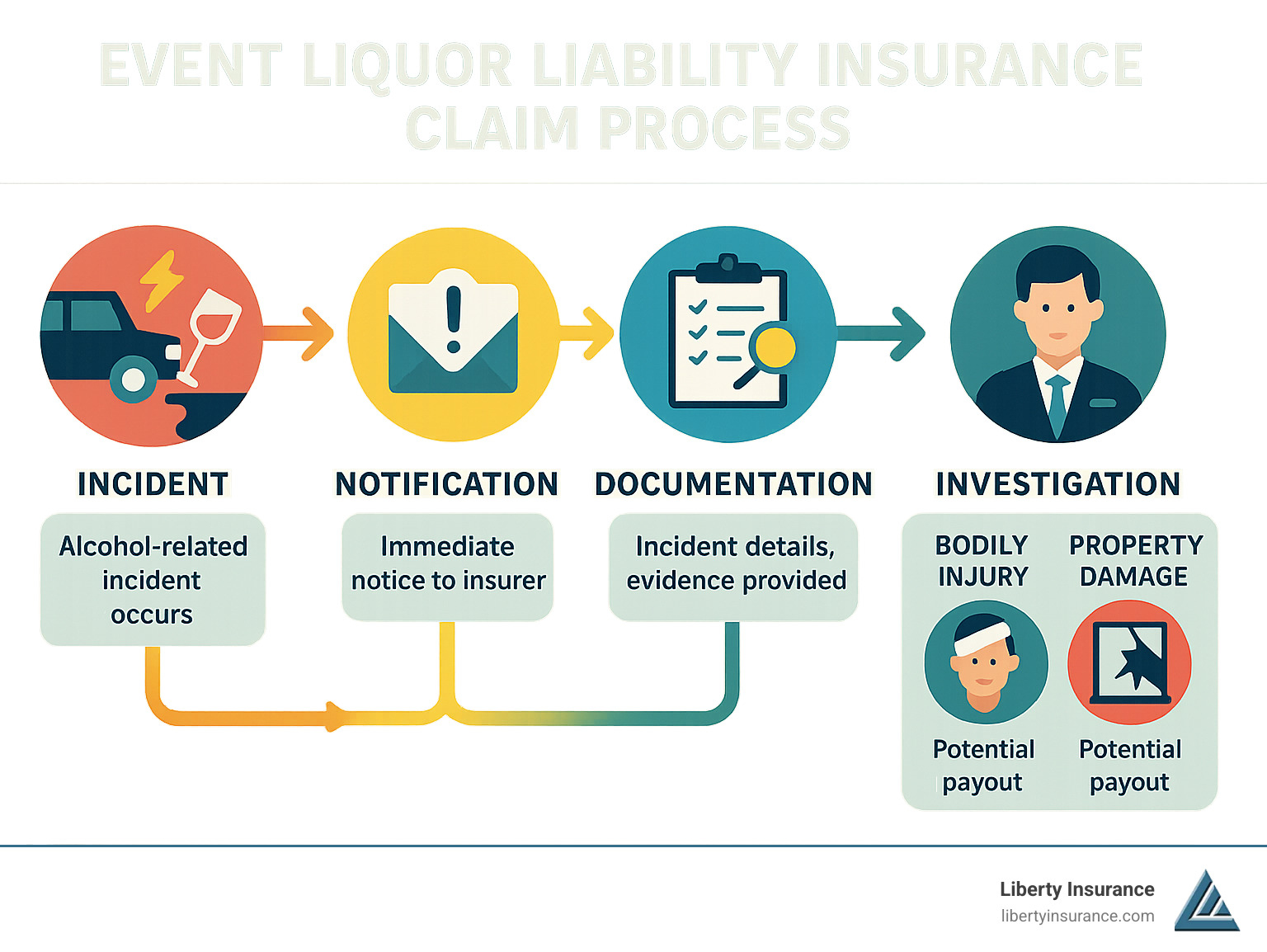
When problems do arise, immediate incident documentation becomes crucial. Write down what happened, who was involved, and what actions you took while the details are still fresh. Take photos if appropriate and gather contact information from witnesses.
Six essential responsible hosting practices can dramatically reduce your risk:
- Monitor guest consumption by having sober staff watch for signs of overservice
- Offer substantial food throughout the event to slow alcohol absorption
- Provide attractive non-alcoholic alternatives so guests have appealing options
- Control alcohol service with trained bartenders rather than self-service setups
- Plan safe transportation for guests who shouldn’t drive home
- End alcohol service early – stop serving 1-2 hours before your event concludes
According to MADD Canada, these prevention strategies significantly reduce alcohol-related incidents while demonstrating your commitment to guest safety.
What to do if a liquor-related claim arises
Despite your best prevention efforts, accidents can still happen. When an alcohol-related incident occurs at your event, your response in the first few hours can significantly impact both your legal exposure and insurance coverage.
Notify your insurer immediately – this isn’t something you can put off until Monday morning. Most event liquor liability insurance policies require prompt notification of potential claims, often within 24-48 hours. Delaying this notification could jeopardize your coverage.
Don’t wait to see if the incident develops into a formal claim. If someone was injured or property was damaged, contact your insurance company right away.
Document everything thoroughly while memories are still fresh. Gather witness statements, take photographs of any damage, and create detailed written records of what happened. Include the time, location, people involved, and sequence of events.
Cooperate fully with your adjuster when they contact you. Your insurance company will assign a claims professional to investigate the incident and determine coverage. Provide complete and honest information about what happened, but avoid making statements about fault or liability.
Take steps to mitigate ongoing damages where possible. This might mean arranging medical care for injured parties, securing damaged property to prevent further loss, or addressing immediate safety hazards.
Having insurance means you’re not alone in dealing with these situations. Your insurer has experienced professionals who handle alcohol-related claims regularly and can guide you through the process while protecting your interests.
Frequently Asked Questions about Event Liquor Liability Insurance
Planning an event with alcohol service raises many questions about insurance coverage. Here are the most common concerns we hear from event hosts across Canada.
How far in advance should I purchase coverage?
The best time to buy event liquor liability insurance is as soon as you start spending money on your event. Once you’ve booked your venue or put down deposits, you already have financial exposure that needs protection.
Most policies start covering you from the moment you purchase them, not just on the event day. This means your planning investments are protected if something goes wrong before your big day even arrives.
While some insurers will sell you coverage up to 24 hours before your event, waiting until the last minute creates unnecessary stress. Give yourself at least a week to handle any unexpected issues.
Plus, many venues require proof of insurance well before your event date. Getting your coverage sorted early means one less thing to worry about as your event approaches.
Does the policy cover incidents after guests leave?
This is one of the most important aspects of event liquor liability insurance – and yes, good policies do cover what happens after your guests head home.
If someone gets intoxicated at your wedding reception and then causes a car accident on their way home, you could face a lawsuit claiming you overserved them. Your policy should protect you in this situation, even though the actual incident happened away from your event.
The key factor is proving the intoxication occurred at your event. Insurance companies will investigate to determine where and when the person consumed the alcohol that led to their impairment.
However, there are time limits. Coverage doesn’t extend indefinitely – if someone claims an incident weeks later was caused by alcohol from your event, that becomes much harder to prove and may not be covered.
This post-event coverage is exactly why event liquor liability insurance is so crucial. Your responsibility as a host doesn’t magically end when the last guest walks out the door.
Can both individuals and businesses buy this insurance?
Absolutely! Event liquor liability insurance works for everyone from couples planning their dream wedding to corporations organizing their annual holiday party.
Individual hosts typically need what’s called host liquor liability coverage. This covers private events where you’re giving away alcohol for free – think birthday parties, anniversary celebrations, or graduation parties.
Businesses might need the same host liquor coverage for corporate events, or they might require commercial liquor liability if they’re in the business of selling alcohol. The right type depends on whether you’re charging for drinks or providing them complimentarily.
Some businesses that regularly host events find it more cost-effective to add liquor liability to their existing commercial insurance policy. Others prefer standalone event policies, especially for one-off occasions like company picnics or client appreciation events.
The application process is straightforward for both individuals and businesses. You’ll answer questions about your event size, duration, and alcohol service plans. The insurer uses this information to determine your premium and coverage needs.
Conclusion & Next Steps
Planning an event where alcohol will be served doesn’t have to keep you awake at night worrying about potential lawsuits. Event liquor liability insurance offers the peace of mind you need to focus on what really matters – creating memorable experiences for your guests.
The numbers speak for themselves. With coverage starting at just $65 for basic events, you’re investing less than the cost of a nice dinner to protect against claims that could reach into the hundreds of thousands. When you consider that the average wedding costs $30,000, this small investment makes perfect sense.
At Liberty Insurance, we’ve helped countless event hosts across Canada find the right coverage for their unique situations. Whether you’re planning an intimate backyard wedding or a corporate gala for 500 people, we understand that no two events are exactly alike. That’s why our customizable solutions are designed to fit your specific needs and budget.
The most important steps to take right now are purchasing coverage early in your planning process, selecting limits that actually protect your assets (not just meet venue minimums), and understanding that your regular insurance likely won’t cover alcohol-related incidents. These simple actions can save you from financial disaster down the road.
Even the most carefully planned events can have unexpected moments. A guest who’s had one too many, a slip on a wet floor, or an argument that gets out of hand – these situations happen more often than we’d like to admit. Having proper event liquor liability insurance means you’re prepared for whatever comes your way.
Your celebration should be about joy, connection, and creating lasting memories. Don’t let worries about potential liability claims overshadow the excitement of your special day. With the right coverage in place, you can raise a toast knowing you’ve protected both your guests and your financial future.
Ready to get started? Getting a quote is easier than you might think, and having that certificate of insurance in hand will give you one less thing to worry about as your event approaches.

