
Understanding Your Liability When Serving Alcohol
Imagine this: You’re hosting your company’s holiday party, the atmosphere is festive, drinks are flowing, and everyone’s having a great time. But what happens if one of your guests drives home intoxicated and causes an accident? Who’s responsible? The answer might surprise you – and that’s where a host liquor liability insurance policy comes into play.
A host liquor liability insurance policy serves as your financial safety net when you occasionally serve alcohol without selling it. Whether you’re planning a corporate event, wedding reception, or neighborhood block party, this coverage protects you if an intoxicated guest later causes property damage or injures someone.
| Host Liquor Liability Insurance Policy at a Glance |
|---|
| Coverage: Bodily injury and property damage caused by intoxicated guests |
| Who Needs It: Businesses hosting events with alcohol; private event hosts |
| Included In: Often part of general liability policies for non-alcohol businesses |
| Cost: Starting around $125 for single events; varies by state and coverage limits |
| Not For: Businesses that regularly sell or serve alcohol (they need liquor liability) |
The key distinction between host liquor and standard liquor liability lies in your relationship with alcohol. Host liquor coverage is designed specifically for those who don’t regularly make, sell, or serve alcoholic beverages. If you’re hosting a one-off event where champagne toasts or cocktails will be served, this is your protection against potential legal and financial fallout.
Did you know that 43 states have dram shop laws on their books? These laws create a legal framework where you, as a host, can be held responsible when intoxicated guests cause harm after leaving your event. Even the most careful hosts face significant exposure under these statutes.
While most general liability policies include host liquor liability coverage, don’t assume you’re automatically protected. Important limitations and exclusions exist that could leave you vulnerable. For instance, if your business generates any regular revenue from alcohol sales – even occasionally – you’ll need a separate liquor liability policy instead.
For private gatherings where alcohol is served free, through a cash bar, or even as BYOB, host liquor liability insurance policies provide crucial protection against legal defense costs, medical expenses for injured parties, property damage caused by intoxicated guests, and potential settlements or judgments against you.
This coverage becomes particularly valuable when venues require proof of insurance, protecting both you and your assets from potentially devastating claims that could otherwise drain your savings or threaten your business.
I’m Andrew Harris, a Certified Insurance Counselor who’s helped countless clients steer the complexities of host liquor liability insurance policies. As an active member of the Professional Insurance Agents association and recipient of the PIA National Agent of the Year award, I’ve guided businesses of all sizes through securing appropriate liquor liability protection that gives them peace of mind when hosting events.
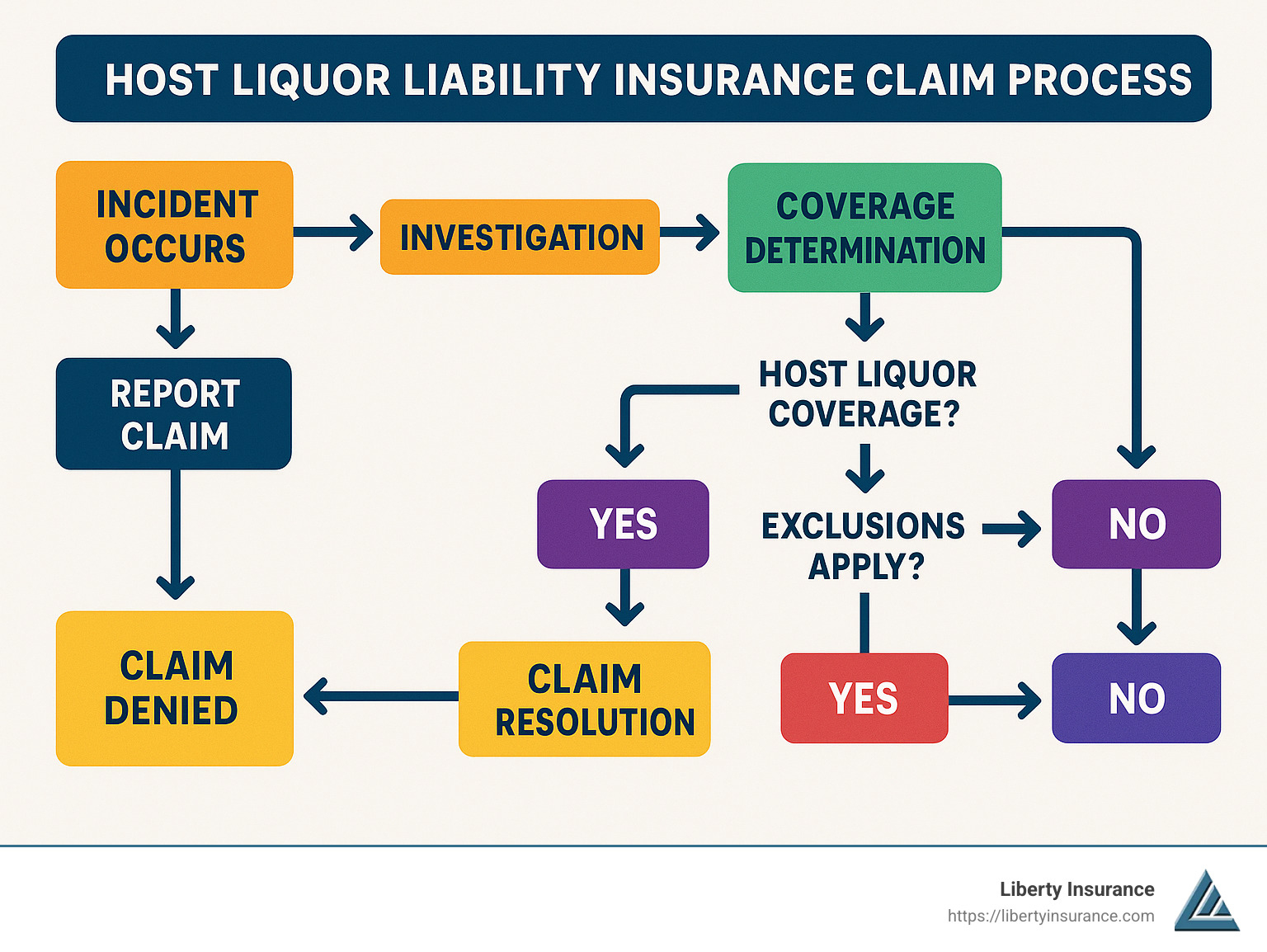
Want to learn more about host liquor liability insurance policy basics? Check out these helpful resources:
– general and liquor liability insurance
– bartender insurance cost
– alcohol insurance for party
Understanding a Host Liquor Liability Insurance Policy
A host liquor liability insurance policy provides coverage for bodily injury or property damage that might occur when you serve alcohol at an event but aren’t in the business of selling it. This distinction matters tremendously – if you’re hosting a company party with complimentary drinks, you need host liquor coverage. If you’re running a bar where alcohol sales are your business, you’ll need full liquor liability insurance instead.

Think of host liquor liability as your safety net when things go sideways at your event. It kicks in when a guest has too many drinks, causes an accident or injury after leaving, and you (as the host) are held legally responsible. The coverage typically handles your legal defense costs, pays settlements or judgments against you, covers medical expenses for injured parties, and takes care of property damage reimbursement.
As one insurance expert put it, “Host liquor liability is essentially your license to party safely and responsibly.” That said, having insurance doesn’t mean you can throw caution to the wind – your policy protects against accidents, not willful negligence or illegal activities like serving minors.
Host Liquor Liability Insurance Policy 101
A host liquor liability insurance policy is specifically designed for non-seller hosts – people or businesses who occasionally serve alcohol without making money from it. You’ll typically find this coverage included as an endorsement to a general liability policy, though you can sometimes purchase standalone coverage for specific events.
Here’s a real-world scenario: You host your company’s holiday party where you serve complimentary drinks. One employee has too many cocktails, drives home, and causes an accident that damages another car and injures the driver. Your host liquor liability coverage helps cover those medical bills, property damage, and your legal defense if you’re sued.
What’s particularly helpful is that this coverage applies whether you’re serving free drinks, running a cash bar, or even allowing guests to bring their own bottles (BYOB). The key factor isn’t how the alcohol arrives – it’s that serving drinks isn’t your primary business activity.
Private Events vs. Business Exposure
The way a host liquor liability insurance policy works varies slightly depending on whether you’re hosting a private gathering or running a business with occasional alcohol service.
For private events, this coverage has your back when you’re popping champagne at a wedding toast, hosting a BYOB backyard barbecue for friends, or hiring a bartender for your milestone birthday party. These are all situations where alcohol is present but not being sold as a business venture.
For businesses with incidental alcohol exposure, the coverage applies in situations like a tech company’s Friday afternoon beer social, an accounting firm’s annual holiday party with an open bar, or a neighborhood coffee shop occasionally offering local craft beers during special events.
As one insurance advisor explains: “If you’re throwing your best friend a retirement party at a venue and plan on providing alcoholic beverages, you would be eligible for host liquor insurance. However, a wedding catering business that regularly serves alcohol doesn’t qualify because alcohol service is part of their regular business operations.”
Legal Backdrop & Dram Shop Laws
The legal landscape around alcohol service creates significant liability exposure for anyone hosting events. Currently, 43 states have enacted some form of “dram shop” laws, which can hold both businesses and social hosts liable for damages caused by intoxicated guests they served.
These laws establish a negligence standard that applies when hosts serve alcohol to visibly intoxicated persons, serve alcohol to minors, or fail to prevent intoxicated guests from driving. While specific provisions vary by state, the underlying principle remains: if you provide alcohol, you may be legally responsible for what happens afterward.
Consider this scenario: You host a corporate event where an employee becomes visibly intoxicated but continues to receive drinks. On the way home, they cause an accident. Under dram shop laws in most states, you could be held liable for damages.
As the Insurance Risk Management Institute (IRMI) notes, “Host liquor liability exposures are insurable under standard general liability policies,” but only if you’re not in the business of selling alcohol. If alcohol sales are part of your business model, you’ll need dedicated liquor liability coverage instead.
The good news is that with proper coverage and responsible serving practices, you can protect yourself while still hosting enjoyable events. Understanding these dram shop laws is the first step toward creating a safer environment for your guests and yourself.
Key Differences: Host vs. Liquor Liability
Let’s clear up one of the most common confusions I hear from clients – understanding the difference between host liquor liability and liquor liability insurance. Knowing this distinction could save you thousands of dollars and ensure you have the right protection when you need it most.

Think about it this way – are you occasionally serving drinks at your company holiday party, or are you running a bar where selling alcohol is your business? That’s the fundamental difference that determines which coverage you need.
| Feature | Host Liquor Liability | Liquor Liability |
|---|---|---|
| Who needs it | Non-alcohol businesses hosting events with alcohol | Businesses selling/serving alcohol (bars, restaurants) |
| Coverage type | Often included in general liability | Separate policy or endorsement |
| Cost | Lower premium (lower risk) | Higher premium (higher risk) |
| Typical limits | $300K-$1M | $1M-$2M+ |
| Exclusions | Businesses that sell alcohol | Few, but higher premiums |
| Licensing | Not required | Often requires liquor license |
As one client explained after I helped them sort through their options, “I finally understand – liquor liability protects businesses that sell alcohol, while host liquor liability protects those of us who just have alcohol at our events but don’t make money from it.”
Why You Might Need More Than a Host Liquor Liability Insurance Policy
A host liquor liability insurance policy works wonderfully for many situations, but it’s simply not enough if your business falls into certain categories.
If you own a bar or restaurant, you’re squarely in the business of selling alcohol, which means you need full liquor liability coverage – not just host coverage. The same applies to caterers who regularly include alcohol service in their packages. Even though food might be your main focus, regularly serving drinks puts you in a different risk category.
Breweries, wineries, and distilleries naturally need specialized liquor liability coverage since producing alcoholic beverages is their core business. Similarly, if you run a convenience store or grocery that sells alcohol for customers to take home, you need proper liquor liability insurance.
Event venues with permanent bars also need dedicated liquor liability coverage. As one venue owner told me, “I thought my general policy covered everything until someone explained that since we operate a bar, we needed specific liquor liability protection.”
The distinction matters because standard host liquor liability won’t respond to claims if you’re profiting from alcohol sales. As I often tell my clients, “Your general liability policy specifically excludes liquor liability for businesses that make money from alcohol.”
General Liability Gaps You Must Know
Many business owners I work with initially believe their general liability policy automatically covers all alcohol-related risks. Unfortunately, this misconception can lead to serious coverage gaps.
While general liability policies typically include host liquor liability coverage, this only applies if serving alcohol isn’t part of your regular business operations. Commercial general liability policies often contain specific exclusions for businesses that manufacture, sell, serve, or furnish alcoholic beverages – meaning you’d have no coverage just when you need it most.
Assault and battery limitations can be particularly troublesome. Many policies restrict coverage for claims involving fights or other physical confrontations, which unfortunately can happen when alcohol is involved. I’ve seen claims denied because of these exclusions, leaving business owners to pay out-of-pocket.
After-hours events might not be covered if they occur outside normal business hours or extend beyond certain time thresholds like 2 A.M. Coverage territory limitations might also restrict protection to specific locations or regions.
As I always advise my clients, “Even if you think your general liability policy covers alcohol-related incidents, it’s worth getting a professional review of your specific situation.” The cost of additional coverage is typically much less than dealing with an uncovered claim.
The right insurance gives you freedom to host wonderful events without constantly worrying about what might go wrong. That peace of mind is invaluable.
Who Needs a Host Liquor Liability Insurance Policy?
If you’re planning to serve alcohol at any kind of event, you should seriously consider a host liquor liability insurance policy to protect yourself from potential claims that could arise if things go sideways.

Weddings, Reunions & Milestone Parties
Your special day should be filled with joy, not worry about potential lawsuits. When it comes to weddings, a host liquor liability insurance policy isn’t just a good idea—many venues actually require it before you can pop the champagne.
Imagine this: You’ve planned the perfect wedding reception with an open bar. Everyone’s having a wonderful time, but after the celebration, a guest who had a few too many drives home and gets into an accident. Without proper coverage, you and your new spouse could be held legally responsible.
This protection is equally important for parents hosting rehearsal dinners or wedding parties organizing pre-wedding celebrations. As wedding planning experts at WedSafe point out, “Most wedding venues require liquor liability coverage if alcohol is served.”
Family reunions and milestone celebrations like 50th birthday parties or anniversary gatherings present similar risks. These events often bring together relatives with vastly different alcohol tolerances, span several hours, and create emotional atmospheres that might encourage extra toasting.
When getting coverage for your special event, remember to add the venue as an additional insured if they request it, clearly indicate your alcohol service plans in your application, and specify whether you’re offering complimentary drinks or running a cash bar.
Office & Corporate Functions
That annual holiday party might seem like innocent fun, but businesses face unique liability challenges when alcohol enters the picture. Your company should consider a host liquor liability insurance policy for:
Holiday celebrations where you’re treating employees to an open bar. Client appreciation events featuring craft cocktails. Company milestone celebrations marking anniversaries or achievements. Team-building retreats with evening social hours. Even casual Friday gatherings where employees bring their own beverages.
Here’s a sobering thought: If an intoxicated employee causes an accident driving home from your company party, your business could face significant legal and financial consequences without proper coverage.
For corporate functions, smart risk management goes beyond insurance. Consider implementing drink ticket systems to naturally limit consumption, always provide plenty of food and non-alcoholic options, arrange transportation alternatives like rideshares, and ensure event staff can recognize when someone’s had enough.
Community & Fundraising Events
Nonprofit organizations and community groups aren’t immune to alcohol-related liability. That charity gala with wine service or school auction fundraiser featuring signature cocktails needs protection too.
Community festivals with beer gardens, neighborhood block parties, and fundraising dinners with wine pairings all present unique challenges. These events often rely on well-meaning but untrained volunteer servers, involve large crowds, take place in unconventional venues, and include various forms of alcohol service.
When organizing community events, take extra precautions by checking local ordinances about alcohol service, obtaining any required temporary permits, implementing strict age verification procedures, and considering professional bartenders rather than volunteers.
In many states, even if you’re not selling alcohol but merely providing it at your community event, you can still be held liable if an intoxicated guest causes harm to themselves or others after leaving your event.
A host liquor liability insurance policy provides peace of mind so you can focus on what really matters—bringing people together for celebration or a good cause—without the constant worry of what might go wrong.
More info about Event Coverage Insurance
Coverage, Exclusions & Limitations
Understanding what a host liquor liability insurance policy covers—and doesn’t cover—is essential for making informed decisions about your insurance needs.

What’s Typically Covered
When you’re hosting that holiday party or special event where drinks are flowing, a host liquor liability insurance policy has your back in several key ways.
If an intoxicated guest takes a tumble and injures themselves or others after enjoying your hospitality, your policy typically covers their medical expenses, pain and suffering, and even lost wages. This bodily injury protection is often the most valuable aspect of the coverage.
Property damage protection is another crucial benefit. We’ve all heard horror stories about intoxicated guests accidentally breaking venue fixtures or damaging neighboring properties. Your policy can step in to cover these repair or replacement costs, saving you from potentially hefty out-of-pocket expenses.
Even if a claim against you is completely unfounded, the legal defense costs alone can be staggering. Thankfully, your policy typically covers attorney fees, court costs, and related expenses. As one client told me recently, “The peace of mind knowing I wouldn’t have to bankrupt myself just to prove my innocence was worth every penny of the premium.”
If you are found liable, your policy can cover settlements or court-ordered judgments up to your policy limits. Many policies also include coverage for immediate medical payments regardless of who’s at fault—a feature that can help maintain goodwill with injured parties.
From the wedding guest who causes a fender bender after your reception to the corporate party attendee who damages hotel property, these real-world scenarios highlight why this coverage is so valuable for responsible hosts.
Common Exclusions that Surprise Hosts
I’ve seen the look of shock on clients’ faces when they find what their host liquor liability insurance policy doesn’t cover—knowledge that often comes too late.
Most policies won’t protect you if you knowingly serve alcohol to minors or visibly intoxicated persons. This illegal activity exclusion makes perfect sense, but it underscores the importance of responsible serving practices at your events.
Are you planning to make money from selling alcohol? Then you need full liquor liability insurance, not host coverage. This distinction trips up many clients who think a cash bar at their event is still covered under host liability (it’s not!).
Many hosts are also surprised to learn about time restrictions. Events that continue past 2 A.M. often fall outside coverage parameters, as late-night events statistically pose higher risks for alcohol-related incidents.
Government fines or criminal penalties for violating liquor laws come out of your pocket, not the insurance company’s. And if your event features both alcohol and fireworks—a particularly risky combination—you might find yourself without coverage for related incidents.
As one insurance expert likes to say, “Sorry, host liquor liability won’t let you go completely wild—fines and jail time are still on the table.” The policy also won’t cover intentional acts to cause harm or workers’ compensation claims for your employees.
Setting the Right Limits & Deductibles
Choosing appropriate coverage limits for your host liquor liability insurance policy is a bit like deciding how much homeowners insurance you need—it requires thinking about worst-case scenarios.
For most events, a per-occurrence limit of $1 million provides solid protection against any single incident. This means if an intoxicated guest causes a serious accident, your policy could cover up to $1 million in damages. The aggregate limit—typically set at $2 million or higher—represents the total amount the policy will pay during the policy period, regardless of how many incidents occur.
For high-profile events with hundreds of guests or in locations with high litigation rates, consider umbrella coverage that provides additional protection beyond your base policy limits. As one client hosting a celebrity charity gala told me, “The extra $2 million in umbrella coverage cost less than the champagne for the toast, but helped me sleep at night.”
Your deductible choice affects both your premium and potential out-of-pocket costs. For one-time events like weddings, a lower deductible often makes sense since you’ll only face potential claims from a single occasion. However, businesses hosting multiple events throughout the year might benefit from a higher deductible paired with lower premiums.
When determining appropriate limits, consider your event’s specific risk profile: how many guests are attending, what types of alcohol you’re serving, how long service will last, and what assets you need to protect. Don’t forget to review your venue contract carefully—many require specific minimum coverage amounts that you’ll need to meet.
Want to learn more about what these policies cost? Visit our detailed guide on Host Liquor Liability Insurance Cost for pricing information custom to your specific situation.
Cost Factors & Smart Savings
The cost of a host liquor liability insurance policy varies widely based on numerous factors. Understanding these can help you budget appropriately and find ways to save on premiums.
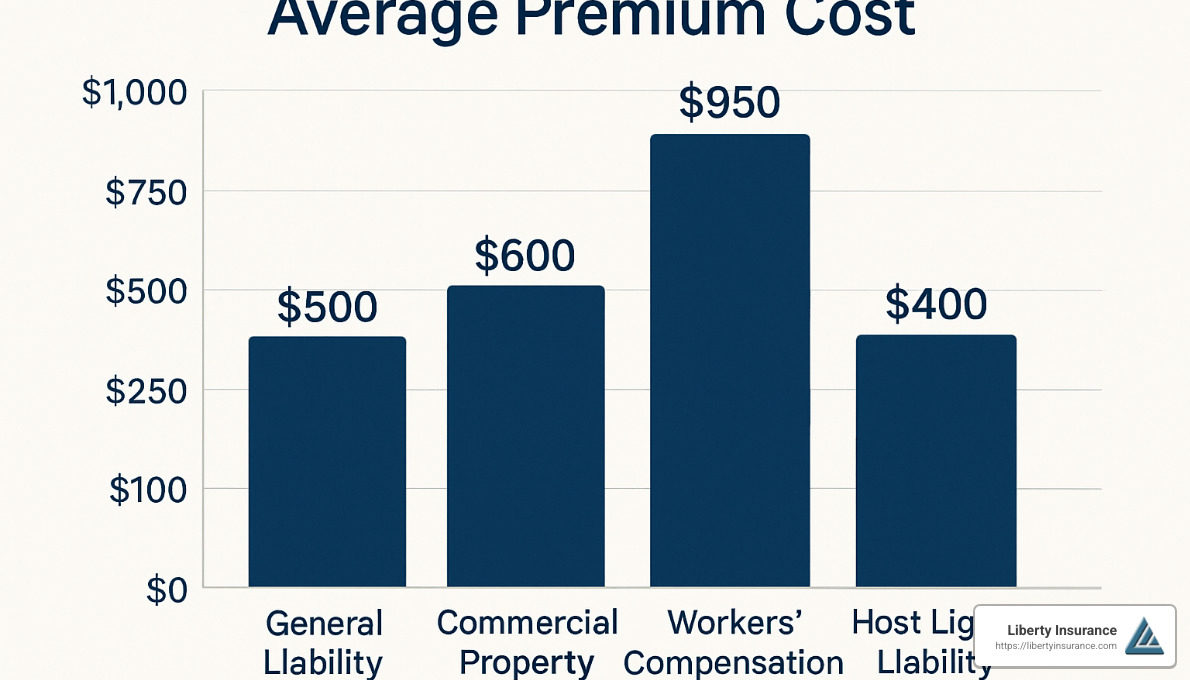
When you’re planning an event with alcohol, your insurance costs will largely depend on the size and scope of your gathering. Smaller, intimate affairs with 50 guests will naturally cost less to insure than a 300-person wedding reception or corporate holiday party. The guest count matters because more people simply means more potential risk.
Time is money when it comes to insurance too. A four-hour cocktail reception presents less risk than an all-day festival with eight hours of alcohol service. Your location also plays a significant role – states with stricter dram shop laws (like Pennsylvania or New Jersey) often have higher premiums because the legal liability is greater in these jurisdictions.
If you’ve had previous alcohol-related claims, be prepared for higher rates. Insurance companies, like people, learn from past experiences. Your coverage limits and deductible choices will directly impact your premium – opt for a $2 million limit instead of $1 million, and you’ll pay more, but you’ll also sleep better at night knowing you have robust protection.
The type of alcohol served matters too. Events serving only beer and wine typically qualify for lower rates than those offering a full bar with spirits. And how you’re serving matters – professional bartenders who can monitor consumption will usually result in lower premiums than self-service options.
For a single event, host liquor liability insurance policy costs typically start around $125, though this varies by state and coverage limits. If your business regularly hosts events but doesn’t sell alcohol, annual policies generally range from $500 to $1,500.
Quick Ways to Lower Your Premium
You don’t have to break the bank to protect yourself when serving alcohol at events. There are several smart strategies to reduce costs while maintaining solid coverage.
Training makes a difference. Having your servers complete TIPS (Training for Intervention Procedures) certification often qualifies you for insurance discounts. Insurers love to see that you’re taking proactive steps to prevent problems before they start.
Consider implementing a drink ticket system at your next event. By limiting each guest to a set number of drinks, you’re demonstrating responsible hosting practices, which can translate to lower premiums. Pairing this with substantial food options and plenty of free water helps mitigate intoxication risks and shows insurers you’re serious about safety.
Professional security staff can be worth their weight in gold. Beyond keeping your event secure, their presence demonstrates risk management to your insurance provider and may qualify you for valuable discounts.
Don’t wait until the last minute to secure coverage. Many insurers offer early-bird discounts when you purchase well in advance of your event. And if you need multiple types of coverage, bundling host liquor liability with general liability or event cancellation insurance often results in package savings.
Simple payment choices can save you money too. Paying your premium upfront rather than in installments frequently earns you a discount. And documenting your alcohol service policies – including how you’ll handle intoxicated guests and prevent underage drinking – can sometimes qualify you for rate reductions.
As insurance professionals often say, “The best way to save on insurance is to prevent the claims in the first place.” Implementing these strategies not only saves money but also creates a safer environment for your guests.
Single-Event vs. Annual Policies
When shopping for a host liquor liability insurance policy, you’ll face a key decision: do you need coverage for just one event, or throughout the year?
Single-event coverage is perfect for those once-in-a-lifetime celebrations – weddings, milestone birthdays, or annual fundraisers. These policies typically provide protection for 24 hours to 3 days surrounding your event. With costs starting around $125 (depending on your event’s size and location), they offer affordable peace of mind without a long-term commitment. The application process is usually straightforward, with quick approval so you can focus on planning your event.
Annual policies make more financial sense if you’re hosting multiple events throughout the year. If you’re a business that holds quarterly client mixers, monthly networking events, or regular social gatherings, an annual policy eliminates the hassle of purchasing separate coverage each time. While the upfront cost is higher ($500-$1,500 depending on your specific situation), it’s typically more cost-effective for those hosting three or more events annually.
Some insurers offer flexible options for seasonal hosts – like summer concert series organizers or holiday celebration planners – with multi-event discounts that don’t require year-round coverage.
Here at Liberty Insurance, we help New Jersey businesses determine whether a single-event or annual policy makes more financial sense based on your specific hosting patterns. Understanding the research on alcohol risk management helps us provide custom coverage that protects your financial interests while keeping your guests safe.
Buying the Right Host Liquor Liability Insurance Policy
Shopping for a host liquor liability insurance policy doesn’t have to be complicated, but it does require some thoughtful consideration. Think of it as planning for a rainy day at your sunny celebration.

When you’re ready to purchase coverage, start early—ideally 2-4 weeks before your event. This gives you breathing room to compare options without last-minute pressure. Be honest when answering those underwriting questions, even if you’re tempted to downplay certain aspects of your event. Misrepresenting details could leave you unprotected when you need coverage most.
I always recommend comparing quotes from at least three different insurers. You might be surprised at how premiums and coverage details can vary. While you’re at it, carefully review any certificate requirements your venue might have. Many venues specify minimum coverage amounts or request to be listed as additional insureds on your policy.
Speaking of additional insureds, verify that your policy allows you to add other parties if needed. Your venue, client, or even property owner might request this protection, and you’ll want to make sure your policy can accommodate them.
Before signing on the dotted line, take time to read the actual policy—yes, the fine print matters! Pay special attention to exclusions (what’s not covered), conditions (what you must do to maintain coverage), and coverage triggers (what circumstances activate your protection). Understanding these details now can save tremendous headaches later.
Don’t forget to ask about the claims process. If something goes wrong, you’ll want to know exactly who to call and what information you’ll need to provide. Some insurers offer 24/7 claims reporting, which can be invaluable if an incident occurs during your evening event.
At Liberty Insurance, we walk our clients through each of these steps, ensuring you understand exactly what protection you’re getting and how to use it if needed.
Step-by-Step Purchase Checklist
When you’re ready to secure your host liquor liability insurance policy, having the right information at your fingertips makes the process smooth and efficient. Think of this as your insurance shopping list:
First, gather all your event basics—the date, time, and duration of your event, along with the venue name and address. Your insurer will need to know your estimated attendance and the type of event you’re hosting, whether it’s a wedding reception, corporate mixer, or neighborhood fundraiser.
The details about alcohol service are particularly important. Be ready to explain whether you’re offering an open bar, cash bar, or allowing guests to bring their own beverages. Insurers will also want to know what types of alcohol you’ll serve (beer and wine only, or full liquor service) and who will be doing the serving—professional bartenders or volunteers.
Your risk management approach matters too. If your servers have formal training like TIPS certification, mention this! Describe your plans for ID verification, drink limits, and how you’ll handle transportation for guests who shouldn’t drive. Will you arrange for designated drivers, provide ride-sharing information, or offer shuttle service? These safety measures not only protect your guests but might also qualify you for premium discounts.
When it comes time to pay, consider paying in full if you can afford it—many insurers offer discounts for upfront payment. If that’s not feasible, ask about installment options. And always check the refund policy in case your event gets canceled or postponed.
The more thorough information you provide, the more accurate your quote will be, and the better your coverage will match your specific needs.
When a Separate Liquor Policy Is Mandatory
While a host liquor liability insurance policy works perfectly for many situations, sometimes it’s simply not enough. There are clear circumstances when you’ll need to step up to a full liquor liability policy instead.
If your business regularly sells alcohol—whether you’re running a neighborhood pub, an upscale restaurant, or a liquor store—host liquor liability won’t cut it. The same applies if you’re a caterer who routinely provides alcohol as part of your service package. In these cases, alcohol service isn’t just incidental to your business; it’s a core part of what you do.
Holding a liquor license is another clear indicator that you need full liquor liability coverage. State licensing boards often require this specific coverage as a condition of maintaining your license. Similarly, if alcohol represents a significant portion of your revenue stream, standard host liability coverage won’t provide adequate protection.
I recently spoke with a client who was planning to open a wine bar within her bookstore. While she initially thought host liquor liability would be sufficient (after all, books were her primary business), the fact that she needed a liquor license and would generate ongoing revenue from alcohol sales meant she needed comprehensive liquor liability coverage instead.
State regulations can also dictate your coverage needs. New Jersey, for instance, has specific requirements for businesses that serve alcohol regularly. These regulations aren’t just bureaucratic red tape—they’re designed to ensure businesses carry sufficient coverage to protect both themselves and the public.
If you’re not sure whether you need host liquor liability or full liquor liability insurance, we at Liberty Insurance can help sort through the details. We’ll look at your specific situation, consider New Jersey’s requirements, and recommend the right coverage to keep your business properly protected without paying for more insurance than you need.
Frequently Asked Questions about Host Liquor Liability
Hosting an event with alcohol brings up plenty of questions. Let’s address some of the most common concerns I hear from clients about host liquor liability insurance policies.
Do general liability policies automatically include host liquor coverage?
Good news! Most general liability policies do include host liquor liability coverage as a standard feature. But before you breathe that sigh of relief, there’s an important catch.
This coverage only applies if your business doesn’t regularly sell, serve, or distribute alcohol as part of its normal operations. If you run a restaurant, bar, or liquor store, your general liability policy likely excludes liquor liability altogether.
As The Hartford puts it, “General liability typically includes host liquor liability for events where alcohol is consumed but doesn’t cover liquor liability for actual sale or service—you must purchase that separately.”
Even if you do qualify for host liquor coverage under your existing policy, take a moment to verify three critical things:
– Your coverage limits are adequate for your specific event
– No special exclusions apply to your particular situation
– Your policy will be active during your event dates
Here in New Jersey, we always recommend sitting down with your agent to review your general liability policy before hosting any event with alcohol. It’s much better to confirm your coverage now than find a gap after an incident occurs.
How much coverage should I carry for a 200-guest wedding?
When clients ask me about coverage for a medium-sized wedding with 200 guests, I typically recommend a host liquor liability insurance policy with at least $1 million per occurrence and $2 million aggregate limits.
These limits strike a good balance—they provide substantial protection against potential claims while remaining reasonably affordable. For a wedding of this size, you can expect to pay between $150 and $400, depending on several factors:
Your location matters (some areas have stricter dram shop laws), as does how long you’ll be serving alcohol. The type of alcohol makes a difference too—serving only beer and wine often costs less to insure than a full open bar with spirits. And having professional bartenders rather than self-service can sometimes lower your premium.
Don’t forget to check your venue contract! Many venues require specific coverage limits, and you’ll want to make sure your policy meets or exceeds their requirements. If you’re hosting a particularly upscale wedding or have substantial personal assets to protect, you might consider higher limits or even an umbrella policy for additional peace of mind.
Many of my clients find it convenient to purchase wedding insurance packages that combine host liquor liability with general liability coverage, protecting against other potential incidents like slip-and-fall accidents or property damage unrelated to alcohol.
What happens if I unknowingly serve a minor?
This is a tricky situation that makes many hosts nervous. If you unknowingly serve alcohol to a minor at an event covered by your host liquor liability insurance policy, the implications can be complicated.
From an insurance perspective, most policies exclude coverage for illegal acts, including serving minors. However—and this is crucial—the determining factor is often whether you took reasonable precautions to prevent it from happening.
If you implemented proper age verification procedures like checking IDs but were fooled by a sophisticated fake ID, some policies may still provide coverage. But if you made no effort to verify ages at all, your claim will likely be denied.
The legal consequences exist regardless of your insurance situation. You could still face criminal charges, fines from liquor control authorities, and potential license suspensions if your event required a temporary permit.
To protect yourself, I always advise clients to:
1. Implement strict ID verification for anyone who appears under 30
2. Consider using wristbands or hand stamps after checking IDs
3. Hire professional bartenders who are experienced in spotting fake IDs
4. Keep documentation of your age verification procedures
If an incident does occur, report it to your insurance provider immediately. Document everything about the situation, including details about your age verification efforts. The more information you can provide about the precautions you took, the better your chances of having a claim covered.
The goal isn’t just having insurance—it’s preventing problems in the first place. A little extra caution goes a long way toward hosting a safe, enjoyable event for everyone.
Conclusion
Taking a moment to reflect on what we’ve covered, it’s clear that a host liquor liability insurance policy isn’t just another expense—it’s essential protection for anyone hosting events where alcohol flows freely. Whether you’re planning a wedding reception, corporate holiday party, or neighborhood fundraiser, this coverage serves as your financial safety net against the unpredictable consequences of serving alcohol.
Throughout our journey together, we’ve distinguished between host liquor liability (perfect for occasional hosts) and liquor liability insurance (necessary for businesses selling alcohol). This distinction matters tremendously when you’re looking to protect yourself properly without overpaying for coverage you don’t need.
I’ve found that many clients feel overwhelmed when first exploring these insurance options. That’s completely understandable! The world of liability coverage can seem complex, but the peace of mind that comes with proper protection is absolutely worth the effort.
Remember these crucial points as you move forward:
When you’re hosting events with alcohol but don’t regularly sell or serve it as part of your business, a host liquor liability insurance policy fits your needs perfectly. It’s designed precisely for these occasional hosting situations.
Most general liability policies do include host liquor liability coverage as a standard feature—but don’t just assume yours does. Take a moment to verify this with your agent and ensure the limits adequately protect your assets.
If your business revolves around alcohol—whether you’re running a bar, restaurant, or liquor store—you’ll need dedicated liquor liability insurance instead of basic host coverage. The risks are simply different for businesses in the alcohol industry.
Smart hosting practices don’t just protect your guests—they can protect your wallet too! Professional bartenders, designated drivers, and drink limits not only create a safer environment but may qualify you for lower insurance premiums.
The investment for this protection is surprisingly reasonable, typically starting around $125 for single events. When you consider the potential financial devastation of an alcohol-related lawsuit, this small expense becomes one of the wisest decisions you can make.
Here at Liberty Insurance, we’ve spent years helping New Jersey residents and businesses steer these waters. Our team understands the unique challenges of hosting events throughout the Garden State—from Millstone Township to Princeton, Trenton to Toms River, and everywhere in between.
Don’t leave your next event vulnerable to chance. A quick conversation with our team can ensure you have the right protection in place before your first guest arrives. We’ll walk you through the options in plain English, helping you secure appropriate coverage that fits your budget.
For more information about alcohol-related coverage options, visit our Alcohol Liability Insurance page or reach out to our office directly. We’re real people ready to help you protect what matters most.

