
Why Understanding Your Insurance Policy Matters
An insurance policy is a legal contract that provides financial protection against unexpected losses. By paying regular premiums to an insurer, you transfer financial risk from your shoulders to theirs. This system protects you against specific events like fires, accidents, or theft, providing peace of mind when disaster strikes.
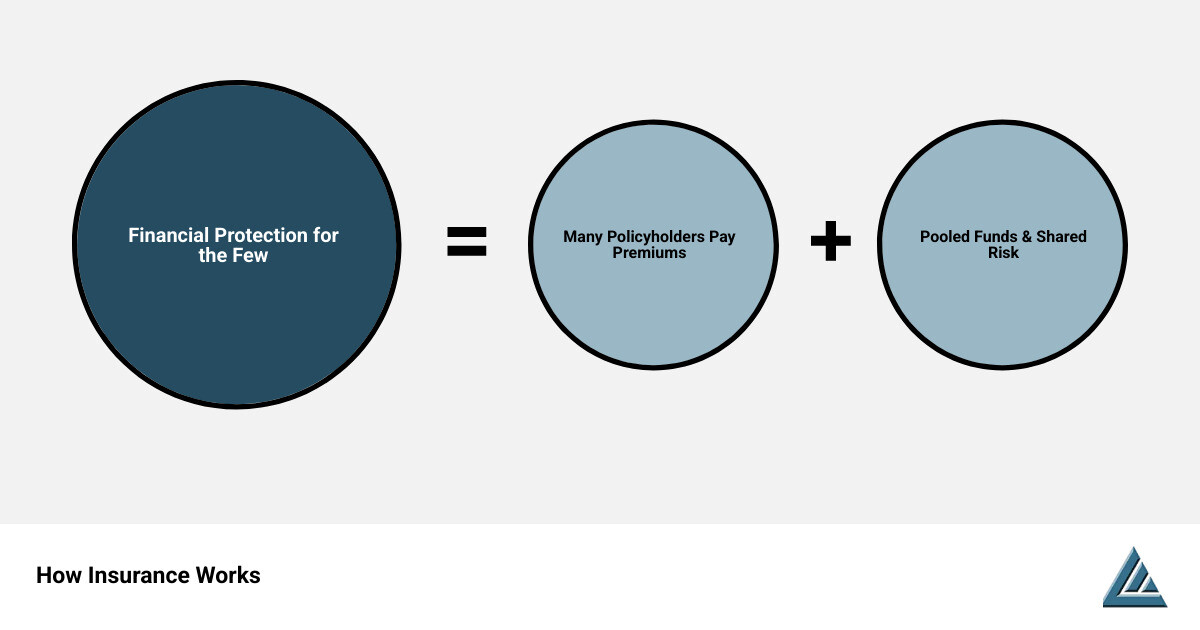
Insurance works by pooling premiums from many policyholders to pay for the unexpected losses of a few. This allows you to protect your most valuable assets—your car, home, or business—without having to set aside large sums of money for every possible risk. (For a concise, neutral overview of the concept, see the Insurance article on Wikipedia.) For a business owner, the right insurance policy is a financial safety net that helps you recover quickly and maintain continuity.
Your car, home, and business are significant investments, making it crucial to understand your coverage before a disaster strikes. This guide will explain what an insurance policy is, explore different types of coverage, show you how to purchase the right protection, and teach you how to manage your policies effectively.
I’m Andrew Harris, a Certified Insurance Counselor (CIC) and Accredited Advisor in Insurance (AAI). With extensive experience at Liberty Insurance and in leadership roles with the Professional Insurance Agents of New Jersey, I’ve helped countless clients find the right insurance policy to protect their most valuable assets.
Insurance policy vocab explained:
What Is an Insurance Policy and How Does It Work?

An insurance policy is a financial safety net. At its core, it’s a legal contract where you pay regular premiums to an insurance company, and in return, they promise to help cover specific financial losses. The fundamental purpose is to transfer risk from your shoulders to theirs, providing a buffer against potentially devastating events like a car accident, house fire, or business theft.
Insurance works through risk pooling. Companies collect premiums from thousands of policyholders and use that shared pool of money to pay the claims of the few who experience a covered loss. This collective approach makes protection affordable for everyone.
The Core Concept: A Contract for Financial Protection
Every insurance policy is a contractual agreement. You promise to pay your premiums and provide accurate information; your insurer promises to pay for covered events (perils) up to the limits outlined in your policy. This risk transfer system is possible because insurers are experts at calculating odds, knowing that while one house might have a fire, it’s highly unlikely all their policyholders’ homes will.
The process is simple: you pay a premium to maintain coverage. When a covered event occurs, you file a claim. The insurer reviews it and, upon approval, pays out according to your policy terms, minus any deductible. Whether for personal assets or business operations, understanding this concept is key. For personal needs, explore More info about Personal Insurance. Business owners can find options at More info about Business Insurance.
Deconstructing Your Policy Document
Your insurance policy document is organized logically. Here are the key sections to know:
- Declarations Page: This is your policy’s one-page summary. It shows who is insured, what is covered, your policy dates, coverage limits, and your deductible.
- Insuring Agreement: This section contains the insurer’s core promise, outlining what perils are covered and the general scope of protection.
- Conditions: This details your responsibilities as the policyholder. These are the rules you must follow to keep your coverage valid. Common conditions include paying premiums on time, providing prompt notice of a claim, protecting property from further damage after a loss (mitigation), and cooperating with the insurer’s investigation.
- Exclusions: This critical section lists what your policy doesn’t cover. It’s vital to read this to avoid surprises. For example, standard home policies often exclude perils like floods, earthquakes, and sewer backups, which require separate coverage or endorsements. Other common exclusions might include intentional acts, damage from wear and tear, or losses related to war.
- Endorsements/Riders: These are add-ons that customize your policy, either by expanding or limiting coverage to fit your specific needs.
- Limits: These define the maximum amount your insurer will pay for a loss.
- Deductible: This is the amount you pay out-of-pocket on a claim before your insurance kicks in.
Why Understanding Your Coverage is Non-Negotiable
An insurance policy is a vital legal document, yet many people don’t read it. This can lead to costly surprises. Understanding your policy helps you avoid claim denials by knowing what’s covered and what’s excluded. It provides genuine peace of mind, confirming your assets are properly protected before a disaster strikes. Knowing your responsibilities as a policyholder—like paying premiums on time—is crucial for keeping your coverage active. Don’t wait until you’re filing a claim to find a shortfall in your protection.
A Look Inside the Insurance Process: From Application to Approval

Getting an insurance policy is a straightforward process. It involves submitting an application, an underwriting review where the insurer assesses your risk, and finally, receiving a premium quote and coverage decision. The goal for the insurer is to evaluate how likely you are to file a claim.
The Underwriting Process: How Insurers Assess Risk
Underwriting is the risk assessment process insurers use to decide whether to offer you a policy and at what price. It’s an objective evaluation based on data. Underwriters examine several factors:
- Personal Details: Your age and health status are key for life and health insurance.
- Lifestyle: Habits like smoking or engaging in high-risk hobbies can affect your risk profile.
- Financial and Claims History: Your credit history can indicate responsibility, while a history of past claims may suggest a higher likelihood of future ones.
- Location: Where you live or operate a business matters. We evaluate risks specific to areas like Millstone Township NJ, Trenton NJ, Toms River NJ, New Brunswick NJ, and Princeton NJ, considering factors like crime rates or flood risks.
- Value of Insured Item: A luxury car or a large commercial building will cost more to insure than a basic sedan or a small office.
- Evidence of Insurability: For some policies, you may need to complete a medical exam or allow a property inspection.
For example, when underwriting an auto policy, they will scrutinize your driving record, the type of vehicle you drive, and your annual mileage. For a home insurance policy, factors like the home’s age, construction materials (e.g., brick vs. frame), roof condition, and proximity to a fire station are all carefully evaluated. This data-driven approach allows insurers to price risk accurately for each individual applicant. This analysis determines your eligibility, premium, and any special conditions for your insurance policy.
How Premiums and Eligibility Are Determined
After the risk assessment, your premium is calculated. The main factors are your risk profile, the amount of coverage you select, and your chosen deductible. A lower risk profile, less coverage, or a higher deductible will generally result in a lower premium.
Honesty on your application is critical. Misrepresentation can lead to your insurance policy being voided or a claim being denied when you need it most. It can also make it harder and more expensive to get coverage in the future. It’s always best to provide a complete and accurate picture of your situation.
How to Purchase Insurance: Agents vs. Brokers
When you’re ready to buy an insurance policy, you have a few options:
- Directly from an Insurer: This can be efficient if you know what you need and are comfortable doing your own research online or over the phone.
- Insurance Agent: An agent represents a single company and has deep knowledge of its products. They can offer specialized expertise.
- Insurance Broker: A broker works with multiple insurance companies and can shop around to find the best coverage and rates for your needs.
Working with a licensed professional, like an agent or broker, is highly recommended. They provide invaluable guidance through the application and can help you secure the right coverage. If you’re ready to explore your options, you can start by getting an Insurance Quote to see what might work for you.
Exploring Common Types of Insurance Policies

Insurance is broadly divided into personal lines (for you and your family) and commercial lines (for businesses). Your needs evolve with your life stages, so it’s important to match the right insurance policy to your current situation, whether you’re renting an apartment, buying a home, or starting a business.
Protecting Your Assets: Home, Auto, and More
These policies protect your tangible investments:
- Auto Insurance: Required in most states, it covers damage to your vehicle and liability for injuries or damage to others in an accident.
- Home Insurance: Protects your house and personal belongings from perils like fire and theft, and includes liability coverage if someone is injured on your property.
- Renters Insurance: Covers your personal belongings and liability within a rental property, as your landlord’s policy only covers the building itself.
- Travel Insurance: Handles unexpected events on a trip, such as medical emergencies, cancellations, or lost luggage.
- Specialty Policies: For unique assets, you can get specific coverage like Boat Insurance, RV Insurance, or High Value Items Insurance.
Securing Your Future: Life and Health Insurance
These policies protect your financial well-being and that of your loved ones:
- Life Insurance: Provides a tax-free payment to your beneficiaries upon your death. This can replace lost income, pay off debts, or fund education. Term life offers affordable coverage for a set period, while permanent life provides lifelong coverage and builds cash value. It’s generally cheaper to buy when you’re young and healthy.
- Critical Illness Insurance: Pays a lump-sum benefit if you are diagnosed with a covered illness like cancer or a heart attack, allowing you to focus on recovery without financial stress.
- Health and Dental Insurance: Helps cover medical and dental costs not paid for by government health plans.
For more details, explore our Life & Health Benefits Insurance options.
Specialized Coverage for Life’s Milestones and Events
Your insurance needs change with major life events. Starting a family or buying a home increases the need for life and home insurance. Changing careers can affect your income and benefits, requiring a policy review.
Special events and business ventures also need protection:
- Wedding Insurance: Protects your financial investment in a wedding against unforeseen cancellations or vendor issues.
- Event Insurance: Covers liability and cancellation risks for larger gatherings like conferences or concerts.
- Business Insurance: For business owners, Commercial Property Insurance is essential to protect buildings, equipment, and inventory. General Liability Insurance NJ is also crucial, protecting against claims of injury or property damage. We specialize in protecting businesses across New Jersey, including Millstone Township NJ, Trenton NJ, Toms River NJ, New Brunswick NJ, and Princeton NJ.
Managing Your Coverage: Maintenance, Cancellation, and Protection
Getting your insurance policy is just the first step. Like any important asset, it requires regular maintenance to ensure it continues to protect you effectively.
How to Maintain and Renew Your Coverage
Maintaining your policy is simple. First, pay your premiums on time to avoid a lapse in coverage, which can make future insurance more expensive. Second, notify your insurer of significant life changes, such as adding a new driver, renovating your home, or starting a home business. These changes can affect your risk and coverage needs.
Each year, you’ll receive a renewal notice. This is a perfect time to review your policy for any changes and ensure it still meets your needs. In some cases, an insurer might not renew a policy due to a high number of claims or a significant change in risk, but you will always receive a written explanation.
The Process of Cancelling an Insurance Policy
If you need to cancel your insurance policy, perhaps because you sold your car or found different coverage, it’s important to do it correctly. Provide written notice to your insurer and follow the cancellation procedures in your contract. Be aware that cancelling mid-term may result in a penalty or a smaller refund. Many life insurance policies also include a “free look” period (often 10 days) after purchase, during which you can cancel for a full refund.
Digital Tools for Modern Policy Management
Technology has made managing your insurance policy easier than ever. Our online portals and mobile apps provide 24/7 access to your policy documents, allow you to make payments, update information, and track claims. A key feature is digital proof of insurance, which you can access on your phone and add to a digital wallet, eliminating the need to search for paper cards.
Smart Strategies for Saving on Your Insurance Premiums

While an insurance policy is an essential investment, there are many smart strategies to lower your premiums without sacrificing necessary coverage. We’re here to help you find those opportunities.
The Power of Bundling: Combining Policies for Savings
One of the easiest ways to save is by bundling your policies. This means purchasing multiple types of insurance, such as your home and auto policies, from the same company. Insurers often reward this loyalty with significant discounts. Beyond the savings, bundling simplifies your life by giving you one point of contact and a single bill for multiple policies. Explore your options for More info on Auto Insurance and Quotes to see how bundling can work for you.
Common Insurance Discounts
Beyond bundling, a variety of discounts may be available. Always ask your insurance professional about potential savings, which can include:
- Safe Driver Discounts: For maintaining a clean driving record.
- Good Student Discounts: For young drivers who achieve good grades.
- Claims-Free History: For not filing claims over a certain period.
- Home Security: For installing alarm systems, smoke detectors, or other safety devices.
- Multi-Vehicle Policies: For insuring more than one car with the same company.
- Loyalty Discounts: For being a long-term customer.
- Group Rates: Through employers, professional associations, or alumni groups.
The Rise of Usage-Based Insurance
Technology is creating new ways to save, particularly with Usage-Based Insurance (UBI), also known as telematics. A mobile app or a small device in your car monitors driving habits like braking, acceleration, speed, and mileage. The safer you drive, the more you can save on your car insurance. This approach allows your premium to be based on your actual driving behavior, offering a fair and personalized way to price your insurance policy.
Frequently Asked Questions About Insurance Policies
What’s the most important part of an insurance policy to read?
While your entire insurance policy is an important legal contract, you should pay special attention to two sections. First, review the Declarations Page. It’s a summary of your coverage, showing who and what is covered, your policy limits, and your deductible. Second, read the Exclusions section. Understanding what is not covered is crucial for preventing surprises when you need to file a claim. We encourage our clients in Millstone Township NJ, Trenton NJ, Toms River NJ, New Brunswick NJ, and Princeton NJ to review these sections carefully.
How often should I review my insurance policies?
It’s wise to review your policies at least once a year, typically at renewal time. This serves as an annual checkup for your financial protection. You should also review your coverage after any major life event, such as getting married, buying a home, starting a business, or adding a new driver to your household. Life changes can create gaps in your coverage, and an outdated insurance policy might leave you underinsured when you need it most.
What happens if I’m not honest on my insurance application?
Honesty is essential when applying for insurance. Providing false information is considered misrepresentation or fraud and can have severe consequences. The insurer could void your insurance policy, meaning you have no coverage at all. They could also deny a claim, leaving you responsible for the entire loss. Furthermore, a history of misrepresentation can make it much more difficult and expensive to get insurance in the future. It is always better to be truthful and work with us to find legitimate ways to manage your premiums.
What is the difference between ‘actual cash value’ and ‘replacement cost’?
This is a crucial distinction, especially for home and auto insurance. Actual Cash Value (ACV) pays for the value of the damaged item at the time of the loss. It’s the replacement cost minus depreciation. For example, if your 10-year-old roof is destroyed, ACV would only pay for a fraction of a new one. Replacement Cost Value (RCV), on the other hand, pays the full cost to replace the item with a new one of similar kind and quality, without deducting for depreciation. While RCV coverage has higher premiums, it provides much greater financial protection against a major loss.
Conclusion
An insurance policy is more than just paperwork—it’s your financial shield against life’s unexpected events. Whether protecting your home, car, or business, the right policy provides a crucial safety net, turning a potential catastrophe into a manageable setback.
The key takeaways are simple: understand your policy by reading the key sections, shop for the right coverage by comparing options and asking for discounts, and review your coverage regularly to ensure it keeps up with your life.
Knowledge empowers you to make decisions that protect your financial security. At Liberty Insurance, we are committed to providing clear, comprehensive coverage our clients can count on. We serve homeowners and business owners throughout New Jersey, including Millstone Township NJ, Trenton NJ, Toms River NJ, New Brunswick NJ, and Princeton NJ, with expertise in both personal and commercial lines.
Your insurance policy should provide peace of mind, not confusion. Ready to take the next step? Explore our Personal Auto Insurance options today and find the security you deserve.

