
Why Liquor Liability Matters to Your Business
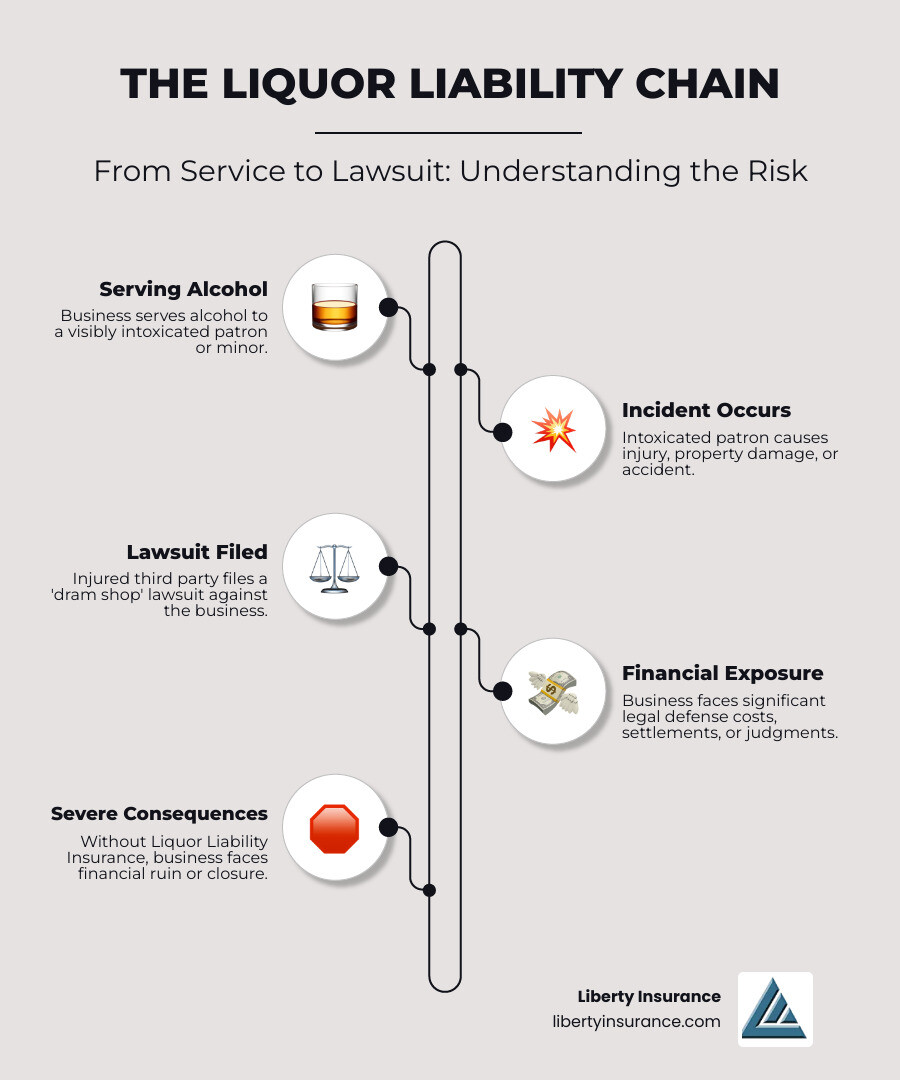
What is liquor liability? Liquor liability is the legal responsibility a business assumes when it serves, sells, or distributes alcoholic beverages to patrons who then cause injury or property damage to others. Under laws known as “dram shop” laws, which exist in 44 states and the District of Columbia, your business can be held financially accountable if you serve alcohol to someone who is visibly intoxicated or underage, and that person subsequently harms themselves or others through drunk driving, assault, or other alcohol-related incidents.
Key Facts About Liquor Liability:
- Legal Foundation: Dram shop laws allow third parties injured by intoxicated individuals to sue the establishment that served them alcohol
- Financial Risk: Settlements and judgments regularly exceed $1 million, with one case settling for $1.2 million after a fatal drunk driving crash
- Coverage Gap: Standard general liability insurance typically excludes liquor-related claims for businesses that profit from alcohol sales
- Who Needs Protection: Bars, restaurants, liquor stores, caterers, breweries, wineries, and any business that manufactures, sells, or serves alcohol
The consequences of inadequate protection are severe. When a bar in Texas was sued after a 19-year-old patron caused a fatal drunk driving accident, the parents claimed $1 million in damages. In another case, an airline faced a lawsuit after allegedly overserving a passenger who then caused a fatal crash in an airport parking lot. These tragic cases illustrate why liquor liability insurance is not optional—it’s a financial necessity for businesses involved in alcohol service.
I’m Andrew Harris, and as a Certified Insurance Counselor with PIA National’s Agent of the Year recognition, I’ve helped countless New Jersey businesses understand what is liquor liability and how proper coverage protects them from potentially devastating lawsuits. Whether you run a restaurant, operate a catering business, or host company events where alcohol is served, understanding this essential coverage could mean the difference between weathering a claim and facing financial ruin.
What is Liquor Liability? The Legal Foundation
Understanding the legal framework behind what is liquor liability is the first step toward safeguarding your business. At its core, liquor liability is the legal responsibility establishments have for the actions of their intoxicated patrons. This responsibility stems from state-specific “dram shop” laws.
If a business serves alcohol to a visibly intoxicated person or a minor who then causes harm, the business can be held liable. This liability can manifest in several ways:
- Drunk Driving Accidents: The most common scenario, where an overserved patron causes an accident. The National Highway Traffic Safety Administration (NHTSA) reports that 37 people die in drunk driving crashes daily in the U.S., highlighting the tragic risk.
- Assaults and Fights: Intoxicated patrons may become aggressive, leading to injuries and lawsuits.
- Property Damage: An inebriated individual could damage property on or off your premises.
The goal of these laws is to promote responsible alcohol service and reduce alcohol-related harm.
The Role of “Dram Shop” Laws
The term “dram shop” comes from 18th-century England, where gin was sold by the “dram” (a spoonful). Today, these laws hold businesses accountable for their patrons’ actions. Most states, including New Jersey, have dram shop laws. Generally, businesses can be held liable for serving alcohol to:
- Minors: Serving anyone under the legal drinking age often leads to strict liability if that minor causes harm.
- Visibly Intoxicated Patrons: Businesses must recognize and refuse service to intoxicated individuals. This is often based on an “obvious intoxication test,” where staff knew or should have known the person was intoxicated. Signs of visible intoxication can include slurred speech, stumbling or lack of coordination, aggressive or belligerent behavior, and a strong odor of alcohol. Proper training is essential for staff to confidently identify these signs and refuse service appropriately.
You can learn more about these laws by checking resources like See Which States Have Dram Shop Laws, which provides a good overview of the landscape.
Real-World Consequences
The impact of liquor liability is not theoretical. Lawsuits can result in:
- Million-Dollar Settlements: Damages can easily reach seven figures. For instance, a New Jersey dram shop lawsuit settled for $1.2 million after a fatal crash caused by a driver with a 0.193 blood alcohol level.
- Bodily Injury Claims: Covering medical bills, lost wages, and pain and suffering.
- Property Damage Claims: Paying for repairs or replacement of damaged property.
- Wrongful Death Lawsuits: The most tragic and financially devastating claims.
- Reputational Damage: A lawsuit can tarnish a business’s image and drive away customers.
Without adequate protection, these consequences can lead to financial ruin. This is why understanding what is liquor liability is critical for any New Jersey business serving alcohol.
Liquor Liability Insurance vs. Other Policies
Navigating business insurance can be confusing, especially when alcohol is involved. Many business owners mistakenly believe their general liability insurance covers all risks, but this is a dangerous assumption. Let’s clarify the crucial differences between liquor liability, general liability, and host liquor liability coverage.
General Liability Insurance Limitations
Your Commercial General Insurance is the first line of defense against common business risks like:
- Bodily Injury: A customer slips and falls on a wet floor.
- Property Damage: An employee accidentally damages a client’s property.
- Advertising Injury: Claims of libel or slander in your marketing.
However, most general liability policies have a liquor liability exclusion. This means if your business profits from manufacturing, distributing, selling, or serving alcohol, your general liability policy will not cover claims from alcohol-related incidents. This creates a massive coverage gap, which is why dedicated liquor liability insurance is essential.
Host Liquor Liability for Incidental Exposure
What if your business doesn’t sell alcohol but occasionally serves it? Think of:
- An accounting firm in Princeton, NJ, hosting a holiday party with complimentary wine.
- A retail store in New Brunswick, NJ, offering champagne at a grand opening.
These businesses have “incidental” exposure. For them, host liquor liability coverage is usually included in their standard general liability policy. It protects them if a guest becomes intoxicated and causes harm. It’s vital to confirm this coverage exists in your policy. For a deeper dive, you can explore What is Host Liquor Liability Insurance?. Understanding these distinctions is key for our New Jersey clients to ensure they’re properly covered.
Understanding Your Coverage Needs
Determining your specific liquor liability coverage needs is like tailoring a suit – it has to fit your business perfectly. It’s not a one-size-fits-all solution, especially for the diverse businesses serving alcohol in New Jersey.

Who Needs Liquor Liability Insurance?
If your business profits from the sale, manufacture, or distribution of alcohol, you need liquor liability insurance. This isn’t a suggestion; it’s a critical safeguard. Businesses that require this coverage include:
- Bars and Taverns: Their primary business is selling and serving alcohol.
- Restaurants: Alcohol sales are often a significant part of their revenue.
- Nightclubs: High-volume alcohol service makes this coverage indispensable.
- Breweries, Wineries, and Distilleries: They manufacture and often sell alcohol directly to consumers.
- Liquor and Convenience Stores: They can be held liable for selling to minors or visibly intoxicated individuals.
- Grocery Stores: Many now sell beer and wine, creating the need for this coverage.
- Caterers: Providing alcohol at events creates significant liability. Liberty Insurance specializes in Liquor Liability Insurance for Caterers.
- Event Venues: Venues in New Jersey hosting events where alcohol is served need this protection.
For our clients with Bars, Restaurants and Taverns Liquor Liability Insurance in Trenton, Millstone Township, or anywhere in New Jersey, this insurance is a cornerstone of responsible operation.
What Does Liquor Liability Insurance Cover?
Liquor liability insurance provides robust financial protection against a range of potential claims. This specialized coverage helps protect your business from:
- Legal Defense Costs: Covers legal fees, even if a claim is baseless.
- Court Fees and Settlements/Judgments: Pays for settlements or court-ordered judgments if your business is found liable.
- Bodily Injury Claims: Covers medical expenses, lost wages, and pain and suffering for third parties injured by an intoxicated patron.
- Property Damage Claims: Helps cover repair or replacement costs for property damaged by an intoxicated person.
- Assault and Battery Coverage: This is a critical component that is sometimes included but may also be offered as an endorsement with its own sub-limit. It provides protection against claims arising from fights or altercations involving intoxicated patrons. Given that alcohol can lower inhibitions and increase aggression, this coverage is especially vital for bars, nightclubs, and venues with late hours or live entertainment.
Essentially, What Does Liquor Liability Insurance Cover is designed to shield your business from the financial fallout of alcohol-related incidents.
Common Policy Exclusions and Limitations
Like any policy, liquor liability insurance has specific exclusions. Understanding these is crucial to avoid surprises:
- Damage to Your Own Business Property: This is typically covered by your commercial property insurance.
- Injuries to Employees: This falls under Workers’ Compensation insurance.
- Serving Minors Intentionally: Gross negligence or intentional violation of the law might void coverage.
- Operating Without a Valid Liquor License: Your policy could be invalidated if you operate without the proper permits in New Jersey.
- Libel or Slander: These claims are usually excluded unless tied to a covered assault and battery claim.
- Illegal Activities: Claims arising from illegal acts by your business are typically not covered.
Always review your specific policy with your Liberty Insurance agent to understand exactly what is and isn’t covered.
The Cost of Coverage and How to Manage It
The cost of liquor liability insurance can vary as much as the drink menu at a popular New Brunswick bar. There’s no flat fee; instead, it’s calculated based on several factors unique to your business. The good news is that understanding these factors empowers you to make informed decisions and even save money.
How is the Cost of Liquor Liability Insurance Determined?
When we assess the cost of your liquor liability insurance in New Jersey, we look at a comprehensive set of factors:
- Percentage of Alcohol Sales: This is a big one. The higher the percentage of your revenue from alcohol, the higher your risk and premium. A quiet restaurant with a small wine list will pay less than a busy nightclub.
- Business Type and Location: A bar in a high-traffic area like Trenton with a dance floor and late hours might face higher risks and premiums than a quiet family restaurant in Millstone Township that closes at 9 PM. Insurers assess the specific environment: does the venue have bouncers? Is there live, high-energy music? These factors contribute to the overall risk profile and, consequently, the premium.
- State Laws: New Jersey’s dram shop laws influence the level of risk insurers take on, impacting pricing.
- Claims History: A business with a history of liquor liability claims will face higher premiums. A clean record indicates responsible operations.
- Coverage Limits and Deductibles: Higher coverage limits increase your premium, while a higher deductible (your out-of-pocket cost) can lower it.
- Employee Training Programs: Businesses that invest in responsible alcohol service training (like TIPS or TAMS) often qualify for discounts.
- Hours of Operation: Establishments open late may face higher premiums due to increased risk.
The best way to find out your specific liquor liability insurance cost is to contact Liberty Insurance directly. Our team at Liberty Insurance is ready to help our New Jersey clients steer these factors.
Strategies to Save on Your Premiums
While liquor liability insurance is a crucial investment, there are smart strategies to manage costs without compromising protection:
- Bundling with a Business Owners Insurance Policy: Many insurers offer discounts when you bundle multiple policies, such as your general liability, property, and liquor liability insurance.
- Implementing Server Training Programs (TIPS/TAMS): Certified alcohol awareness training for your staff demonstrates a commitment to responsible service and can earn premium discounts.
- Maintaining a Clean Claims Record: Avoiding incidents through diligent risk management is the best way to keep premiums low over time.
- Choosing a Higher Deductible: If your business has healthy cash reserves, a higher deductible can lower your annual premium. Be sure you’re comfortable paying that amount if a claim arises.
- Enforcing Strict Serving Policies: Clear, written policies on ID checks and refusing service show insurers you’re serious about risk reduction.
- Paying Premiums Annually: Paying your entire premium upfront can sometimes result in a small discount.
Mitigating Risk: Beyond the Insurance Policy
Having the right insurance policy is vital, but it’s only half of the equation. The other half is proactive risk management. Think of insurance as a protective suit and risk management as the training and strategy that prevent unnecessary battles.
What is liquor liability risk management?
Liquor liability risk management involves implementing best practices to prevent alcohol-related incidents, protect patrons, and safeguard your business from lawsuits. For our New Jersey businesses, these strategies are non-negotiable:
- Mandatory Server Training: All staff serving alcohol should undergo certified training (like TIPS or TAMS) to learn how to recognize intoxication, verify IDs, and handle difficult situations.
- Written Alcohol Service Policies: Develop and enforce clear, written policies on responsible service, including refusing service and managing intoxicated patrons.
- Rigorous ID Checks: Implement a strict policy for checking IDs for anyone who appears under a certain age, not just those who look underage. Consider using ID scanners.
- Promoting Food and Non-Alcoholic Drinks: Encourage patrons to eat, as food slows alcohol absorption. Offer attractive non-alcoholic options and make water readily available.
- Arranging Safe Rides Home: Partner with local taxi or rideshare companies. Offer to call a ride for any patron who appears too intoxicated to drive.
- Security Personnel: For high-volume establishments, adequate security can help de-escalate situations before they become violent.
- Document Everything and Have an Incident Response Plan: Maintain a detailed logbook of any incidents, refusals of service, or altercations. Train staff on what to do immediately following an incident: secure video footage, get witness contact information, never admit fault, and contact your insurance agent immediately. This documentation can be invaluable in defending against a claim.
These practices not only reduce your liability but also foster a safer environment. The Information from the National Highway Traffic Safety Administration consistently reminds us that prevention is key.
The Consequences of Inadequate Coverage
Ignoring the need for adequate liquor liability coverage is like playing Russian roulette with your business. The consequences of a significant alcohol-related incident without proper insurance can be devastating:
- Catastrophic Financial Loss: Without insurance, your business is solely responsible for all legal defense costs, settlements, and judgments, which can run into the millions.
- Paying for Legal Fees and Settlements Out-of-Pocket: Facing a $1.2 million settlement (like the one in New Jersey) without insurance could mean your business and personal assets are at stake.
- Loss of Liquor License: New Jersey’s Division of Alcoholic Beverage Control can suspend or revoke your license for violations, shutting down a core part of your business.
- Forced Business Closure: The financial strain of a lawsuit can force a business to close permanently.
- Criminal Liability: In severe cases, owners or employees could face criminal charges for gross negligence.
- Irreparable Damage to Reputation: The public relations nightmare of an alcohol-related incident can destroy customer trust.
For our clients in Toms River, New Brunswick, and throughout New Jersey, we cannot stress enough: comprehensive liquor liability insurance is a critical investment in the long-term viability of your business.
Frequently Asked Questions about What is Liquor Liability
We often hear similar questions from our New Jersey clients when discussing what is liquor liability and the importance of this specialized coverage. Let’s tackle some of the most common ones.
Is liquor liability insurance required by law?
While there isn’t a federal law mandating liquor liability insurance across the board, the answer for many businesses in New Jersey is a resounding “yes, practically speaking.” Many states, including New Jersey, have dram shop laws that impose significant liability on businesses that serve alcohol. Because of these laws, many local jurisdictions and even landlords will require proof of liquor liability insurance before issuing a license or signing a lease. So, while the state might not explicitly say “you must have it,” the legal and operational landscape makes it an absolute necessity for financial protection. Without it, your business faces immense out-of-pocket exposure to legal fees and damages.
What’s the difference between a ‘per occurrence’ and ‘aggregate’ limit?
These terms are crucial for understanding the scope of your coverage:
- Per Occurrence Limit: This is the maximum amount your insurer will pay for a single claim or incident. For example, if your policy has a $1,000,000 per occurrence limit, that’s the most it will pay for all damages and legal costs arising from one specific incident, such as a single drunk driving accident caused by a patron.
- Aggregate Limit: This is the total maximum amount the insurer will pay out for all covered claims during the entire policy period, which is typically one year. So, if you have a $2,000,000 aggregate limit and a $1,000,000 per occurrence limit, the insurer will pay no more than $1,000,000 for any single incident, and no more than $2,000,000 for all incidents combined within that policy year.
Both are critical components of your Liquor Liability Policy and should be carefully reviewed with your Liberty Insurance agent to ensure they align with your business’s risk profile.
Can I get liquor liability insurance for a single event?
Absolutely! For those one-off occasions, such as a wedding, a corporate party, or a community fundraiser in New Jersey, you can absolutely obtain short-term or one-day liquor liability policies. This is often known as Event Liquor Liability Insurance. It’s an essential safeguard for anyone hosting an event where alcohol will be served, protecting you from claims of bodily injury or property damage caused by an intoxicated guest. Whether you’re a caterer, an event planner, or just hosting a large private gathering, this specialized coverage ensures you’re not left holding the bag if an alcohol-related incident occurs.
Conclusion
Understanding what is liquor liability is not just an academic exercise; it’s a fundamental requirement for any business in New Jersey that sells, serves, or distributes alcohol. From the historical “dram shop” laws to the modern-day million-dollar settlements, the risks are real and substantial.
We’ve explored how liquor liability insurance differs from general liability, identified who needs this critical protection, detailed what it covers, and outlined strategies to manage its cost. Crucially, we’ve emphasized that insurance is best paired with proactive risk management – a dual strategy that builds a robust shield around your business.
At Liberty Insurance, we pride ourselves on being more than just policy providers. We are your trusted partner, here to help our clients in Millstone Township, Trenton, Toms River, New Brunswick, and Princeton, NJ, steer these complex waters. We believe in empowering you with the knowledge and tools to protect your business, your reputation, and your peace of mind.
Don’t leave your business vulnerable to the unpredictable nature of alcohol-related incidents. Protect your business and your events. Learn more about your options for Event Liquor Liability Insurance today.

