
Manufacturing liability insurance is a crucial safety net for businesses navigating the complex and unpredictable world of manufacturing. Manufacturers face numerous challenges, such as intricate supply chains, advancing technologies, skilled labor shortages, and reliance on specialized machinery. These factors can expose businesses to significant risks.
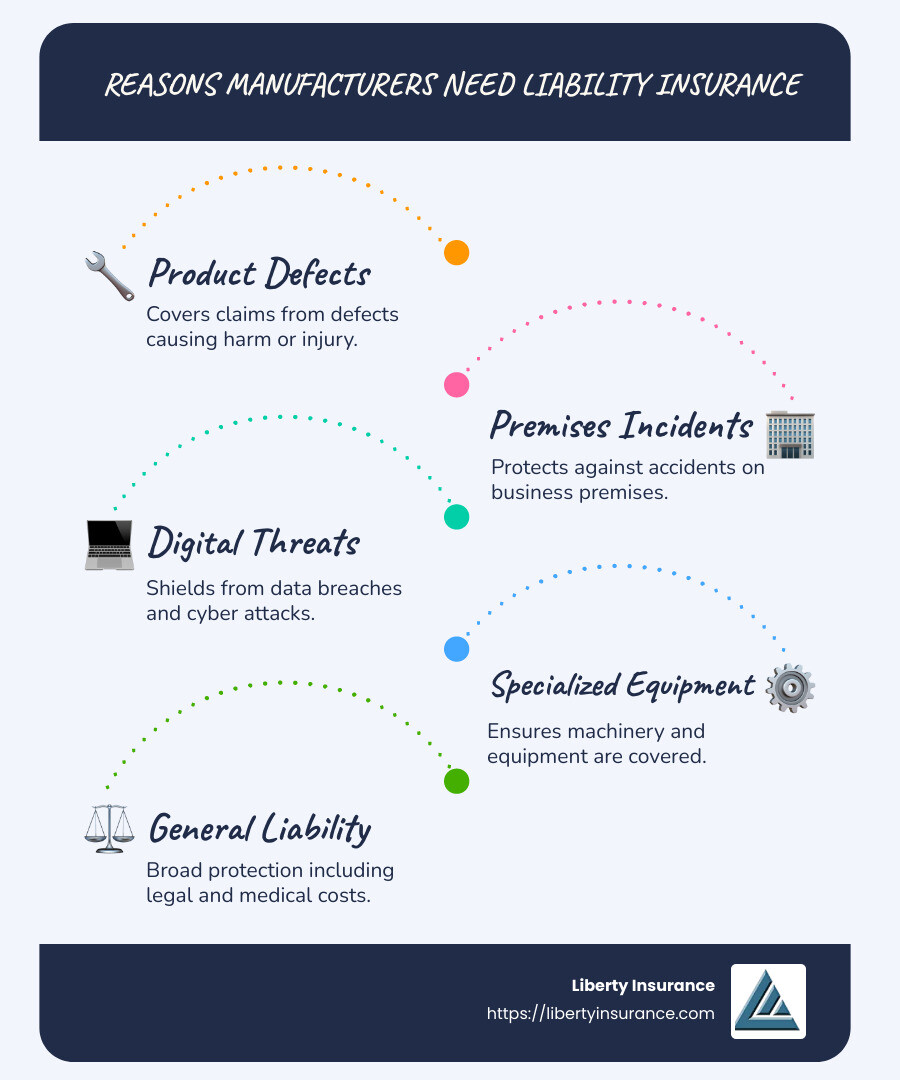
Here’s why manufacturers need manufacturing liability insurance:
- Product Liability: Protects against claims related to product defects causing harm or injury.
- Premises Liability: Covers incidents occurring at the business premises.
- General Liability: Offers a broad range of protections, including legal and medical costs for bodily injuries or damage to property.
- Cyber Liability: Shields businesses from digital threats and data breaches.
I’m Andrew Harris, and I’ve dedicated my career to mastering the intricacies of manufacturing liability insurance. As a Certified Insurance Counselor and Accredited Advisor in Insurance with extensive industry experience, I strive to provide businesses with the essential coverage they need to thrive amidst uncertainties. Stay tuned to dive deeper into how these insurance solutions can safeguard your business effectively.
Understanding Manufacturing Liability Insurance
When it comes to manufacturing liability insurance, there are four key components every manufacturer should understand: product liability, premises liability, general liability, and cyber liability. Each plays a vital role in protecting your business from unforeseen challenges.
Product Liability
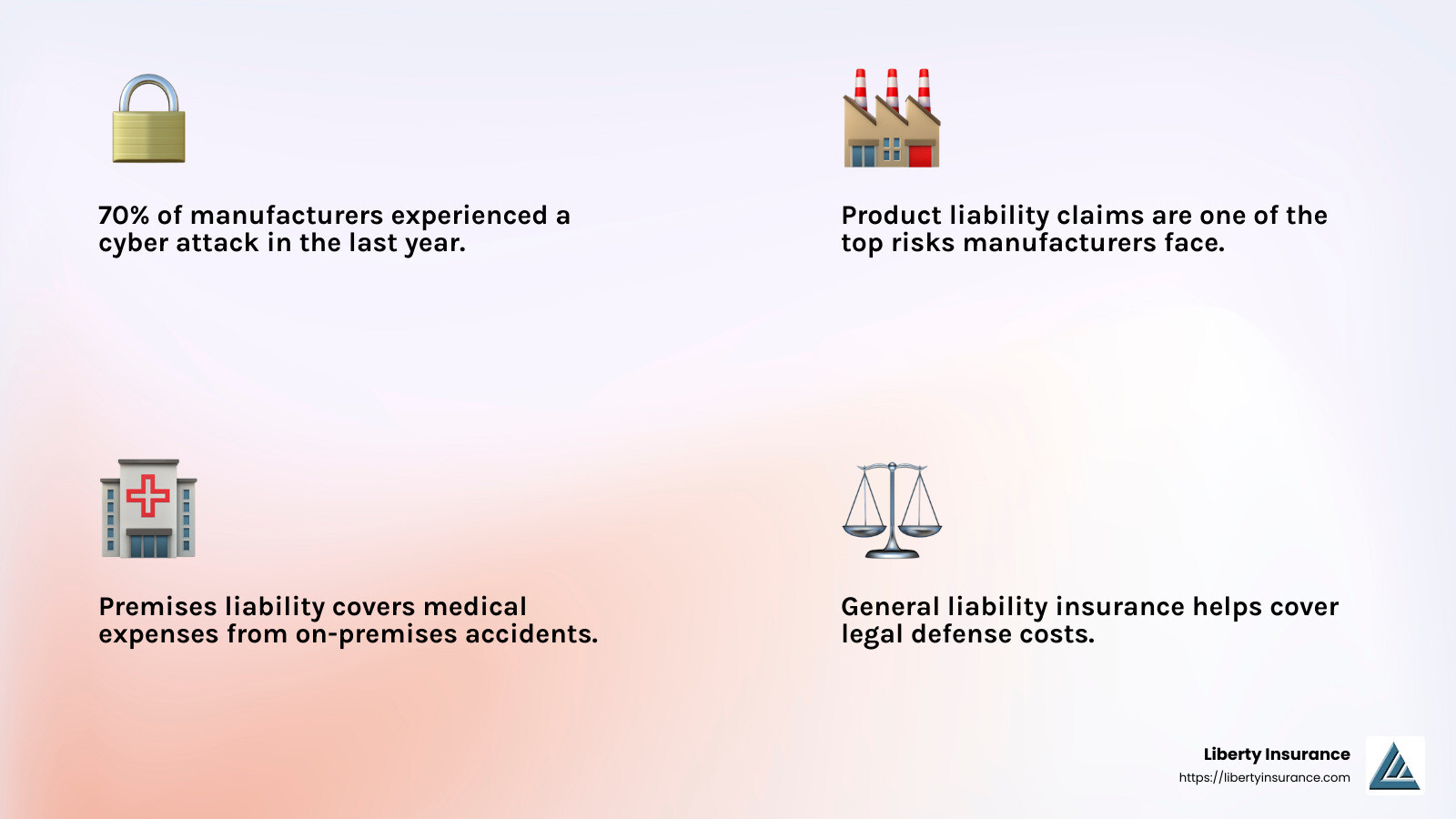
Product liability insurance is a must-have for any manufacturer. It covers claims related to injuries or damages caused by your products. Imagine a scenario where a defect in your product leads to customer harm. Without this insurance, your business could face hefty legal fees and compensation costs. A survey revealed that product liability claims are one of the top risks manufacturers face, making this coverage essential.
Premises Liability
Premises liability insurance protects you if someone gets injured at your business location. For instance, if a visitor slips and falls in your office or factory, this insurance covers medical expenses and legal fees. Given that accidents can happen unexpectedly, having premises liability coverage ensures you’re prepared for such incidents.
General Liability
General liability insurance offers broad protection. It covers third-party bodily injuries, property damage, and even advertising injuries. This type of insurance is like a safety net for various unforeseen events that could lead to lawsuits. It helps with legal defense costs and settlements, which can otherwise strain your business financially.
Cyber Liability
Cyber liability insurance is crucial. It protects against data breaches and cyberattacks, which can be devastating for any business. With cyber threats on the rise, having this insurance ensures you’re covered for costs related to data recovery, legal fees, and potential regulatory fines. According to industry reports, cyber incidents are a growing concern for manufacturers, making this coverage more important than ever.
Each of these components of manufacturing liability insurance serves a unique purpose, collectively providing a comprehensive shield for your business. Understanding and investing in these coverages can save your business from financial turmoil and help maintain its reputation in the market.
Next, we’ll explore the key components that make up these insurance policies, ensuring you have a clear understanding of how they work together to protect your manufacturing business.
Key Components of Manufacturing Liability Insurance
When diving deeper into manufacturing liability insurance, it’s important to understand three critical components: completed operations, batch clause, and errors and omissions. Each plays a unique role in safeguarding your business from potential risks.
Completed Operations
Completed operations insurance is essential for manufacturers and contractors alike. This coverage kicks in after a product or project is finished. For example, if a metal railing you installed collapses months later, causing injury, completed operations insurance helps cover the claim. This is crucial because, according to Investopedia, such incidents can lead to significant financial liabilities.
Batch Clause
The batch clause is a lesser-known but vital component. It aggregates claims from a single defect or issue into one occurrence. Imagine a scenario where a batch of products has a defect. Instead of treating each claim individually, the batch clause allows them to be considered as one event. This can limit your financial exposure and simplify the claims process, providing peace of mind.
Errors and Omissions
Errors and omissions (E&O) insurance is often associated with professional services, but it holds importance for manufacturers too. It covers mistakes or negligence in your work that cause harm to a client. For instance, if a design error leads to a faulty product that causes damage, E&O insurance helps cover the legal costs. This type of coverage ensures that even if human error occurs, your business remains protected from costly lawsuits.
Together, these components form a robust framework within manufacturing liability insurance. They ensure that your business is prepared for various scenarios, from completed projects to unforeseen errors. Understanding these elements can help you make informed decisions about the insurance coverage your manufacturing business needs to thrive.
Next, we’ll dig into specialized coverage options for manufacturers, exploring how custom solutions, risk control, and claim services can further protect your business.
Specialized Coverage Options for Manufacturers
When it comes to manufacturing liability insurance, one size doesn’t fit all. Manufacturers face unique challenges, and insurance must be custom to address these specific needs. Here, we’ll explore how custom solutions, risk control, and claim services can offer improved protection.
Custom Solutions
Manufacturers come in all shapes and sizes, producing everything from textiles to high-tech gadgets. Each product line has its own risks. That’s why creating custom solutions is essential. By working closely with an insurance provider, manufacturers can design policies that fit their exact requirements. Whether you’re dealing with potential defects in a batch of plastic bottles or ensuring the safety of heavy machinery, custom insurance solutions can help mitigate these risks.
Risk Control
Effective risk control is about more than just having insurance—it’s about preventing incidents before they happen. Many insurance providers offer risk control services that help manufacturers identify potential hazards and implement safety measures. For instance, Liberty Insurance provides risk engineering services that include scheduled inspections and maintenance programs for fire protection equipment. This proactive approach helps manufacturers minimize the chances of disruptions due to common perils like fire, extreme weather, or equipment failure.
Claim Services
When things go wrong, having robust claim services is crucial. Fast and efficient claims processing can make all the difference in getting a business back on track. Insurance providers often offer dedicated claim teams that specialize in handling manufacturing-related claims. They understand the intricacies of the industry and can steer complex scenarios, ensuring that claims are processed smoothly and businesses can resume operations with minimal downtime.
By focusing on custom solutions, risk control, and claim services, manufacturers can improve their manufacturing liability insurance coverage. These specialized options provide a comprehensive safety net, allowing businesses to focus on what they do best—producing quality products.
Next, we’ll explore the factors that influence the cost of manufacturing liability insurance, including business size, risk exposure, and coverage amounts.
Cost Factors of Manufacturing Liability Insurance
Understanding the cost of manufacturing liability insurance can be a bit like piecing together a puzzle. Several factors come into play, each influencing the final price of your policy. Let’s break it down.
Business Size
The size of your business is a major factor. Simply put, larger companies often face higher insurance costs. Why? They typically have more employees, larger facilities, and more complex operations, which can increase the likelihood of claims. For example, a large manufacturing plant in Trenton, NJ, might pay more than a small workshop in Millstone Township, NJ, due to its scale and scope of operations.
Risk Exposure
Risk exposure is another key element. Different manufacturing sectors have different levels of risk. A company producing heavy machinery might face more potential hazards than one making textiles. Insurance companies assess these risks carefully. They consider the types of materials used, the complexity of manufacturing processes, and even the history of accidents or claims within the industry. This assessment helps them determine the appropriate premium for your policy.
Coverage Amounts
Finally, the amount of coverage you choose will impact your costs. Higher coverage limits provide more protection but also come with higher premiums. It’s a balancing act—finding the right level of coverage that adequately protects your business without breaking the bank. Businesses must evaluate their unique needs to determine the right amount of coverage. For instance, if your company frequently ships products globally, you might need additional coverage for international liabilities.
In summary, the cost of manufacturing liability insurance is influenced by the size of your business, your specific risk exposures, and the coverage amounts you select. By understanding these factors, you can make informed decisions about the insurance that best fits your manufacturing needs.
Next, we’ll tackle some frequently asked questions about manufacturing liability insurance, such as what types of insurance manufacturers need and how much a typical policy might cost.
Frequently Asked Questions about Manufacturing Liability Insurance
What kind of insurance do manufacturers need?
Manufacturers face unique risks that require specific types of insurance to protect their business operations. Here are the key types:
Product Liability Insurance: This is crucial for manufacturers. It protects against claims of injury or damage caused by your products. For example, if a machine you produced malfunctions and injures someone, this insurance can cover legal fees and settlements.
Premises Liability Insurance: This covers accidents that occur on your business property. If a visitor slips and falls at your New Brunswick facility, premises liability insurance would cover medical expenses and legal costs.
General Liability Insurance: This is a broader coverage that includes both product and premises liability, along with other risks like advertising injury. It’s a comprehensive option for overall protection.
How much does a $1 million policy cost?
The cost of a $1 million manufacturing liability insurance policy varies widely. It depends on several factors:
Business Size: Larger businesses typically pay more due to increased risk and complexity. A large furniture manufacturer in Toms River might pay more than a smaller operation in Princeton.
Risk Exposure: Industries with higher risk levels, like heavy machinery manufacturing, often face higher premiums. Insurance companies assess factors like accident history and the nature of your products to determine risk exposure.
Coverage Amounts: A $1 million policy provides substantial coverage, but if your business faces significant risks, you might need higher limits, which would increase the cost.
It’s essential to get a custom quote based on your specific circumstances to understand the exact cost for your business.
What is the difference between public liability and professional indemnity?
Understanding the distinction between these two types of insurance is crucial for manufacturers:
Public Liability Insurance: This covers claims from third parties for injuries or property damage caused by your business activities. For instance, if someone gets injured at your facility, public liability insurance would handle the claim.
Professional Indemnity Insurance: This is more relevant for businesses offering professional services or advice. It covers claims related to errors or omissions in the services provided. While not as common for manufacturers, it might be necessary if you provide design or consulting services alongside manufacturing.
In summary, manufacturing liability insurance is custom to cover the specific risks manufacturers face. Understanding the types of coverage available and their costs helps you make informed decisions to protect your business effectively.
Next, we will explore the conclusion, summarizing how Liberty Insurance can offer customizable coverage to protect your business.
Conclusion
In manufacturing, risks are everywhere. From product malfunctions to unexpected accidents on your premises, it’s crucial to have the right insurance coverage in place. That’s where we at Liberty Insurance come in.
Customizable Coverage
Every manufacturer is different, and so are the risks they face. At Liberty Insurance, we understand that one size doesn’t fit all. That’s why we offer customizable coverage solutions custom to meet the unique needs of your business. Whether you’re a small operation in Millstone Township or a large manufacturer in Trenton, we’ve got you covered.
Business Protection
Our primary goal is to protect your business from unforeseen events. With our comprehensive manufacturing liability insurance, you can focus on what you do best—manufacturing high-quality products—while we handle the risks. From product liability to premises liability, our insurance solutions are designed to safeguard your business’s financial health.
Why Choose Liberty Insurance?
- Expertise: With years of experience in the insurance industry, we know how to protect your business.
- Local Presence: With locations in New Jersey, including Toms River and Princeton, we understand the local market and its unique challenges.
- Comprehensive Solutions: We offer a range of coverage options, from general liability to specialized manufacturing insurance, ensuring you have the protection you need.
Protect your business with the peace of mind that comes from knowing you’re covered. Explore our business insurance solutions and let us help you find the right coverage for your manufacturing needs.
In conclusion, Liberty Insurance is here to provide you with the customizable coverage you need to protect your business from potential risks. With us by your side, you can confidently steer the complexities of the manufacturing industry.

