Why Motor Truck Cargo Insurance is Critical for Your Trucking Business
Motor truck cargo insurance is a specialized inland marine policy that protects trucking companies from financial losses when goods are damaged, lost, or stolen while in their care, custody, and control. If you’re asking yourself “who’s actually responsible for the freight in my truck if something goes wrong?”—the answer is you, as the motor carrier.
Quick Answer: What Motor Truck Cargo Insurance Covers
- Physical Loss or Damage – Fire, collision, theft, vandalism, and equipment failure
- Legal Liability – Your responsibility as a carrier for goods under your control
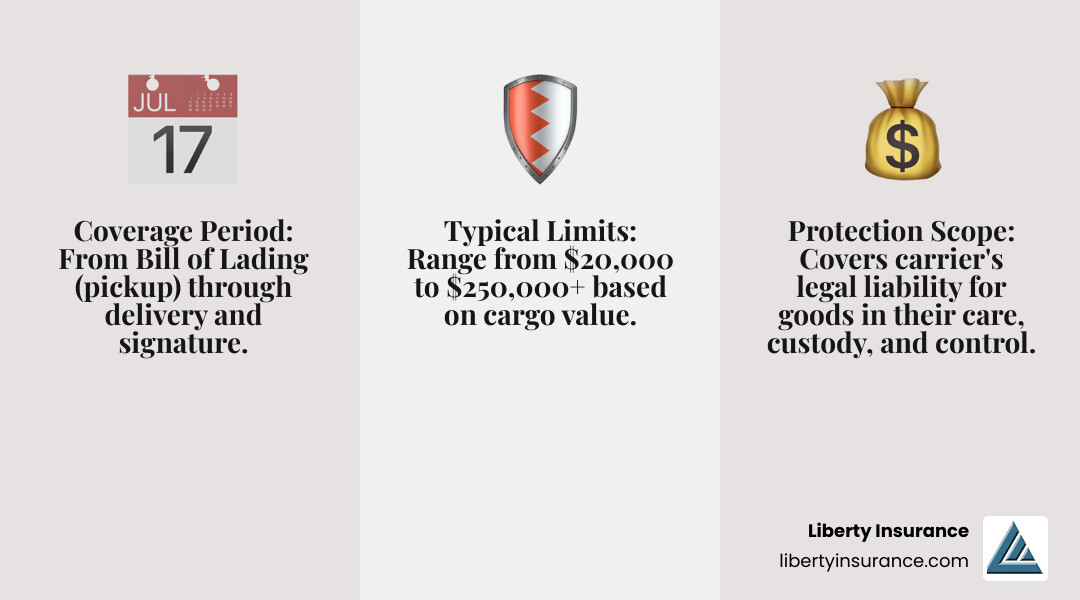
- Coverage Period – From pickup (Bill of Lading) through delivery and signature
- Who Needs It – For-hire carriers, owner-operators, freight forwarders, trucking companies
- Typical Limits – Range from $20,000 to $250,000+ depending on cargo value
- Not Covered – Acts of God (in some policies), improper packing, inherent vice, certain high-value items
Understanding this coverage is essential, as most shippers require it and many jurisdictions mandate it for legal operation. The stakes are high. As one industry source notes, “the cost to replace goods, clean up charges from pollution and debris, and legal expenses can accumulate rapidly for transport businesses.” Without proper coverage, a single incident could cripple your operation financially.
This guide will walk you through everything you need to know, from key definitions and policy exclusions to claims procedures and risk management. I’m Andrew Harris, a Certified Insurance Counselor (CIC) and Accredited Advisor in Insurance (AAI). Through my work with Liberty Insurance and industry organizations like PIA National, I’ve helped countless carriers steer the complexities of cargo protection and regulatory compliance.
What is Motor Truck Cargo Insurance and Why Is It Essential?
When you haul freight, you accept legal responsibility for someone else’s property. Motor truck cargo insurance is a specialized form of inland marine insurance that protects motor carriers from financial ruin when goods are damaged, lost, or stolen while under their care, custody, and control.
From the moment you sign the bill of lading until the cargo is safely delivered, you are legally liable for those goods. Whether you’re hauling electronics through Trenton NJ or produce across state lines, a single incident—a collision, theft, or fire—could lead to devastating claims. These costs, which can include replacing goods, debris removal, and legal fees, “can cripple your business.”
This coverage is essential for business continuity and your professional reputation. Shippers demand it, and having robust cargo coverage shows you’re a reliable partner. To understand how this fits into the broader world of cargo protection, see our guide on Inland Cargo Insurance.
What MTC Insurance Covers
Motor truck cargo insurance protects against physical loss or damage to freight from a wide range of perils. Key coverages include:
- Fire: Protects cargo if your truck is involved in a fire.
- Collision: Covers damage resulting from a vehicular accident.
- Theft & Vandalism: Protects against stolen goods or intentional damage to cargo.
- Striking of Load: Covers damage from cargo shifting inside the trailer.
- Equipment Failure: Can be covered with specific endorsements, especially for refrigerated units.
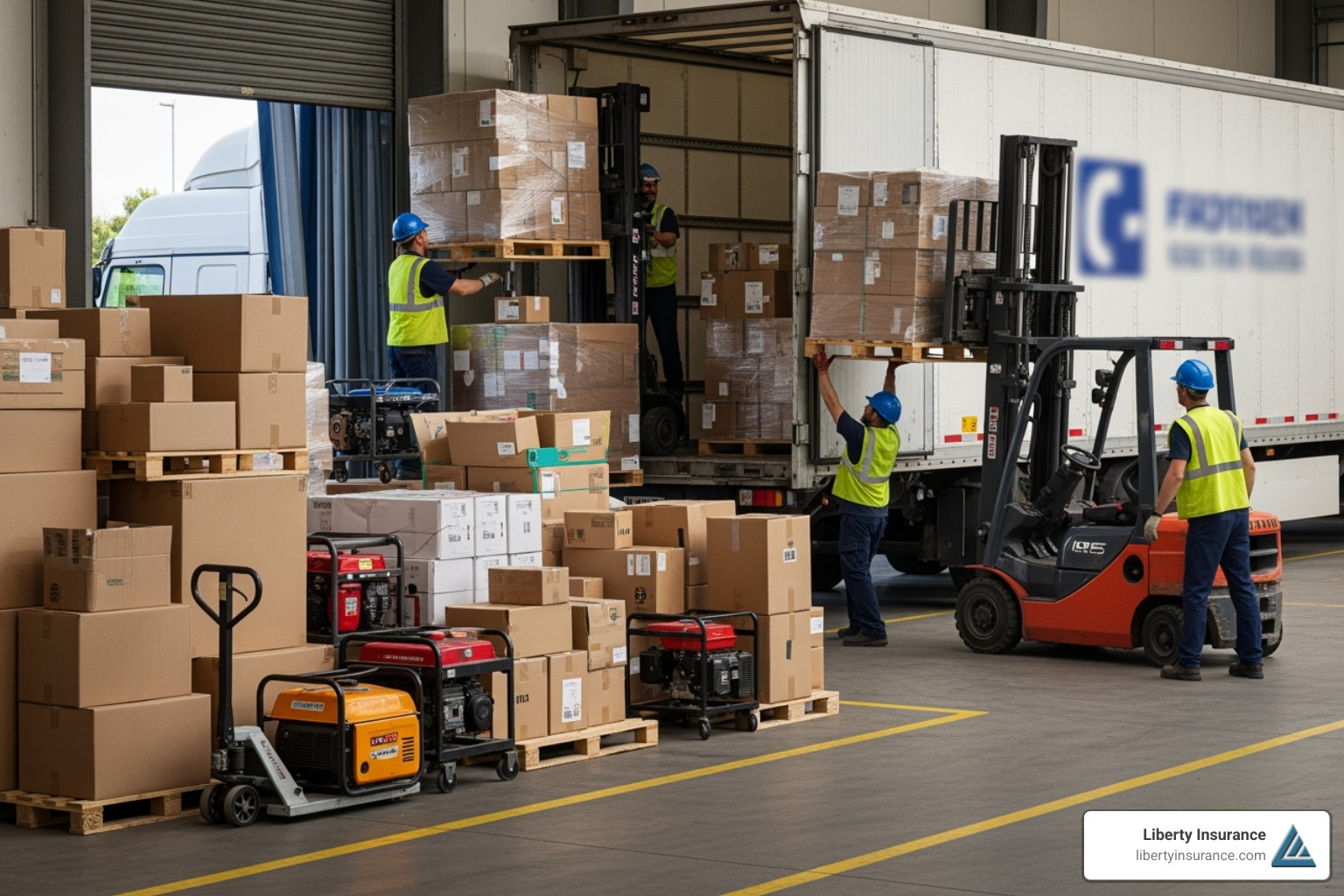
Coverage typically applies during the entire transit, including loading and unloading. Some policies also cover expediting expenses to rush replacement goods and legal expenses if a cargo owner sues you. Policies “are written based on the actual commodities being hauled and are very specific.” For a technical look, see this deeper definition of motor truck cargo.
Who Needs Motor Truck Cargo Insurance?
If you transport goods for others, you need motor truck cargo insurance. This is a fundamental requirement for operating legally and professionally.
- For-hire common and contract carriers are typically required by law to carry it.
- Owner-operators running under their own authority must have their own policy.
- Trucking companies of all sizes and freight forwarders who take legal possession of goods also need this coverage.
Beyond legal mandates, having proper coverage is crucial for your business reputation. Major shippers and logistics companies will not work with carriers who lack it, as it demonstrates professionalism and reliability. Need broader protection? Explore our guide on Insurance for Companies.
MTC Legal Liability vs. Shipper’s Interest Cargo Insurance
It’s crucial to understand the difference between the insurance you buy as a carrier and the insurance a cargo owner buys.
- Motor truck cargo legal liability insurance protects you, the carrier, from your legal responsibility for lost or damaged goods. It pays when you are legally liable.
- Shipper’s Interest Cargo Insurance (or All-Risk) protects the value of the goods themselves, regardless of who is at fault. The shipper buys this to protect their financial investment.
For example, if your truck is in an accident, your MTC policy would likely cover the damaged cargo because you are liable. But if lightning (an “Act of God”) strikes your trailer, your policy might not respond, whereas the shipper’s All-Risk policy likely would. Your policy protects your business; the shipper’s policy protects their goods.
| Feature | Motor Truck Cargo Legal Liability Insurance | Shipper’s Interest (All-Risk) Cargo Insurance |
|---|---|---|
| Basis of Coverage | Carrier’s legal liability for loss/damage (carrier must be at fault or responsible under contract). | Value of goods, regardless of carrier’s fault (covers most perils). |
| Who Buys It | Motor Carrier (trucking company, owner-operator). | Shipper or Owner of the goods. |
| When It Pays | Only when the carrier is proven legally liable for the loss or damage. | When a covered peril occurs, regardless of who is at fault. |
| Typical Gaps Covered | Fills gaps in carrier’s liability as defined by law or contract. | Protects the owner’s financial investment in the goods, often broader. |
Navigating Policies: Key Coverages, Exclusions, and Costs
Your motor truck cargo insurance policy must be custom to your specific operation. Understanding what it covers, what it excludes, and how much it costs is vital for keeping your business protected. Whether you’re hauling electronics through Newark or refrigerated goods across the country, the right coverage prevents a minor mishap from becoming a major disaster.
Because MTC insurance isn’t one-size-fits-all, working with a specialized trucking insurance broker is “imperative.” They can help you craft a policy that reflects the unique risks of your cargo and routes, avoiding dangerous gaps in coverage. For more on protecting your vehicles, check out our More info about Commercial Auto Insurance.
Common Risks and Exclusions
Knowing what your policy doesn’t cover is as important as knowing what it does. A denied claim can be financially devastating, so be aware of these common exclusions:
- Acts of God: Natural disasters like floods, earthquakes, and severe storms are often not covered.
- Inherent Vice: Damage that cargo causes to itself due to its own nature (e.g., fruit spoiling naturally).
- Shipper’s Fault: Damage resulting from improper packing or loading by the shipper.
- Unattended Vehicle Clause: Theft claims may be denied if a loaded truck is left unsecured. This is a critical detail, as cargo thefts from fictitious pickups rose from 1% in 2022 to 17% in 2023.
- War, Government Seizure, and Nuclear Hazards: These are universally excluded.
- Specific Commodities: High-value items like art, jewelry, and money are often excluded or have very low sub-limits. Live animals, pharmaceuticals, tobacco, and alcohol may also require special endorsements. Contraband is never covered.
Claims can also be denied for hauling undisclosed commodities or storing cargo beyond a specified time (often 72 hours). Honesty and clarity with your broker are essential.
Understanding Coverage Limits and Costs
The right amount of coverage depends on the value of your cargo and your contractual requirements. Limits typically range from $20,000 to $100,000 for general freight, but high-value loads like electronics may require $250,000 or more. A household goods mover in California might only need the state-mandated $20,000, while a carrier hauling electronics may need $250,000 to satisfy a shipper.
Several factors influence your premium:
- Type of Cargo: High-value, perishable, or hazardous materials cost more to insure.
- Driving Records & Experience: Clean records and experienced drivers lower premiums.
- Routes: Long-haul routes or travel through high-crime areas increase costs.
- Deductible: A higher deductible (the amount you pay out-of-pocket) lowers your premium. A typical deductible is $1,000, but it can be $2,500 or $5,000 for theft or reefer breakdown.
Be aware of sub-limits. A $100,000 policy might only cover $25,000 for target commodities like electronics. Annual costs can range from $5,000 to $20,000. A money-saving tip: bundling cargo insurance with your commercial auto liability policy can significantly reduce costs.
Special Endorsements and Additional Coverages
Endorsements customize your policy for your specific operational risks. Consider these essential add-ons:
- Reefer Breakdown Coverage: A must-have for temperature-sensitive goods, this covers spoilage from mechanical failure of the refrigeration unit.
- Debris Removal: Covers the high cost of cleanup and disposal after an accident.
- Earned Freight Coverage: Reimburses you for the freight charges you would have earned if a covered loss hadn’t prevented delivery.
- Sue and Labor Clause: Reimburses you for reasonable expenses to prevent further damage after an incident, like hiring security.
- Pollution Cleanup: Covers the cost of cleaning environmental contamination from a damaged load.
- Temporary Storage: Covers cargo stored at your terminal for a short period (e.g., up to 72 hours) as part of the transit process.
These endorsements transform a basic policy into comprehensive protection for your operation, whether you’re delivering across Toms River NJ or New Brunswick NJ.
The Legal Load: Regulations, Liability, and Key Documents
Running a trucking business involves navigating a maze of legal and contractual obligations. Your motor truck cargo insurance is not just a safety net; it’s a legal requirement and the foundation of your business relationships. Understanding the regulatory framework is essential for protecting your business from liability claims.
Whether you operate across state lines or into Canada, this knowledge helps you build a resilient business. For a broader view of protecting your business interests, review our guide on More info about Business Insurance.
Regulatory Requirements in the US and Canada
Cargo liability rules differ by country, and cross-border carriers must understand both frameworks.
United States: The Carmack Amendment governs interstate commerce. It makes the carrier liable for any loss or damage to goods, regardless of negligence, unless a few narrow exceptions apply (e.g., an act of God, shipper’s fault). This means you face full liability for the actual loss unless your contract specifically limits it and the shipper agrees. The FMCSA also mandates minimum cargo liability coverage to maintain operating authority.
Canada: The regulatory landscape involves federal and provincial authorities. A key difference is the standard limitation of liability, often set at just $2 per pound of cargo. For a 10,000-pound shipment worth $100,000, your default liability might only be $20,000 unless the shipper declared a higher value. Provinces like Ontario and Alberta also require high minimums for auto liability (e.g., $1 million), underscoring the financial responsibility placed on carriers.
Your motor truck cargo insurance must align with these regulations to keep you compliant and protected, whether you’re in New Jersey or Ontario.
The Role of the Bill of Lading (BOL)
The Bill of Lading is one of the most important legal documents in freight transport. It serves three critical functions:
- Receipt of Goods: It confirms you received the cargo in good condition.
- Document of Title: In some cases, it signifies ownership of the goods.
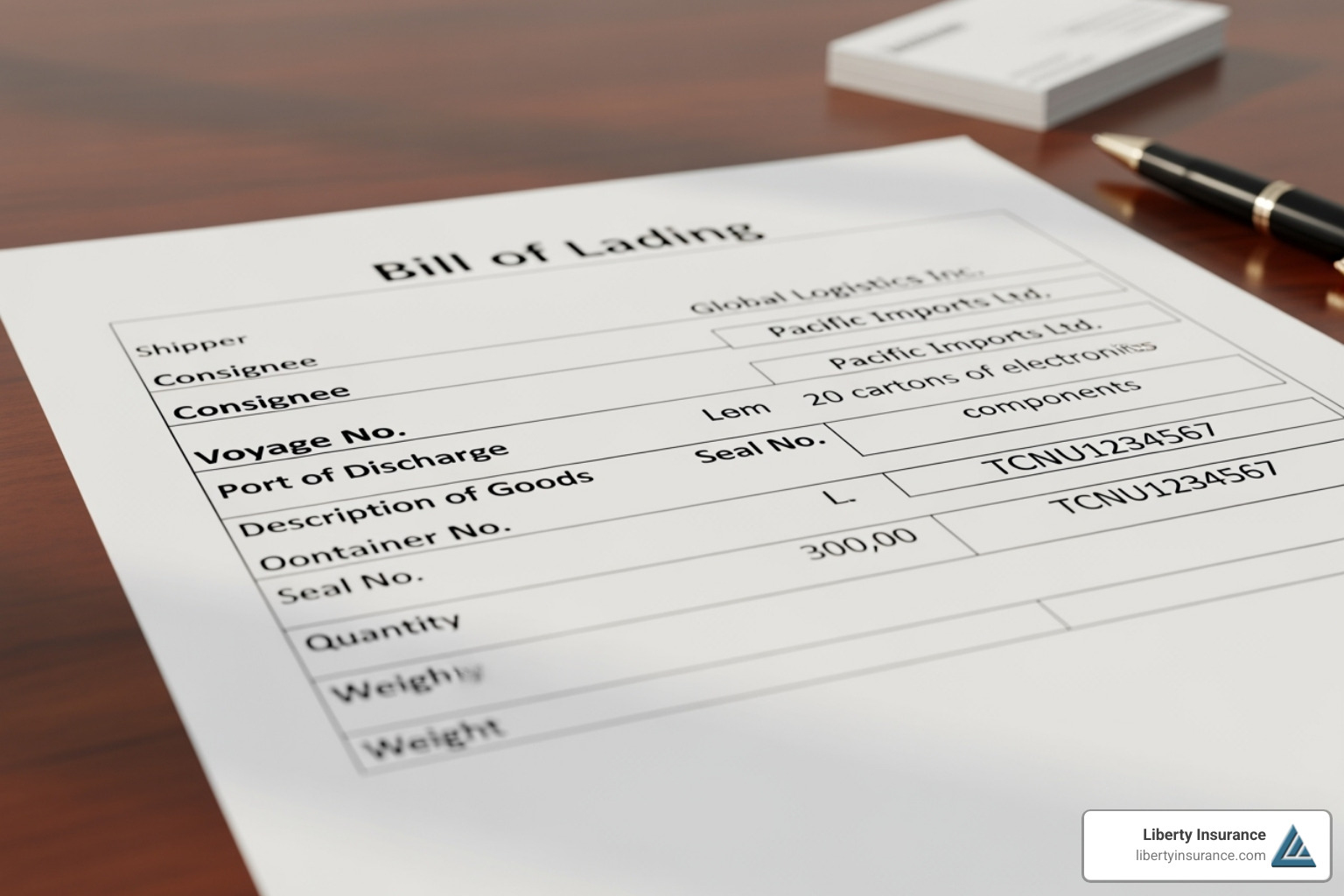
- Contract of Carriage: This is its most crucial role for insurance. The BOL outlines the terms of transport, including liability limits, declared value, and when your responsibility begins and ends.
When you sign the BOL, your insurance coverage kicks in and lasts until delivery. In a claim, this document will be scrutinized to determine liability. The terms on the BOL can either limit your exposure or leave you responsible for the full value of the cargo, making it essential to read and understand before you sign.
How Declared Value and Liability Limits Affect Claims
The relationship between declared value and liability limits determines how much your insurer pays in a claim. Standard liability is often limited, such as the $2 per pound common in Canada. In the US, carriers are liable for the full actual loss unless a lower limit is agreed upon in the BOL.
This is where declared value is critical. A shipper can declare a higher value on the BOL, which overrides standard limitations. This increases your potential liability, and your motor truck cargo insurance premium should be adjusted to reflect that higher risk.
Consider this scenario: you’re hauling servers worth $750,000. The shipment is damaged, resulting in a $525,000 loss. If your liability is limited to $2/lb on a 10,000 lb shipment, the maximum payout would be only $20,000. The shipper would be left with a $505,000 uninsured loss and would likely sue you for the difference.
If the shipper had declared the full value and you accepted that liability (with adequate insurance coverage), your MTC policy would respond closer to the actual loss. Always discuss declared values with shippers before accepting a load to ensure your coverage matches your contractual obligations.
From Incident to Resolution: The MTC Claims Process and Risk Management
Even with the best motor truck cargo insurance, incidents happen. Knowing how to steer the claims process and implementing proactive risk management are what separate successful carriers from those who struggle. This proactive approach protects your cargo, your business, and your reputation.
We empower our clients across New Jersey—from Princeton to New Brunswick and Toms River to Trenton—with the tools to handle the unexpected. For more on protecting your company’s assets, see our guide on More info about Business Asset Protection Insurance.
The Claims Process for Motor Truck Cargo Insurance
When cargo loss occurs, a structured and timely response is crucial. Follow these steps for a smoother claims process:
- Immediate Notification: Notify your insurer in writing as soon as you find loss or damage. Delays can jeopardize your claim.
- Secure the Scene: Take reasonable steps to prevent further damage. This aligns with the “Sue and Labor” clause in many policies, which reimburses you for these protective expenses.
- Document the Loss: Take clear photos or videos of the damage, packaging, and vehicle. Obtain a police report for accidents or thefts. An independent inspector’s report can also strengthen your claim.
- Submit Required Documents: Provide your insurer with the Bill of Lading (BOL), proof of value (invoices), a formal claim form, and other shipping documents.
- Cooperate with the Investigation: An adjuster will review your documentation and investigate the incident. Prompt cooperation speeds up the process.
- Settlement: Once liability and the loss amount are determined, the insurer will issue a settlement. Clear communication is key to a swift resolution.
Effective Risk Management Strategies for Trucking Companies
The best claim is one that never happens. Proactive risk management reduces losses and can lower your motor truck cargo insurance premiums.
- Driver Training: Implement continuous training on safe driving, cargo handling, and emergency response.
- Proper Cargo Securement: Ensure cargo is evenly distributed and properly secured with quality equipment to prevent shifting loads.
- Pre-Trip Inspections: Make it standard procedure to check cargo, vehicle mechanics, and safety equipment before every trip.
- Emergency Response Plans: Establish clear protocols so drivers know what to do in an accident, breakdown, or security incident.
- Regular Vehicle Maintenance: Well-maintained trucks and trailers, especially refrigerated units, are less prone to breakdowns that can compromise cargo.
These practices demonstrate your commitment to safety, building trust with insurers, shippers, and customers.
How Technology is Influencing Risk Assessment
Technology is revolutionizing how risk is assessed for motor truck cargo insurance, shifting from historical data to real-time analytics.
- Telematics and GPS: Systems like Geotab, Samsara, and Motive provide real-time data on location, speed, and driver behavior. Some insurers offer discounts (e.g., up to 10% off quotes) for fleets that share this data.
- Internet of Things (IoT) Sensors: For sensitive cargo, IoT devices monitor temperature, humidity, and shock in real time, allowing for immediate intervention if conditions change.
- Automated Alerts: Fleet managers receive instant notifications for route deviations, speeding, or sudden stops, enabling a rapid response.
- Data Analytics: Aggregating trip data helps insurers and carriers identify risk patterns, predict exposures, and price policies more accurately.
Technology is also a powerful tool against theft. With fictitious pickups on the rise (from 1% of thefts in 2022 to 17% in 2023), real-time tracking and verification systems are essential security measures. This integration helps prevent losses and allows insurers to offer more competitive rates to safer fleets. For more on protecting physical assets, explore our More info about Commercial Property Insurance.
Frequently Asked Questions about Motor Truck Cargo Insurance
It’s normal to have questions about motor truck cargo insurance. We’ve gathered some of the most common ones to provide clear, straightforward answers.
Does MTC insurance cover the truck or trailer itself?
No. Motor truck cargo insurance is designed specifically to protect the goods you are hauling. Your truck and trailer require separate Physical Damage coverage, which is a key component of a Commercial Auto Insurance policy. Having both ensures your rig and your freight are protected.
What happens if my refrigeration unit (reefer) breaks down?
Standard motor truck cargo insurance policies typically do not cover spoilage from a simple mechanical breakdown of your reefer unit. Coverage usually only applies if the failure was caused by a covered peril, like a collision. To protect against spoilage from equipment failure, you need a specific “Reefer Breakdown” endorsement on your policy. It’s a crucial add-on for any reefer operator.
Is theft covered if I leave my truck unattended?
This can be tricky. Many motor truck cargo insurance policies have an “unattended vehicle exclusion.” This means if your loaded truck is stolen after being left in a non-secure location, your claim could be denied. With cargo theft on the rise, it is critical to read your policy’s fine print to understand what constitutes an “unattended vehicle” and avoid a costly gap in your coverage.
Conclusion
The open road offers promise, but also risk. Every load you haul represents both revenue and liability, which is why motor truck cargo insurance is a critical safeguard for your trucking operation. It can be the difference between a manageable incident and a business-ending disaster.
This guide has covered the essentials: what MTC insurance is, what it covers (and excludes), the legal requirements you face, and how to manage claims and risks. As the trucking industry evolves with more sophisticated threats and higher-value cargo, the need for comprehensive protection has never been greater.
At Liberty Insurance, we understand the pressures motor carriers face. Whether you’re an owner-operator or a large fleet manager, we know your cargo represents your clients’ trust. You need an insurance partner you can trust to be there when the unexpected happens.
From our offices serving businesses across New Jersey—including Toms River, Princeton, and New Brunswick—we provide motor truck cargo insurance solutions custom to your specific hauling operations. We take the time to understand what you transport and where you travel to build protection that fits your reality.
Don’t let gaps in coverage put your hard-earned business at risk. To build a truly robust shield for your operations, explore our Commercial Insurance Ultimate Guide for comprehensive insights. When you’re ready for custom protection for the goods you haul, investigate our specialized Inland Cargo Insurance solutions today.
Your livelihood depends on safe deliveries. Let us help you protect every single one.