
The Garden State Goes Green: Why Your Solar Business Needs Solid Protection
Solar contractor insurance new jersey is essential protection for any business in the state’s booming renewable energy sector. With installations projected to quadruple, the opportunities are immense, but so are the risks. Minor mishaps can lead to severe financial consequences for uninsured businesses.
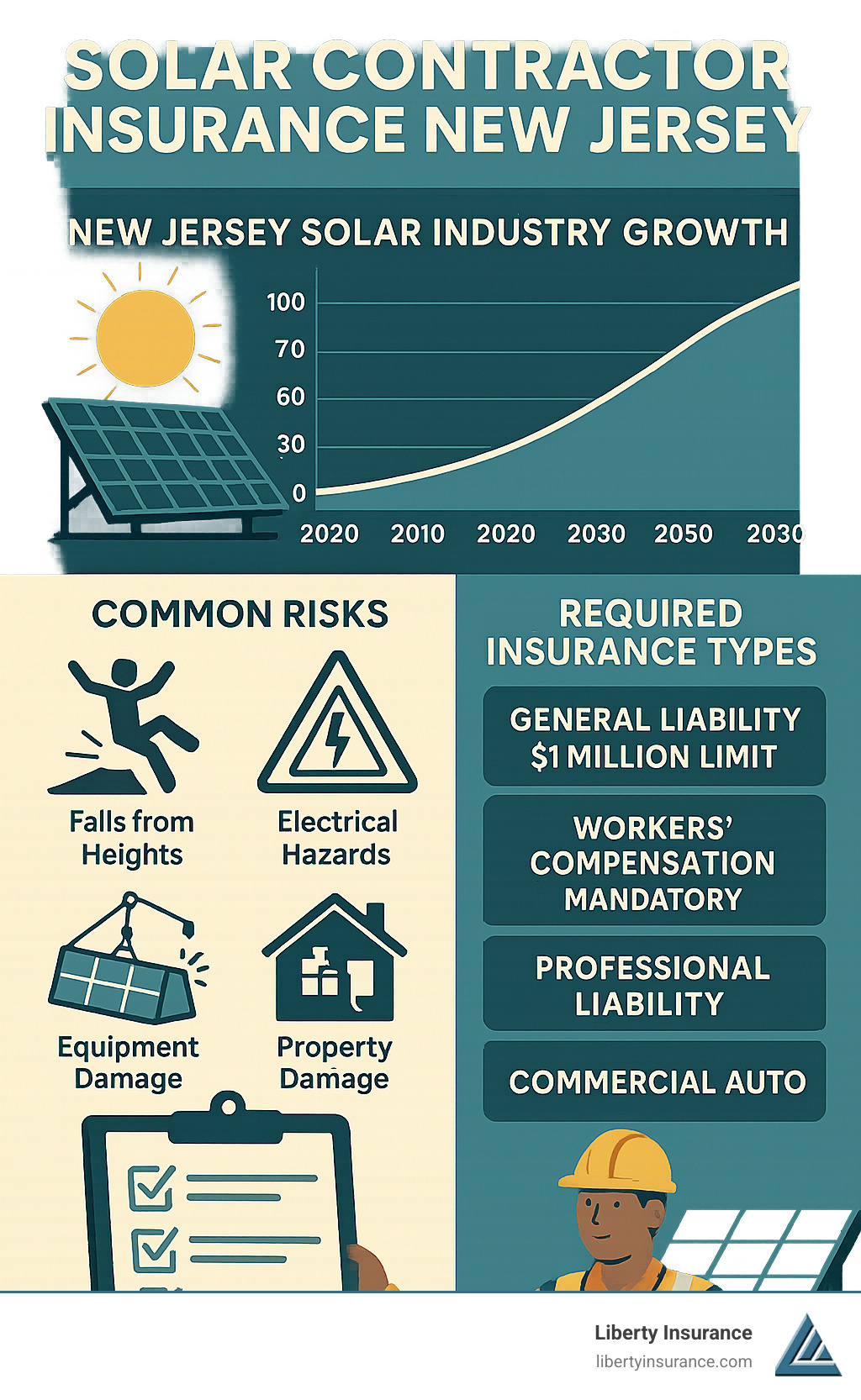
Solar work combines electrical systems, rooftop installations, and expensive equipment, creating unique risks that standard policies often miss. Your business needs specialized protection that addresses these challenges. Here’s a quick overview of what you need:
Essential Coverage Types:
- General Liability Insurance: $1 million minimum required by most clients.
- Workers’ Compensation: Mandatory for NJ employers.
- Professional Liability (E&O): Covers design flaws and system performance issues.
- Commercial Auto Insurance: Required for business vehicles.
- Inland Marine Insurance: Protects tools, equipment, and solar panels.
Key Requirements:
- Registration with the NJ Division of Consumer Affairs.
- Proof of insurance for licensing.
- Bonding for many projects.
I’m Andrew Harris, a Certified Insurance Counselor (CIC) specializing in solar contractor insurance new jersey solutions. With deep expertise in contractor insurance, I can guide you through building the comprehensive protection your solar business needs to thrive in New Jersey’s competitive market.
Solar contractor insurance new jersey terms you need:
Understanding the High-Stakes Risks for NJ Solar Contractors
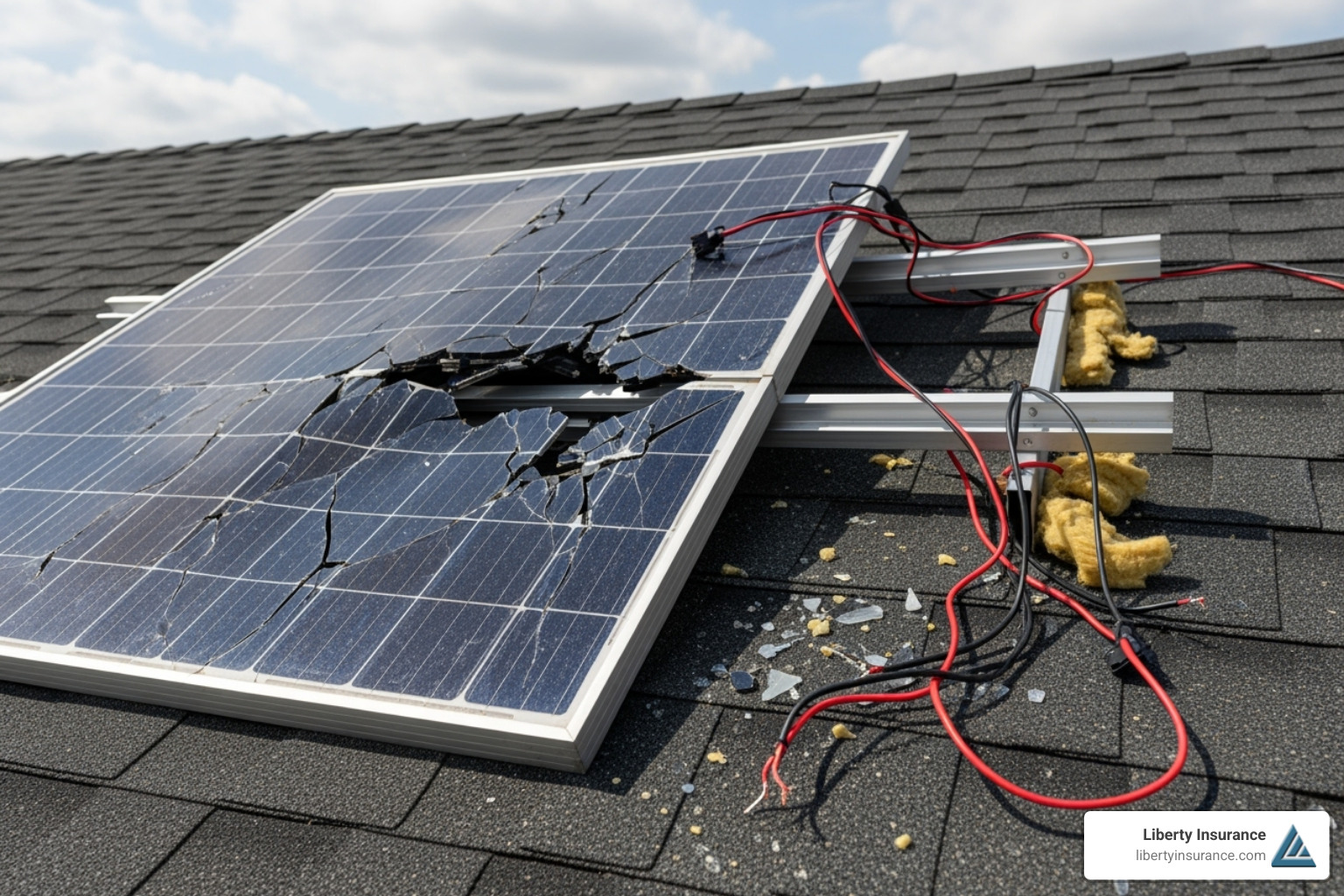
Working as a solar contractor in New Jersey means facing significant daily risks. From residential rooftops in Princeton to large solar farms in Somerset County, every project carries the potential for accidents that could cripple your business financially. Solar installation combines some of the most dangerous elements of construction: working at heights, handling electrical systems, and managing expensive equipment.
Without proper solar contractor insurance new jersey protection, these risks can lead to disaster. Let’s break down the specific dangers you face.
Physical and Property Damage Dangers
Your crew faces serious physical hazards on every job site.
- Falls from heights: Working on steep or slippery roofs is a primary cause of serious injury in the construction industry. A single misstep can result in massive medical bills and liability claims.
- Electrical hazards: Your teams constantly work with live wires and connect to existing electrical systems. A mistake can lead to severe electrical shocks, burns, or even fires.
- Dropped tools and panels: A heavy solar panel falling from a roof can cause significant property damage or injure someone below, leading to expensive repairs and lawsuits.
- Property damage: Even careful crews can accidentally damage a client’s roof, siding, or landscaping during installation. These repair costs can quickly add up.
- Water damage: Improperly sealed roof penetrations can lead to slow leaks that cause extensive water damage over time, resulting in costly and complex claims.
- Fire risk: Faulty wiring or improper connections can create fire hazards long after a project is complete. If a fire is traced back to your work, the liability can be catastrophic.
Financial and Legal Liabilities
The financial fallout from an accident can be just as damaging as the physical event itself.
- Legal defense costs: Defending against a lawsuit is expensive, even if the claim is frivolous. Legal bills can easily reach tens or hundreds of thousands of dollars.
- Client lawsuits: Customers may sue for various reasons, including system underperformance, property damage, or aesthetic dissatisfaction. Each lawsuit is a threat to your business’s survival.
- Regulatory fines: New Jersey and OSHA impose hefty fines for safety violations, especially those resulting in worker injuries.
- Project delays: Accidents or equipment failures can cause delays, triggering contractual penalties and damaging your professional reputation.
- Equipment theft and damage: Your tools, equipment, and materials are valuable assets. A single theft from a truck or job site can cost you tens of thousands of dollars to replace.
The construction industry is inherently dangerous. Comprehensive solar contractor insurance new jersey protection isn’t just a good idea—it’s essential for survival. Understanding these risks is the first step to building the right insurance package to shield your company. For a deeper dive, see our more info about contractor’s insurance options.
Core Insurance Policies Every Solar Contractor in New Jersey Must Have
Building a successful solar business in New Jersey requires a fortress of protection built with the right insurance policies. State law and client contracts mandate certain coverages. A comprehensive commercial insurance package protects you from financial risks at every stage of your operations.
Here are the essential policies that form the backbone of solid solar contractor insurance new jersey protection.

General Liability Insurance: Your First Line of Defense
General Liability insurance is your primary defense against claims of bodily injury or property damage to third parties caused by your work. For example, it covers medical bills if a client trips over your equipment or repair costs if you damage their property.
- Completed operations protection is a vital component, covering you for issues that arise after a project is finished, like a fire caused by faulty wiring installed months earlier.
- Most clients and general contractors in New Jersey require at least $1 million in general liability insurance to bid on a project.
- The policy also includes personal and advertising injury coverage for risks like libel or copyright infringement.
For more details, read about General Liability Insurance NJ.
Workers’ Compensation: Protecting Your Most Valuable Asset
If you have employees in New Jersey, Workers’ Compensation is required by law. It protects both your workers and your business when on-the-job injuries occur.
- Key Benefits: The policy covers medical treatment, rehabilitation costs, and a portion of lost wages for injured employees. In the event of a fatal accident, it provides death benefits to the employee’s family.
- Employer Protection: Workers’ Comp is an “exclusive remedy,” meaning it generally protects you from being sued directly by employees for workplace injuries.
- Compliance is Mandatory: New Jersey enforces strict penalties for non-compliance, including fines and business shutdowns. The definition of “employee” can be broad, so it’s crucial to understand your obligations.
For official compliance information, employers must comply with NJ workers’ compensation laws. To understand your responsibilities for non-employees, learn about Workers’ Compensation for Independent Contractors.
Professional Liability (Errors & Omissions): Covering Your Expertise
While General Liability covers physical damages, Professional Liability (E&O) insurance protects against claims related to your professional services and expertise. This is essential in an industry where performance is key.
E&O covers financial losses resulting from:
- Design flaws: Miscalculations in a system’s energy output or structural load.
- Faulty advice: Incorrect recommendations that lead to a client’s financial loss.
- System underperformance: When a system fails to generate the promised energy due to a professional error, not an equipment defect.
Essential Additional Coverages to Consider
- Commercial Auto Insurance: Your personal auto policy won’t cover accidents involving business vehicles. This is essential for any vehicle used for work. Learn more about Commercial Auto Insurance.
- Inland Marine Insurance: This policy protects your valuable tools, equipment, and materials (like solar panels) from theft or damage, whether they are in transit, on a job site, or in storage.
- Builder’s Risk Insurance: For larger projects, this covers the structure and materials on-site from fire, theft, and weather damage during construction. See more at NJ Builders Risk Insurance.
- Commercial Umbrella Insurance: This provides an extra layer of liability protection above your other policies, kicking in when a catastrophic claim exceeds your primary limits.
Your Guide to Solar Contractor Insurance New Jersey Requirements and Costs
Navigating solar contractor insurance new jersey requirements and costs is a critical step in building a stable business. You need to understand what’s required by law, what clients demand, and how to get the best value for your investment.

New Jersey State Mandates for Solar Contractors
New Jersey has several regulations in place to protect consumers and ensure quality work. Compliance is not optional.
- Contractor Registration: You must register with the NJ Division of Consumer Affairs to operate legally.
- Bonding Requirements: Many projects require you to be bonded. A surety bond guarantees your clients that you will complete the work as agreed. Learn more about New Jersey Contractor Bonds.
- Proof of Insurance: You must provide proof of insurance, particularly general liability, to obtain and maintain your contractor license.
- Workers’ Compensation: If you have employees, you must carry workers’ comp insurance. Penalties for non-compliance are severe, as employers must comply with NJ workers’ compensation laws.
What is the typical cost for solar contractor insurance new jersey?
The cost of solar contractor insurance new jersey varies based on your specific business operations. For general liability insurance, most solar contractors can expect to pay around $70-$90 per month for a standard $1 million per occurrence / $2 million aggregate policy.
Several factors influence your final premium:
- Business Size and Payroll: Larger operations with more employees and higher payrolls will pay more.
- Types of Projects: Riskier work, like on large commercial buildings, costs more to insure than standard residential installations.
- Claims History: A clean record leads to lower premiums.
- Coverage Limits and Deductibles: Higher limits increase premiums, while higher deductibles can lower them.
How to Get a Quote for Your Solar Contractor Insurance New Jersey Business
Getting an accurate quote is a straightforward process. A specialist agent who understands the unique risks of the solar industry can ensure you get the right coverage without overpaying.
Be prepared to provide the following information:
- Business Details: Legal name, address, years in business.
- Operations Description: Types of solar work you perform (residential, commercial, etc.).
- Employee Count and Payroll: For workers’ compensation pricing.
- Annual Revenue: To determine appropriate coverage limits.
- Vehicle List: For commercial auto insurance.
- Claims History: Any past insurance claims.
Ready to get started? We can often provide quotes the same day. Get an Insurance Quote and let’s protect your business.
Frequently Asked Questions about NJ Solar Contractor Insurance
Here are answers to some of the most common questions we receive from solar contractors in New Jersey.
How much general liability coverage do I need to start a project?
Most building owners and general contractors require a minimum of $1 million per occurrence and $2 million aggregate. This is a standard contractual requirement. However, larger commercial or government projects may demand higher limits, sometimes $2 million per occurrence or more. Always review your contracts carefully to ensure you meet the specified insurance requirements before starting a job.
Are my tools and solar panels covered while in transit or at a job site?
No, your General Liability policy does not cover your own property, including tools, equipment, or materials. General Liability is for third-party damage. To protect your business assets, you need Inland Marine insurance. This policy is designed to cover your tools, equipment, and materials (like solar panels) from theft, damage, or loss whether they are at a job site, in storage, or being transported.
What is the difference between being bonded and being insured?
Though often confused, bonding and insurance serve different purposes. Both are frequently required for solar projects.
- Insurance is a two-party contract between you and an insurance company. It protects your business from financial loss due to covered claims, such as property damage or bodily injury lawsuits.
- A surety bond is a three-party agreement between you, your client, and a surety company. It protects your client, not you. It guarantees that you will fulfill your contractual obligations (e.g., finish the job, pay suppliers). If you fail to do so, the surety company compensates the client and then seeks reimbursement from you.
You need insurance to protect your assets and a bond to guarantee your performance.
Secure Your Future in the Solar Industry
The solar industry in New Jersey is full of opportunity, but it also comes with significant risks. From physical dangers on the job site to major financial liabilities, your business is exposed every day. Without proper protection, a single incident could jeopardize everything you’ve built.
A comprehensive solar contractor insurance new jersey package is the solution. It provides the peace of mind to operate confidently, knowing you are prepared for the unexpected. Key policies like General Liability, Workers’ Compensation, Professional Liability, and Inland Marine form a protective shield around your business.
Proactive risk management combined with the right insurance is what separates thriving solar contractors from cautionary tales. It allows you to focus on what you do best: helping New Jersey harness the power of the sun.
At Liberty Insurance, we understand the unique needs of solar contractors. We specialize in creating customized insurance packages that fit your specific operations and budget. Don’t let an unforeseen event eclipse your business’s bright future. The smartest investment you can make is in comprehensive protection that keeps your business shining.
Ready to secure your future? Let’s build a protection plan that’s as solid as your reputation. Protect your business with specialized contractor insurance and keep your solar business powered for success.

