
Understanding the Critical Protections of Liquor Liability Coverage
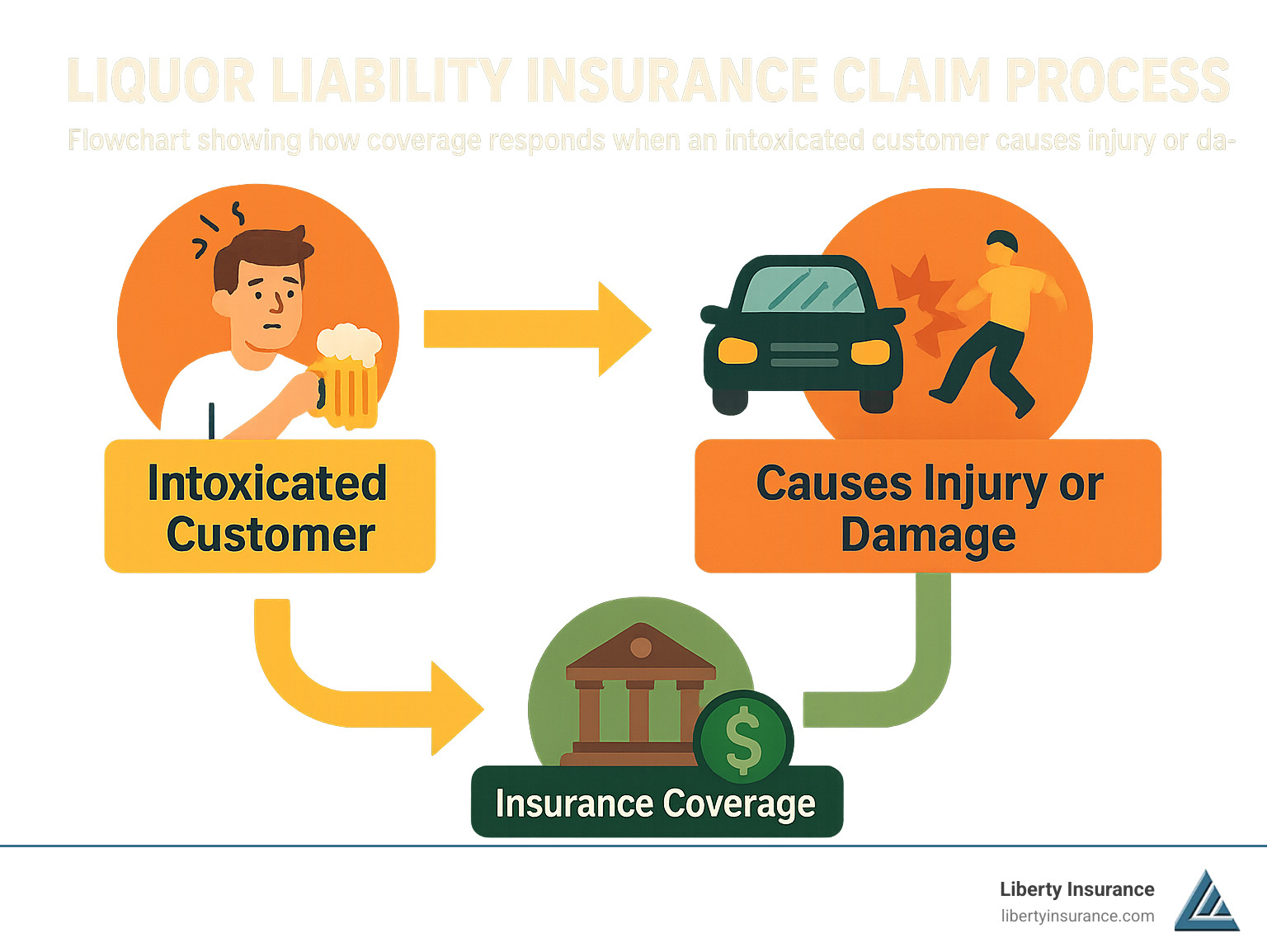
What does liquor liability insurance cover? It covers legal fees, settlements, medical costs, and property damage repairs resulting from incidents where an intoxicated person you served alcohol to causes harm to others or property. This specialized coverage protects businesses from financial devastation that could result from alcohol-related claims.
| What Liquor Liability Insurance Covers | What It Doesn’t Cover |
|---|---|
| ✅ Legal defense costs | ❌ Underage drinking incidents |
| ✅ Third-party bodily injuries | ❌ Damage to your own property |
| ✅ Third-party property damage | ❌ Libel and slander claims |
| ✅ Settlements and judgments | ❌ Incidents without valid liquor license |
| ✅ Medical expenses | ❌ Employee injuries (workers’ comp covers these) |
| ✅ Assault and battery (optional) | ❌ Intentional acts of the insured |
If you serve, sell, or distribute alcohol, you face unique risks that standard business insurance doesn’t address. Most general liability policies specifically exclude alcohol-related incidents, creating a dangerous coverage gap for:
- Bars and restaurants
- Caterers and food trucks
- Liquor stores and retailers
- Breweries and wineries
- Event venues and hosts
- Convenience stores selling alcohol
In 43 states, “dram shop laws” make businesses legally responsible when they overserve customers who then cause harm. These laws create significant liability exposure that can threaten your business’s survival without proper insurance protection.
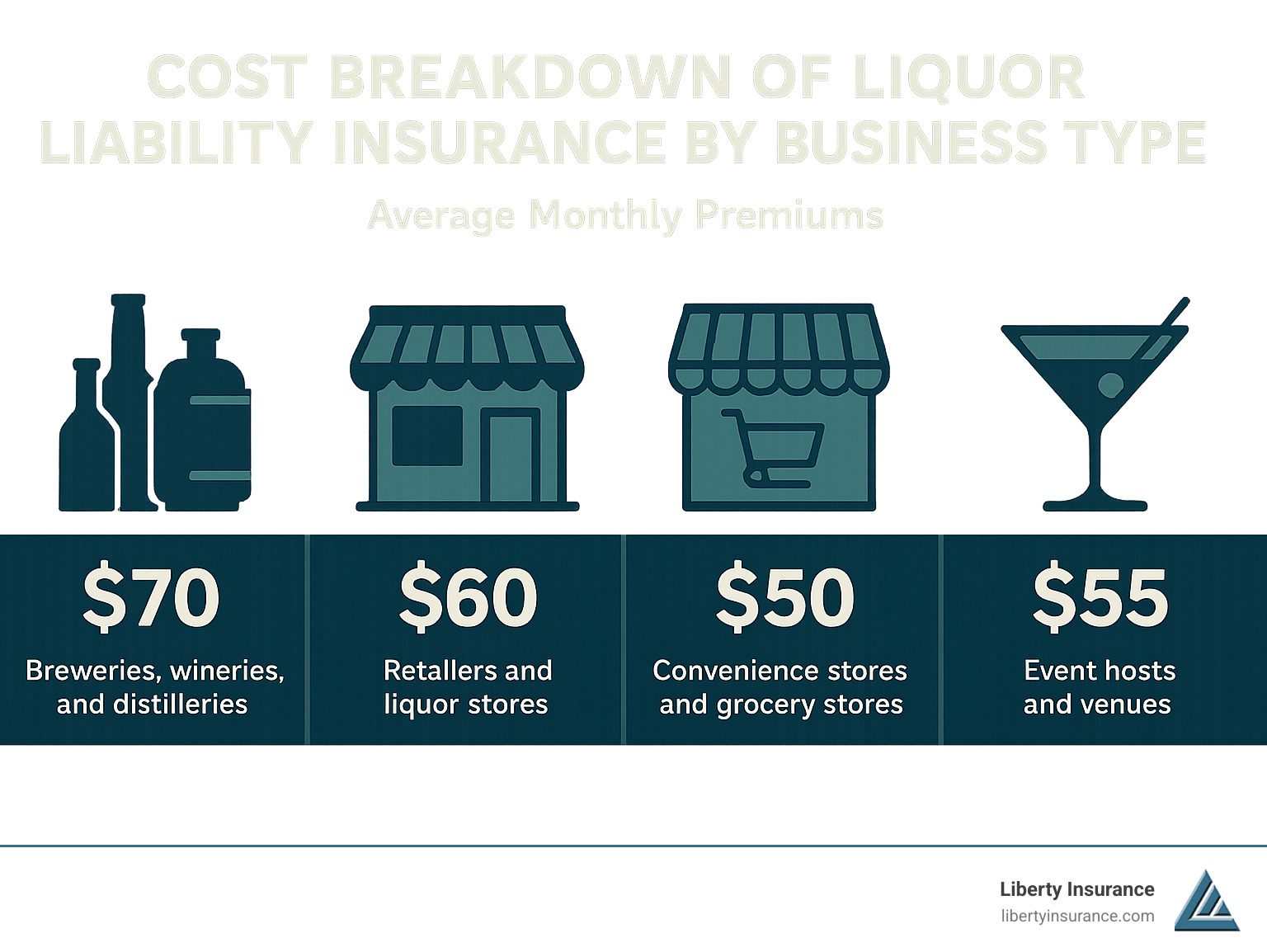
The average cost of liquor liability insurance is about $55 per month, though prices vary based on:
- Your industry and risk level
- Your location and state laws
- Percentage of revenue from alcohol sales
- Claims history
- Policy limits and deductibles
I’m Andrew Harris, a Certified Insurance Counselor with extensive experience helping businesses understand what does liquor liability insurance cover and secure appropriate protection against alcohol-related liability risks. As Liberty Insurance’s commercial lines specialist, I’ve guided hundreds of alcohol-serving establishments through the complex landscape of dram shop liability.
Simple what does liquor liability insurance cover glossary:
– bartender liability insurance
– host liquor liability insurance policy
– general and liquor liability insurance
What Does Liquor Liability Insurance Cover?
When you serve that perfectly mixed cocktail or pour a cold draft beer, you’re creating a great experience for your customers. But you’re also taking on risk. That’s where liquor liability insurance steps in to protect your business.
What does liquor liability insurance cover? It’s designed specifically for businesses that serve alcohol, offering protection that standard business insurance policies simply don’t include. Let’s break down what this crucial coverage actually does for you:
Core answer to what does liquor liability insurance cover
At its heart, liquor liability insurance protects your business when alcohol-related incidents occur. Think of it as your financial safety net for those unfortunate situations that can happen when customers drink too much.
Your policy typically covers medical bills when someone gets hurt in an alcohol-related incident at your establishment. Imagine a patron who’s had a few too many trips and falls, injuring another customer. Your coverage would help with the injured person’s hospital expenses.
It also handles repair costs when intoxicated customers damage other people’s property. Picture a customer who leaves your restaurant after several drinks and backs into another car in your parking lot. Your liquor liability insurance would cover those damages.
Slip-and-fall incidents involving alcohol are surprisingly common. A spilled drink that causes someone to slip and break their wrist? Your policy has you covered.
When fight injuries occur because someone’s judgment is impaired by alcohol, your insurance steps in to handle medical costs and potential lawsuits.
“I’ve seen small neighborhood bars face six-figure lawsuits after alcohol-related incidents,” explains Jason Levine, an insurance specialist. “Without proper coverage, these businesses might have closed their doors forever.”
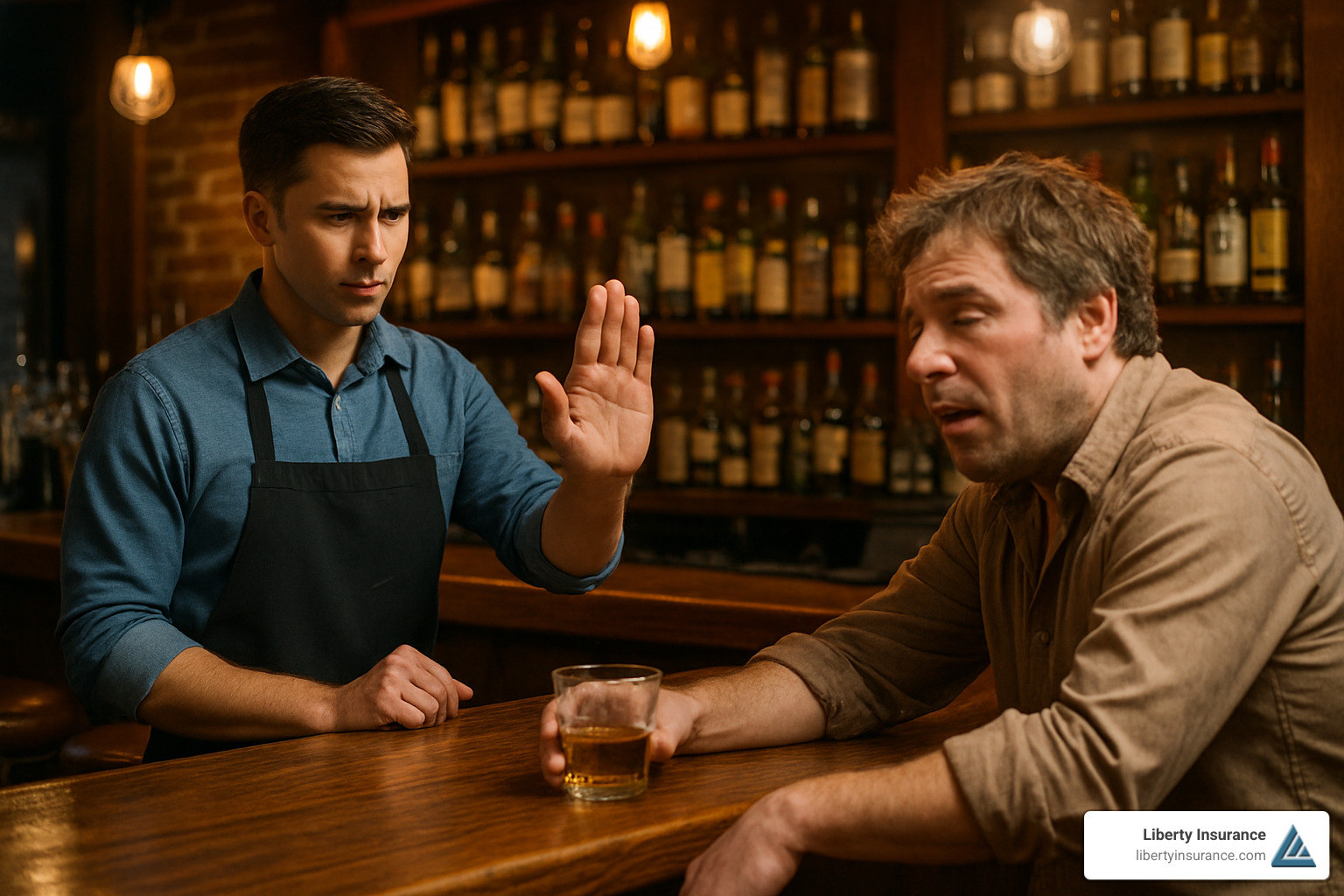
Perhaps most valuable is the legal defense your policy provides. If you’re sued because of an alcohol-related incident, your insurance covers attorney fees, court costs, and other legal expenses—whether you’re found liable or not. These legal costs alone can reach tens of thousands of dollars, even in cases where your business ultimately isn’t found at fault.
When settlements and judgments are ordered, your policy pays up to your coverage limits. In a real case we handled at Liberty Insurance, a tavern customer who’d been overserved stumbled into another patron, causing them to fall and break their arm. The liquor liability policy covered the nearly $41,000 settlement plus $15,000 in legal defense costs—a financial hit that would have devastated many small businesses.
Optional add-ons many businesses overlook
Standard coverage is great, but smart business owners consider these valuable additions:
Assault & battery coverage is surprisingly not standard in many policies, yet many alcohol-related claims involve physical altercations. This is especially important if you operate a bar, nightclub, or venue with late hours. Without this endorsement, you could find yourself unprotected if an intoxicated patron becomes violent.
Mental anguish coverage extends protection to claims of emotional distress resulting from alcohol-related incidents, even when there’s no physical injury involved.
As online alcohol sales grow, cyber liquor exposure protection becomes increasingly important, covering digital risks related to age verification failures and other online sale liabilities.
If you employ security personnel, a hired security endorsement provides protection for their actions when dealing with intoxicated patrons—a common coverage gap that many business owners don’t find until it’s too late.
At Liberty Insurance, we’ve unfortunately seen claims denied because business owners didn’t realize these coverages weren’t automatically included in their base policies. That’s why we recommend having a thorough conversation about these options with your agent.
Want to learn more about how general liability and liquor liability work together? Check out our More info about General and Liquor Liability Insurance resource.
The right liquor liability coverage gives you peace of mind to focus on what you do best—creating great experiences for your customers—without constantly worrying about what might go wrong when alcohol is involved.
Dram Shop Laws, Claim Examples & Exclusions
Ever wonder why bartenders might cut you off after a few too many? It’s not just because they’re looking out for you (though they are)—it’s also because they’re protecting their business from something called “dram shop liability.”
What are dram shop laws?
The term “dram shop” takes us back to 18th-century England, where taverns sold gin by the spoonful (or “dram”). Today, these laws exist in 43 states plus DC, creating a framework that can hold your local bar or restaurant legally responsible when someone has one too many and causes harm afterward.
What makes these laws tricky is that most states use an “obvious intoxication test”—basically, servers should know when someone’s had enough. This isn’t about blood alcohol content; it’s about whether a reasonable person would notice the customer is impaired. That’s why proper training for servers isn’t just good business—it’s essential protection.
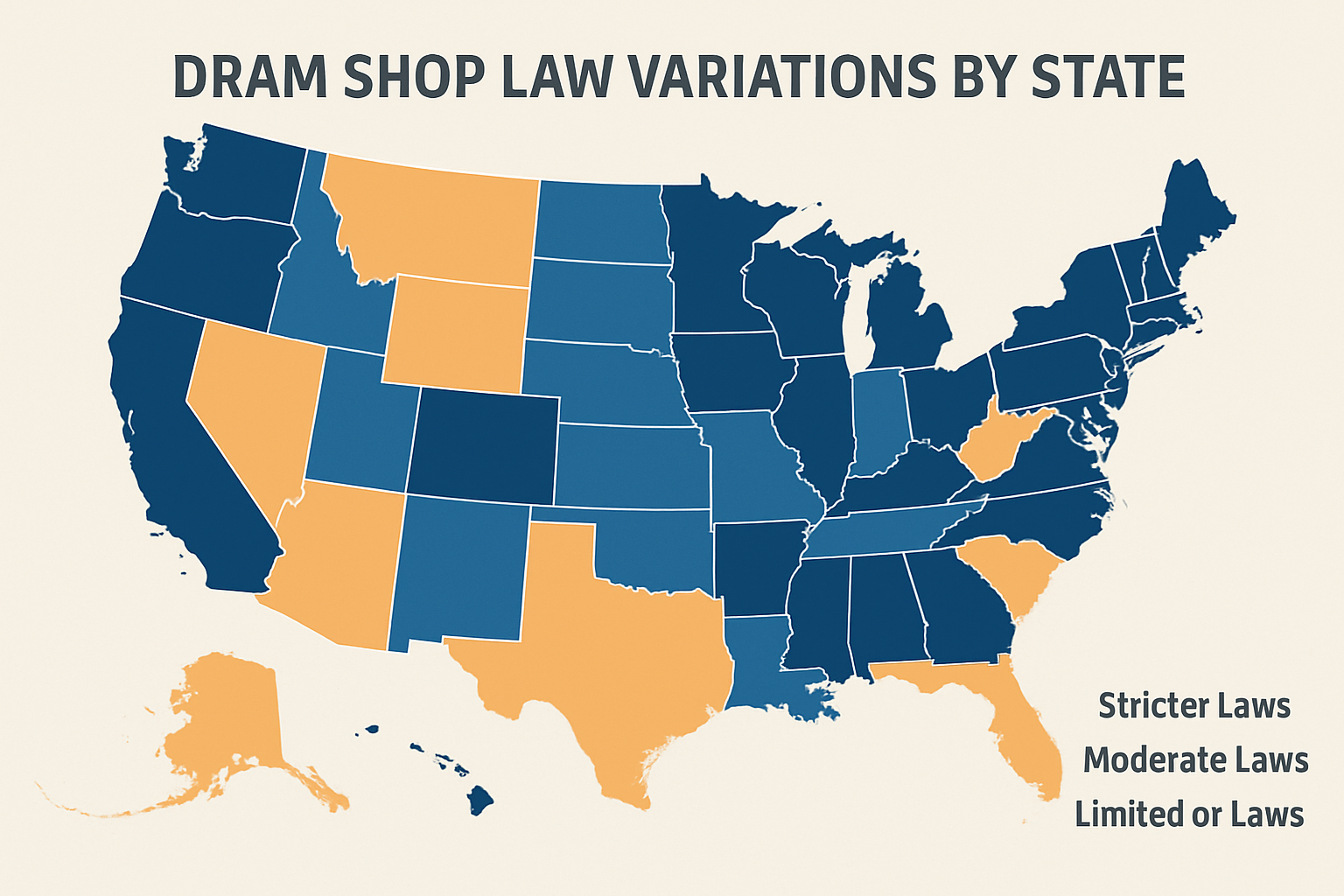
If your business operates in New Jersey (where we have offices in Millstone Township, Trenton, Toms River, New Brunswick, and Princeton), Pennsylvania, New York, Illinois, or Texas, you’re in particularly strict dram shop territory. Even in the eight states without specific dram shop statutes—Nevada, South Dakota, Nebraska, Kansas, Delaware, Maryland, Virginia, and Louisiana—you’re not entirely off the hook. Common law liability claims can still come your way, and your landlord or lender might require liquor liability coverage anyway.
Famous claim story: bar overserves, patron crashes
Let me share a real case from our files that shows exactly why what does liquor liability insurance cover matters so much in practice:
A neighborhood bar in Toms River served a regular customer six drinks over three hours. Despite the customer showing classic signs of intoxication—slurred speech and unsteady walking—the bartender kept the drinks coming. After leaving, the customer drove home, crossed into oncoming traffic, and collided with another vehicle, seriously injuring a family of four.
The aftermath? The injured family sued both the driver and the bar under New Jersey’s dram shop law. During the investigation, it came out that the bar had no formal policy for monitoring alcohol consumption and hadn’t trained their staff properly.
The final tally was sobering: $750,000 in settlement costs, another $95,000 in legal defense fees, higher insurance premiums moving forward, and a temporary suspension of the bar’s liquor license.
Thankfully, the bar had a $1 million liquor liability policy. Without it, they would have closed their doors permanently after this single incident.
As one industry expert puts it: “A lot of these cases are very tragic. If you were the last bar to serve that customer a drink, then it’s a difficult case to win.”
The connection between alcohol service and harm isn’t just anecdotal. Scientific research published in the National Library of Medicine found that alcohol plays a role in approximately 40% of violent crimes and is a major contributor to fatal accidents. This is why what does liquor liability insurance cover is such an important question for any business serving alcohol.
What liquor liability insurance will NOT cover
While liquor liability provides crucial protection, knowing where the coverage ends is just as important:
Underage service isn’t covered. If your staff fails to check IDs or knowingly serves minors, you’re personally on the hook for any resulting damages. This exclusion is why rigorous ID-checking procedures are non-negotiable.
Expired license situations typically void your coverage. Always keep your liquor license valid and displayed where required by law.
Intentional acts won’t be covered either. If you or your employees deliberately overserve someone or encourage excessive drinking, your claim will likely be denied.
Damage to your own property falls outside liquor liability coverage—that’s what commercial property insurance is for. Liquor liability only covers third-party damages.
Libel and slander claims typically aren’t included. For those, you’d need general liability coverage.
Employee injuries in alcohol-related incidents are handled through workers’ compensation, not liquor liability insurance.
Criminal acts and their resulting fines, penalties, or damages are excluded from coverage.
“Even the best hospitality operators face alcohol-related incidents,” notes one insurance specialist I work with. “It’s just a sad fact of the business. But understanding your coverage limitations is essential to protecting your establishment.”
The science is clear on alcohol’s role in harmful incidents. Protecting your business means both serving responsibly and having proper insurance coverage for when things go wrong despite your best efforts.
Scientific research on alcohol-linked violence
Latest map of state dram shop laws
Who Needs Coverage & How to Lower Costs
If you’re in the business of serving spirits, pouring pints, or selling six-packs, you need to understand your liquor liability risks. Let’s explore who needs this protection and how to keep your costs manageable while staying properly protected.
Businesses that need liquor liability insurance
The truth is, if alcohol touches your business in any way, you likely need dedicated liquor liability coverage.
That friendly neighborhood restaurant serving wine with dinner? They need it. The high-energy nightclub downtown? Definitely needs it. Even that cute little food truck that sells craft beer alongside their tacos? Yep, they need it too.
Restaurants and dining establishments face significant exposure even when alcohol makes up just a small slice of their revenue pie. A single overserved patron can lead to a devastating claim.
Bars, taverns, and nightclubs typically face the highest risk levels (and pay the highest premiums) since alcohol is their primary business, and those late-night hours can amplify risk factors.
Caterers and event planners who serve alcohol—even occasionally—need proper coverage. In fact, many venues won’t even let you through the door without proof of liquor liability insurance.
Food trucks and mobile vendors serving alcoholic beverages face unique challenges due to their changing locations and sometimes less controlled environments.
Breweries, wineries, and distilleries need protection both for their tasting rooms and for products consumed off-premises.
Retailers and liquor stores might think they’re safe since consumption doesn’t happen on-site, but they can still be held liable for selling to visibly intoxicated individuals or minors.
Convenience stores and grocery stores selling packaged alcohol need protection, especially in states with strict dram shop laws.
Event hosts and venues like wedding facilities and conference centers that permit alcohol service need appropriate coverage to protect their businesses.
“Intoxicated patrons are unpredictable, and you can’t leave your business’s future to chance,” one of our insurance specialists recently told a client. “Liquor liability insurance isn’t just a nice-to-have—it’s essential protection for any business where alcohol is served.”
Cost factors and savings tied to what does liquor liability insurance cover
When clients ask about costs, I always explain that liquor liability premiums vary widely based on several key factors.
The percentage of alcohol sales in your overall revenue significantly impacts your premium. A convenience store with just 10% of sales from alcohol will pay considerably less than a bar where drinks make up 90% of the business.
Your location matters tremendously. Insurance rates fluctuate by state based on local dram shop laws and regional claims histories. For example, our New Jersey clients typically pay more than businesses in states with less stringent laws.
Your claims history tells insurers a story about your risk level. Previous liquor liability claims will significantly increase your premiums, which is why prevention is so important.
Policy limits also affect your costs. Most businesses opt for standard limits of $1 million per occurrence and $2 million aggregate, but higher limits, while more expensive, provide greater protection for high-risk operations.
The type of business you run plays a major role too. Nightclubs and bars generally pay higher rates than restaurants where alcohol is secondary to food service.
Hours of operation factor into pricing as well. Establishments open later face higher premiums because risk tends to increase as the night progresses.
On average, liquor liability insurance costs about $55 per month, but I’ve seen premiums range from as low as $25 to over $200 monthly depending on these factors.
Practical ways to cut risks and premiums
The good news? You’re not powerless against high insurance costs. Here at Liberty Insurance, we work closely with our clients to implement strategies that both reduce risk and lower premiums.
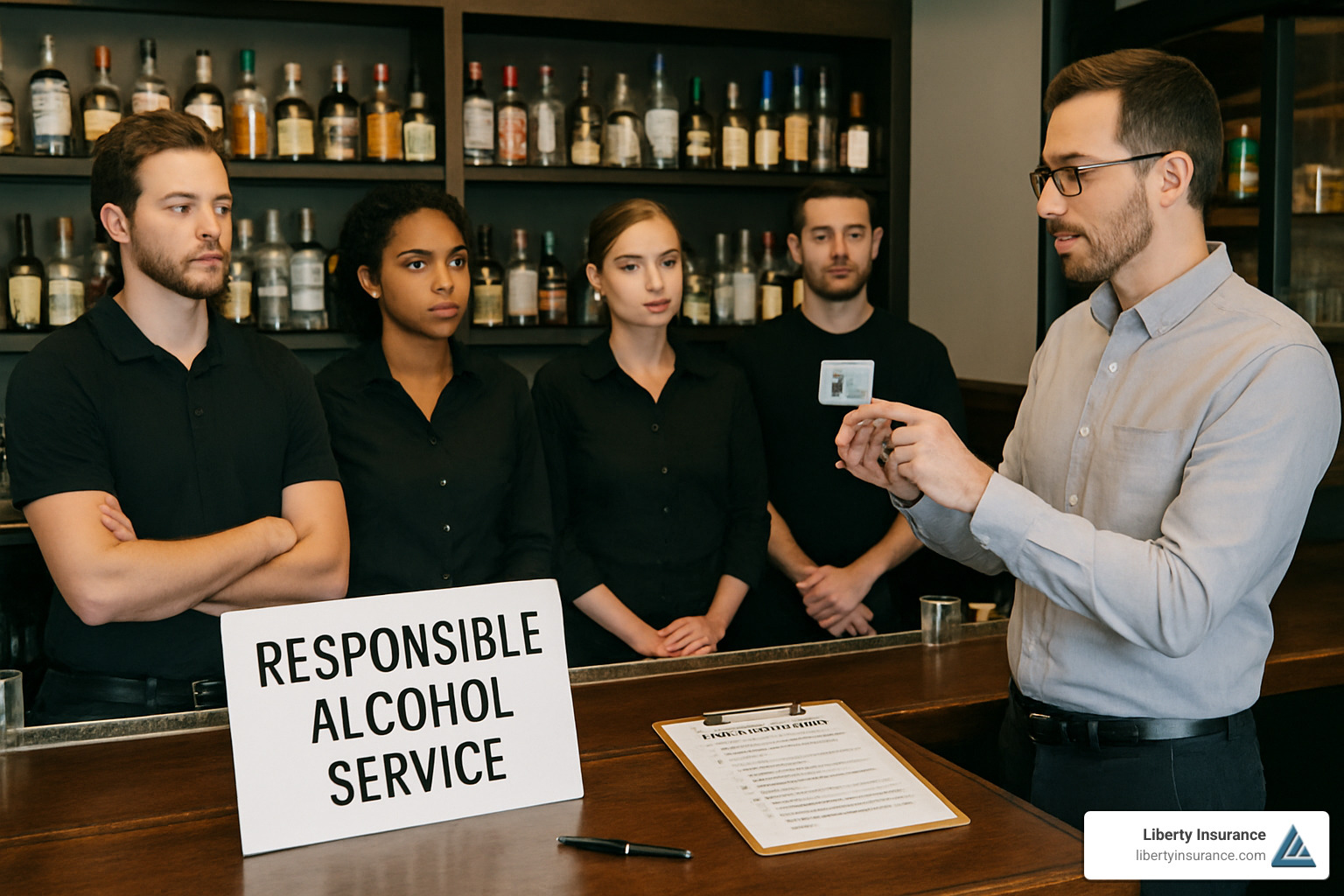
Staff training and certification is perhaps your best investment. Programs like TIPS (Training for Intervention Procedures) teach your team how to recognize signs of intoxication and intervene appropriately. Many insurers, including us, offer discounts for businesses with certified staff.
Developing a comprehensive written alcohol policy shows insurers you’re serious about responsible service. This should include procedures for checking IDs, monitoring consumption, and handling intoxicated patrons.
Smart security measures like installing cameras and hiring trained security personnel can both prevent incidents and lower your premiums, especially for higher-risk establishments.
One strategy I often recommend is establishing ride-share partnerships with taxi services or companies like Uber and Lyft. Having a system to get intoxicated patrons home safely demonstrates responsibility and reduces risk.
Emphasizing food service alongside alcohol consumption helps reduce intoxication levels and shows insurers you’re creating a more balanced environment.
You can often save by bundling policies—combining your liquor liability with other coverages like general liability or a Business Owner’s Policy (BOP) typically results in meaningful discounts.
Consider paying premiums annually rather than monthly. Many insurers offer discounts of 5-10% for upfront payment.
Accepting higher deductibles can lower your premium costs, but be sure it’s an amount you could comfortably pay if a claim occurs.
Some establishments reduce risk by limiting types of alcohol served—offering only beer and wine while avoiding hard liquor can sometimes result in lower premiums.
Finally, regular policy reviews are essential. I recommend meeting with your Liberty Insurance agent annually to review your coverage and identify new discount opportunities as your business evolves.
“We’ve seen businesses reduce their premiums by up to 15% by implementing comprehensive risk management programs,” our risk management team often points out. “These measures not only save money but also create safer environments for everyone involved.”
More info about Bartender Liability Insurance
Liquor Liability vs Host vs General Liability
Confused about which alcohol-related coverage your business needs? You’re not alone. Many business owners I’ve worked with over the years mistakenly believe their general liability policy has them covered for alcohol incidents, only to find a dangerous gap in protection when it’s too late.
The critical coverage differences explained
Think of these policies as three different umbrellas, each designed to protect you from specific types of rain:
General Liability Insurance forms the foundation of your business protection plan. It’s your everyday umbrella that shields you from common claims like customer slip-and-falls, property damage accusations, and personal injury claims. But here’s the critical part many miss: standard general liability policies specifically exclude alcohol-related incidents if you’re in the business of selling or serving alcohol.
Liquor Liability Insurance is your specialized protection designed specifically for the unique risks that come with serving alcohol. If you own a bar, restaurant, liquor store, or any business that manufactures, sells, or distributes alcohol for profit, this coverage fills that crucial gap in your general liability policy.
Host Liquor Liability Insurance covers those occasional situations where your business serves alcohol without selling it – like at your annual holiday party or customer appreciation event. The good news? This coverage typically comes included in your general liability policy at no extra cost.
“I can’t tell you how many times I’ve sat across from devastated business owners who thought they were covered,” shares our claims specialist at Liberty Insurance. “They served alcohol at their restaurant for years, had a general liability policy the whole time, but never realized it excluded alcohol-related incidents. When that $500,000 claim hit after an overserved patron caused an accident, they had no protection.”
Here’s how these coverages apply in real-world situations:
| Scenario | General Liability | Liquor Liability | Host Liquor Liability |
|---|---|---|---|
| Customer slips on wet floor | ✅ Covered | ❌ Not covered | ✅ Covered |
| Intoxicated patron injures someone | ❌ Not covered | ✅ Covered | ❌ Not covered |
| Company holiday party guest causes accident | ✅ Covered | ❌ Not covered | ✅ Covered |
| Bartender overserves customer who causes damage | ❌ Not covered | ✅ Covered | ❌ Not covered |
| Food poisoning claim | ✅ Covered | ❌ Not covered | ✅ Covered |
| Assault by intoxicated customer | ❌ Not covered | ✅ Covered* | ❌ Not covered |
*With assault and battery endorsement
FAQs about coverage differences
Can general liability be endorsed to include liquor liability?
Yes, in many cases. At Liberty Insurance, we often add liquor liability as an endorsement to existing general liability policies for businesses with moderate alcohol exposure. This approach simplifies your coverage and can save you money. However, if your business derives a significant portion of revenue from alcohol sales (like bars or nightclubs), you’ll likely need a standalone policy with higher limits.
Is host liquor liability enough for pop-up events or occasional service?
It all depends on whether money changes hands. If you’re hosting a company anniversary party where you’re serving complimentary champagne, your host liquor liability (included in your general liability policy) typically provides sufficient protection.
However, if you’re a caterer selling alcohol at a wedding, or a food truck offering beer at a festival, you need proper liquor liability coverage. In these cases, you can either:
– Purchase a temporary liquor liability policy specifically for that event
– Invest in an annual liquor liability policy if you serve alcohol at multiple events throughout the year
What are the minimum state requirements for liquor liability limits?
The requirements vary dramatically by state, which is why working with a local agent who understands your specific market is so valuable. For example:
– New Jersey has no statutory minimum, though most landlords and lenders require at least $1 million
– South Carolina mandates a $1 million minimum for businesses serving alcohol after 5 PM
– Oregon requires a $300,000 minimum
Even in states with no specific requirements, I strongly recommend at least $1 million per occurrence and $2 million aggregate for adequate protection. For high-risk establishments like nightclubs or sports bars, consider even higher limits – the extra premium is worth the peace of mind.
Can I get liquor liability insurance if I’ve had previous claims?
Yes, though it may cost more and your options might be limited. At Liberty Insurance, we work with multiple carriers specifically to find solutions for businesses with claims history. We’ve helped many bar and restaurant owners implement risk management improvements that helped offset their premium increases after claims.
Do I need liquor liability insurance in states without dram shop laws?
Absolutely, for several important reasons:
1. You can still face lawsuits under common law principles even without specific dram shop statutes
2. Many landlords and lenders require this coverage regardless of state law
3. If your business operates in multiple states, you need consistent protection everywhere
4. Your liquor license may require this coverage to obtain or maintain
What does liquor liability insurance cover that these other policies don’t? The key difference is that liquor liability specifically protects you from third-party claims resulting from the actions of intoxicated patrons you’ve served. This includes defense costs, settlements, and medical expenses – protection you simply won’t have with only general liability coverage.
More info about Host Liquor Liability Insurance Policy
Conclusion
When it comes to serving alcohol, the right insurance coverage isn’t just a good idea—it’s essential for your business’s survival. Throughout this article, we’ve explored what does liquor liability insurance covers and why it matters to your bottom line.
Think of liquor liability insurance as your financial safety net. It catches you when alcohol-related incidents threaten to pull your business into a legal and financial free fall. From the moment a patron takes their first sip to long after they’ve left your establishment, this specialized coverage has your back.
Remember those key protections we discussed? Your policy shields you from the costs of third-party injuries, property damage, and those potentially bank-breaking legal expenses. Without this coverage, one incident could force you to close your doors forever.
The optional endorsements—like assault and battery coverage—aren’t just upsells. They’re targeted protections for the real-world scenarios we see businesses face every day at Liberty Insurance. We’ve watched owners breathe sighs of relief when these “extras” saved them from financial disaster.
Those dram shop laws we mentioned? They’re not just legal jargon. They’re the reason 43 states can hold you responsible when overserved patrons cause harm. Your business needs a shield against this exposure, especially in states with strict liability standards like New Jersey.
Speaking of costs, we know budget matters. Your premium depends on several factors: your location, business type, how much alcohol you sell, and your claims history. But remember—the cost of coverage is nothing compared to the cost of going without it.
The good news? You can take steps today to both protect your business and potentially lower your premiums. Staff training, written policies, security measures—these aren’t just smart business practices. They’re investments in your business’s future that insurers notice and often reward.
Understanding the difference between general liability, liquor liability, and host liquor liability isn’t just insurance talk. It’s about making sure you’re not left exposed when you need protection most. The wrong coverage—or coverage gap—can be as damaging as having no insurance at all.
At Liberty Insurance, we’ve spent years helping businesses throughout New Jersey steer these complex waters. Our team knows the unique challenges faced by alcohol-serving establishments in Millstone Township, Trenton, Toms River, New Brunswick, and Princeton. We’re not just selling policies—we’re providing peace of mind.
Our customizable liquor liability coverage adapts to your specific situation. Whether you need flexible limits, specialized endorsements, or bundle discounts, we’ll design protection that fits your business like a glove. And our risk management resources help you prevent claims before they happen.
Don’t wait for a wake-up call in the form of a lawsuit. Contact Liberty Insurance today for a thorough review of your alcohol liability risks. Let us help you identify gaps and build a safety net that protects everything you’ve worked so hard to create.
With the right coverage in place, you can pour with confidence, knowing your business is protected against whatever comes your way. After all, the best time to get liquor liability insurance is before you need it.

